Scalloped Corn with Cheddar and Chives
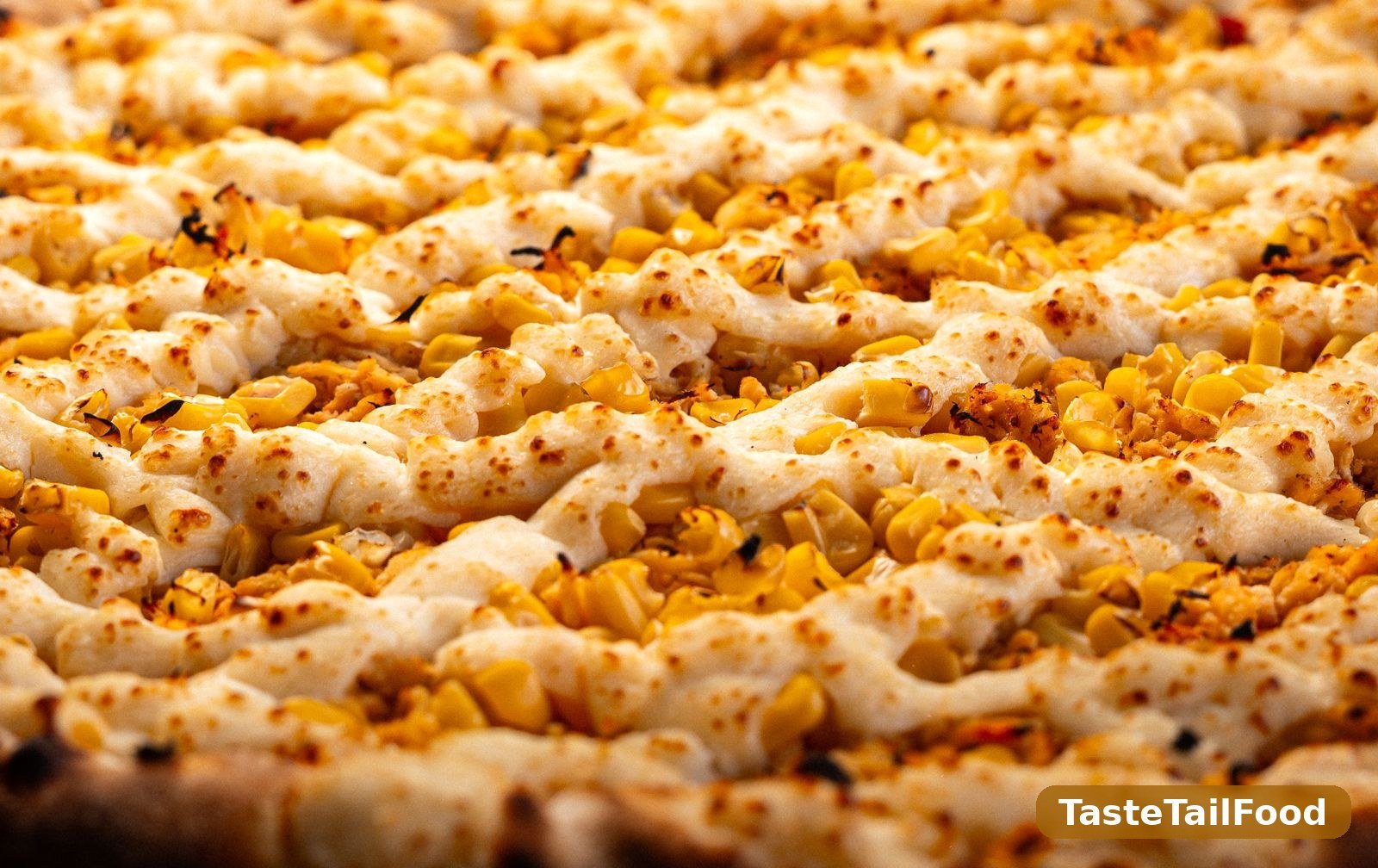
Scalloped corn is one of those old-fashioned side dishes that never really goes out of style, even though it rarely gets the attention it deserves. It is not flashy, it is not fashionable, and it will never be the prettiest thing on the table. But put a spoonful of it on a plate, hot and golden from the oven, and people will understand immediately why it has been served at family dinners and holiday tables for generations. Sweet corn, baked in a creamy, cheesy custard until it is bubbling and golden on top, with fresh chives scattered through it for a gentle onion flavour — it is comfort food in its purest form.
The first time I made scalloped corn, it was for a Thanksgiving-style dinner, and I was honestly a little sceptical. Corn in a casserole? It sounded like something from a church cookbook, the kind of recipe that gets passed around on index cards and made the same way for fifty years. But the moment I took it out of the oven — golden on top, creamy underneath, smelling of butter and cheese and sweet corn — I understood. It is the kind of dish that makes a meal feel like a gathering, even if it is just a Tuesday. It is rich without being heavy, sweet without being sugary, and it goes with almost any roast or grilled meat you can think of.
What makes scalloped corn special is the way the corn itself behaves in the oven. Fresh or frozen corn kernels stay sweet and a little bit firm, so the casserole has texture rather than just softness. The creamy custard — eggs, milk, and a little flour — sets around the corn like a soft, savoury pudding, holding everything together without making it stodgy. The Cheddar melts into the custard and turns golden and bubbling on top, adding a sharp, savoury depth that balances the sweetness of the corn. And the chives, stirred through at the end, add a fresh, gentle onion flavour that keeps the whole dish from feeling too rich. It is a simple combination, but it works beautifully.
This is also a wonderfully practical dish. It comes together in one bowl in fifteen minutes, it bakes in the oven while you get on with the rest of dinner, and it feeds a crowd without any extra effort. You can make it ahead, you can double it for a potluck, and it reheats well the next day. If you have a bag of frozen corn in the freezer and some cheese in the fridge, you are already most of the way there. It is the kind of recipe that earns its place in the regular rotation not because it is exciting, but because it is reliable, comforting, and loved by everyone at the table.
Why You’ll Love This Recipe
First of all, it is genuinely easy. There is no special technique here, no blind baking, no sauce to make separately. You mix everything together in one bowl, pour it into a baking dish, and put it in the oven. That is the whole job. From start to finish, you are looking at about fifteen minutes of actual work, and the rest is just waiting while the oven does something wonderful. On busy evenings, or on holidays when the kitchen is already full, that kind of simplicity is worth its weight in gold.
The flavour is another reason this dish earns its place in the regular rotation. Sweet corn is naturally delicious, and baking it in a creamy custard with sharp Cheddar brings out the best in it. The cheese adds salt and savouriness, the cream and eggs make it rich and soft, and the chives add a fresh, gentle onion flavour that lifts the whole dish. It is the kind of flavour that makes people go back for a second spoonful before they have finished the first. If you like creamy, cheesy side dishes, you will also enjoy serving this beside these honey mustard baked chicken drumsticks, where the sweet, sticky chicken and the creamy corn make a wonderful pair.
It is also wonderfully flexible. You can make it with fresh corn cut from the cob in summer, or with frozen corn all year round — both work beautifully. You can swap the Cheddar for a different cheese, add a little bacon or ham for a heartier dish, or stir in some diced peppers for colour. It scales up easily for a crowd, and it holds well in a warm oven while everyone finds their seat. I have doubled it for family gatherings and it has always worked, which is more than I can say for some of the fussier dishes I have attempted over the years.
Finally, this is a recipe that works for everyone at the table. It is naturally vegetarian, it is gentle enough for children — most kids will eat corn happily, especially when it is creamy and cheesy — and it is filling enough to serve as a main course for a light lunch with a salad on the side. It looks beautiful in the baking dish, all golden and bubbling, and it is the kind of dish that makes a dinner table feel generous and welcoming. A simple, reliable, delicious side dish is a rare thing, and scalloped corn is exactly that.
Ingredients You’ll Need
- 600 g (about 4 cups) frozen sweetcorn, thawed, or fresh corn kernels from 4-5 cobs
- 2 tablespoons unsalted butter, melted, plus extra for greasing the dish
- 3 large eggs
- 250 ml (1 cup) whole milk
- 125 ml (1/2 cup) double cream (heavy cream)
- 3 tablespoons plain flour
- 1 teaspoon sugar
- 1 teaspoon fine sea salt, or to taste
- 1/2 teaspoon black pepper, freshly ground
- 1/4 teaspoon smoked paprika
- 1/4 teaspoon ground nutmeg (optional)
- 150 g (1 1/2 cups) sharp Cheddar cheese, grated, divided
- 3 tablespoons fresh chives, finely chopped, plus extra to serve
- 2 tablespoons breadcrumbs, for topping (optional)
- 1 tablespoon butter, cut into small pieces, for topping (optional)
How to Make Scalloped Corn with Cheddar and Chives
Start by getting the oven properly hot, because a hot oven is what gives you that golden, bubbling top. Set it to 180°C (350°F) and let it come fully up to temperature while you prepare the corn. Butter a medium baking dish — a 23 cm (9 inch) square dish, or a similar-sized oval dish, works well — and set it aside. If you are using frozen corn, make sure it is thawed and well drained, because excess water will make the casserole thin and watery. Tip the corn into a colander, let it drain for a few minutes, and pat it dry with a clean tea towel or paper towels. If you are using fresh corn, cut the kernels from the cobs with a sharp knife, holding each cob upright in a large bowl so the kernels fall into the bowl rather than all over the counter.
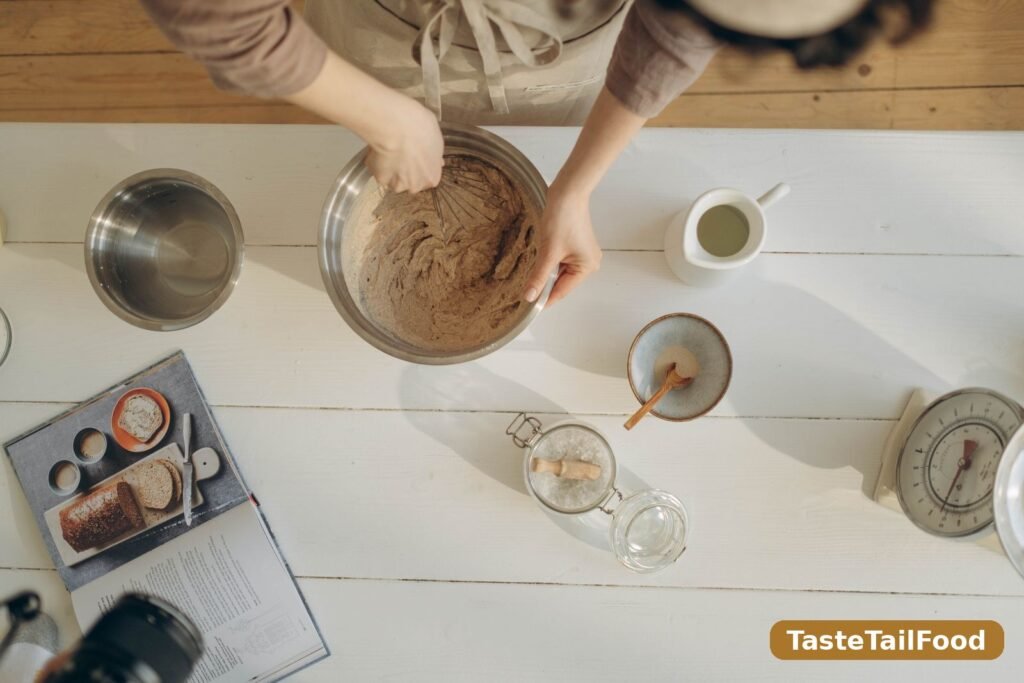
Now make the custard, which is where the creamy texture comes from. In a large bowl, whisk the eggs together until they are well beaten, then whisk in the milk, cream, melted butter, flour, sugar, salt, pepper, smoked paprika, and nutmeg if you are using it. Whisk until the mixture is smooth and there are no lumps of flour left — a few seconds of vigorous whisking is all it takes. Stir in the corn kernels, most of the grated Cheddar (save about a third for the top), and the chopped chives. Mix everything together until the corn is evenly coated in the custard and the cheese is distributed through the mixture. Pour it all into the prepared baking dish, spread it out evenly, and sprinkle the reserved Cheddar over the top. If you like a crunchy topping, scatter the breadcrumbs over the cheese and dot with the small pieces of butter.
Bake the casserole in the middle of the oven for forty to forty-five minutes, until the top is golden brown and bubbling, and the centre is set. You can check it by gently shaking the dish — the centre should wobble only slightly, not slosh around like liquid — or by inserting a knife into the centre and seeing if it comes out mostly clean. If the top is browning too fast before the centre is set, lay a loose sheet of foil over the top for the last ten minutes. When it is done, take the dish out of the oven and let it rest for ten minutes before serving. This resting time matters — it lets the custard finish setting, so the casserole slices cleanly instead of running across the plate. Scatter the extra chopped chives over the top and serve it hot, straight from the dish. For a simpler corn side, BBC Good Food’s creamed corn is a good reference for the same sweet, creamy flavour in a quicker stovetop form, while sweetcorn itself has a long history as a staple crop, as described on the Wikipedia page for sweet corn.
Tips for Perfect Scalloped Corn
The single biggest tip is to drain the corn properly before you mix it in. Whether you are using frozen corn or fresh corn, excess water is the enemy of a good scalloped corn — it thins the custard, makes the casserole watery, and stops it setting properly. Thaw frozen corn completely, drain it well, and pat it dry. If you are using fresh corn, the kernels will not have much water, but it is still worth giving them a quick pat with a tea towel. A dry corn mixture makes a rich, creamy casserole; a wet one makes a soggy one.
Use a good sharp Cheddar, and grate it yourself if you can. Pre-grated cheese from a bag often contains anti-caking agents that stop it melting smoothly, and it will never taste as good as a block of cheese you grated yourself. A sharp, mature Cheddar gives the casserole a proper cheesy flavour that stands up to the sweetness of the corn — a mild Cheddar will disappear into the custard and you will wonder where the cheese went. Save a good handful of cheese for the top, because that golden, bubbling layer is half the pleasure of the dish.
Do not overbake it. Scalloped corn should be set but still soft and creamy in the middle, not dry and firm like a quiche. Start checking it at forty minutes, and take it out as soon as the centre is just set — it will continue to firm up as it rests for ten minutes on the counter. If you leave it in the oven too long, the eggs will overcook, the custard will turn rubbery, and the corn will lose its sweetness. A gentle shake of the dish is the best test: a slight wobble in the centre is perfect, because it will set as it cools.
Finally, let it rest before serving. I know it is tempting to spoon straight into the dish the moment it comes out of the oven, especially when the kitchen smells this good, but ten minutes of resting makes a real difference. The custard finishes setting, the flavours settle, and the casserole holds its shape when you serve it. Use the time to finish the main course or set the table. And add the extra chives only at the very end, so they stay bright green and fresh rather than wilting in the heat.
Variations to Try
Once you have the basic recipe down, it is easy to make it your own. For a heartier version, stir in a handful of cooked, crumbled bacon or some diced ham before baking. The salty, smoky meat works beautifully against the sweet corn and creamy custard, and it turns the side dish into something substantial enough to serve as a light main course. For a spicier version, add a diced jalapeño or a pinch of cayenne pepper to the custard — the heat is gentle, and it balances the sweetness of the corn nicely.
For a more colourful version, stir in a handful of diced red pepper or some chopped spring onions along with the corn. The peppers add sweetness and colour, and they roast gently in the oven as the casserole bakes. You can also change the cheese — a mixture of Cheddar and Gruyère is wonderful, with the Gruyère adding a nutty depth, and a little Parmesan on top gives an extra golden, savoury crust. For a lighter version, use all milk instead of milk and cream, and reduce the cheese a little — the casserole will be less rich, but still creamy and satisfying.
You can also make individual portions by dividing the mixture between small ramekins or a muffin tin. They bake faster, in about twenty-five minutes, and they look beautiful served one per person. It is a lovely way to serve scalloped corn at a dinner party, where everyone gets their own golden-topped portion. And if you like this style of comforting baked side, the corn is at its best beside a roast, though a quick stir-fry like this easy chicken stir-fry without soy sauce also works, with the creamy corn balancing the savoury chicken. On a cold evening, it is also lovely served as a side with a bowl of this simple chicken soup with pantry ingredients, which makes a filling, comforting supper.
Serving Ideas
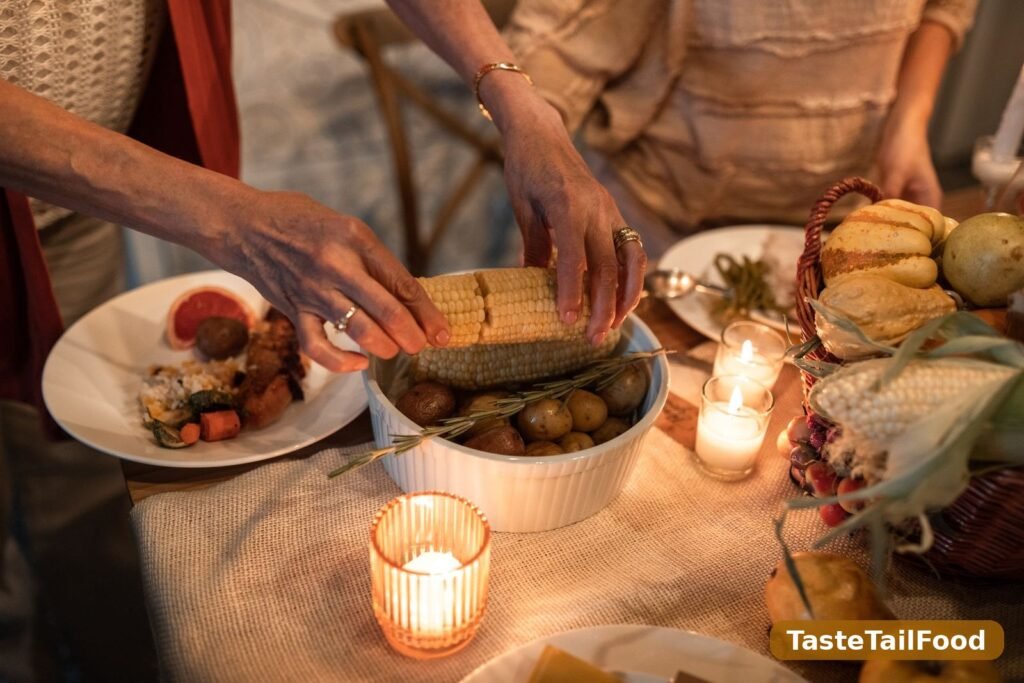
The classic way to serve scalloped corn is beside a roast. Roast chicken, baked ham, turkey, or pork loin all work beautifully, because the sweet, creamy corn complements rich meats without overwhelming them. Serve it in the baking dish at the centre of the table, with a large spoon, and let people help themselves. It looks generous and inviting, and it is the kind of dish that makes a holiday dinner feel like a proper gathering rather than just another meal.
It is just as good at a potluck or a buffet. Scalloped corn travels well, holds its heat for a long time, and serves easily from the dish, which makes it a popular choice for gatherings. Double the recipe and bake it in a large dish, and you will have enough for a crowd. It is also lovely as part of a spread of side dishes — a few salads, some roasted vegetables, a bowl of grains — where everyone helps themselves to a little of everything.
For a lighter meal, serve a smaller portion of scalloped corn with a big green salad and some good bread, and you have a satisfying vegetarian lunch. The corn is filling enough to be the main event, especially with the cheese and eggs, and the salad adds freshness and crunch. It is also a wonderful dish for children, who tend to love corn in any form, especially when it is creamy and cheesy. And for dessert after a rich, comforting meal like this, nothing beats a batch of these classic chocolate chip cookies, warm from the oven with a glass of milk.
Storage and Reheating
Leftover scalloped corn keeps well in the fridge for three to four days in an airtight container, or covered tightly in the baking dish. The texture will firm up as it cools, but it reheats nicely. To reheat, cover the dish with foil and warm it in a 180°C (350°F) oven for fifteen to twenty minutes, until heated through. Remove the foil for the last five minutes if you want the top to crisp up again. The microwave works too — heat individual portions in short bursts, stirring between each one, so the corn warms evenly without overcooking.
For longer storage, scalloped corn freezes reasonably well, though the texture will be a little softer after thawing. Let it cool completely, then wrap the dish tightly in cling film and foil, or transfer individual portions to freezer containers. It will keep for up to two months. Thaw overnight in the fridge before reheating in the oven. Do not refreeze corn once it has been thawed. Leftover scalloped corn is also good the next day stirred into a soup, or served cold in a lunchbox — it holds its shape well, and the flavour is still lovely.
Frequently Asked Questions
Can I use fresh corn instead of frozen corn?
Yes, and fresh corn is wonderful in summer when it is in season. Cut the kernels from four or five cobs — you need about four cups — and use them exactly the same way as frozen corn. Fresh corn kernels are a little firmer and sweeter than frozen ones, and they hold their texture beautifully in the oven. There is no need to cook them first; they will cook through in the casserole as it bakes.
Can I make scalloped corn ahead of time?
Yes, it is a great make-ahead dish. Assemble the casserole up to a day in advance, cover it tightly, and keep it in the fridge. Take it out of the fridge thirty minutes before baking so it is not ice cold, and add five to ten minutes to the baking time. You can also bake it ahead and reheat it in the oven, covered with foil, for fifteen to twenty minutes before serving. Either way, it is a good dish for holidays, when the oven is busy and you want one less thing to think about.
Why is my scalloped corn watery?
Watery scalloped corn is almost always caused by excess water in the corn, or by underbaking. Make sure frozen corn is fully thawed and well drained, and pat it dry before mixing it in. Bake the casserole until the centre is set — it should wobble only slightly when you shake the dish, not slosh around. And let it rest for ten minutes after baking, so the custard can finish setting. If it is still watery, try reducing the milk a little next time, or adding an extra tablespoon of flour.
Can I make this recipe gluten-free?
Yes, easily. Replace the plain flour with a gluten-free flour blend, or with a tablespoon of cornflour (cornstarch) mixed with a little cold milk. The flour is only there to help the custard set, so a small amount of a gluten-free alternative works just as well. Check that your breadcrumbs, if you use them for the topping, are gluten-free, or leave them out entirely — the cheese topping is golden and delicious on its own.
What cheese works best in scalloped corn?
A sharp, mature Cheddar is the classic choice, because its flavour stands up to the sweetness of the corn. Gruyère, Monterey Jack, or a mixture of Cheddar and Parmesan also work well. Avoid very soft cheeses, which can make the casserole greasy, and avoid pre-grated cheese if you can, because it does not melt as smoothly as cheese you grate yourself. Use a cheese you enjoy eating on its own, and the casserole will taste all the better for it.
Is scalloped corn the same as corn pudding?
They are very similar, and the names are often used interchangeably. Scalloped corn is usually made with whole corn kernels in a creamy custard, baked until set, while corn pudding is often made with creamed corn and can be softer and more spoonable. This recipe sits somewhere in between — it has whole kernels for texture, and a creamy custard that sets firmly enough to slice, but is still soft and spoonable when hot. Whatever you call it, it is delicious.