Roasted Fennel with Parmesan and Lemon
Fennel is one of those vegetables that people either love or have never really tried. I was firmly in the second group for a long time. I would walk past it in the market, admire its pale green bulb and feathery fronds, and then walk on, unsure what to do with it. Raw fennel, thinly sliced in a salad, is crisp and bright, with a gentle aniseed flavour that some people love and others find surprising. But roasted fennel is a different thing entirely. In a hot oven, fennel softens, sweetens, and turns golden at the edges, and that aniseed flavour mellows into something warm and almost honeyed. Add Parmesan and lemon, and it becomes a side dish that people genuinely ask about.
The first time I roasted fennel properly was almost an accident. I had two bulbs left over from a salad, a hot oven already on for a chicken, and no plan at all. I cut the fennel into wedges, tossed it with olive oil, salt, and pepper, and slid it into the oven to see what would happen. Forty minutes later, I pulled out a tray of caramelised, golden wedges that smelled sweet and savoury at the same time, and I ate most of them standing at the counter before dinner was even served. That is the moment fennel became a regular in my kitchen, and this version, with Parmesan and lemon, is the one I make most often.
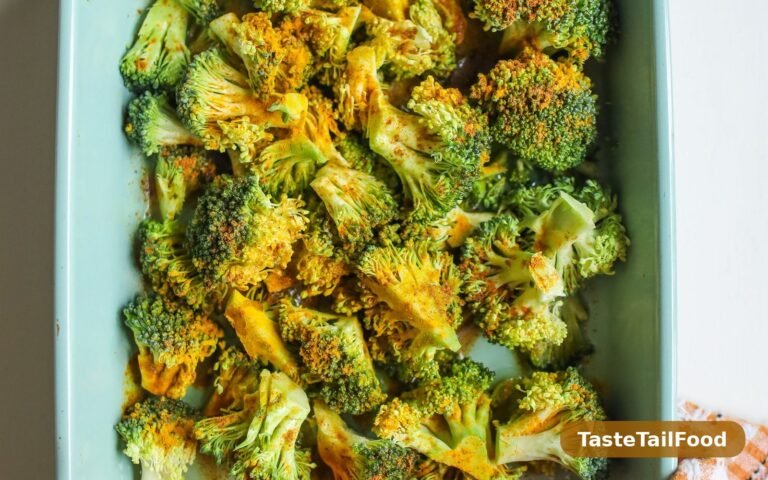
What makes this dish work so well is the balance. The fennel itself becomes sweet and tender in the oven, almost melting in the middle while the edges crisp and caramelise. The Parmesan melts over the top and turns golden and savoury, adding a salty richness that the fennel needs. And the lemon, added at the end, cuts through all of it with a bright sharpness that keeps the dish from feeling heavy. It is the same trio of flavours that makes this roasted broccoli with Parmesan and lemon so popular — salty cheese, bright citrus, and a vegetable that goes sweet and golden in a hot oven — and it works just as beautifully with fennel.
This is also a wonderfully easy dish to make. There is no peeling, no blanching, and no complicated preparation. You trim the bulb, cut it into wedges, toss it with oil and seasoning, and let the oven do the work. It is elegant enough for a dinner party, simple enough for a weeknight, and it goes with almost any main course you can think of, from roast chicken to grilled fish to a simple pasta. If you have been unsure about fennel, this is the recipe that will change your mind.
Why You’ll Love This Recipe
First of all, it is genuinely easy, and the oven does almost all of the work. Ten minutes of preparation, a tray in the oven, and forty minutes later you have a side dish that looks and tastes like you put real thought into it. There is no standing over the stove, no stirring, and no last-minute rush. You can put the fennel in the oven while the main course cooks, and it will be ready at exactly the right time. That kind of hands-off cooking is a gift on busy evenings, and it is one of the reasons I reach for this recipe so often.
The flavour is another reason this dish earns its place in the regular rotation. Raw fennel can taste strongly of aniseed, which puts some people off, but roasting changes it completely. The heat softens the flavour, brings out the fennel’s natural sweetness, and gives it a caramelised depth that is almost like roasted onion. The Parmesan adds salt and savouriness, the lemon adds brightness, and together they turn a vegetable many people overlook into something genuinely delicious. If you have ever thought you did not like fennel, you may simply never have had it roasted.
It is also remarkably versatile. You can serve it hot from the oven as a side dish, or let it cool and toss it into a salad with rocket, orange segments, and a little extra Parmesan. You can add other vegetables to the same tray — carrots, red onions, or chunks of butternut squash all roast at the same temperature and in the same time. And you can change the seasoning to suit the meal: a little chilli for warmth, some fresh thyme for an earthy note, or a drizzle of honey for extra caramelisation. For another vegetable side that roasts just as easily, try these air fryer crispy cauliflower bites, which use the same idea of high heat and a salty, golden finish.
Finally, this is a recipe that makes a dinner table look good. The fennel wedges hold their shape beautifully as they roast, the edges turn a deep golden brown, and the melted Parmesan and flecks of lemon zest make the dish look like something from a restaurant. Serve it on a platter with a few fennel fronds scattered over the top, and it will be the first thing people reach for. A vegetable side that looks this good and tastes this good is a rare thing, and it is worth having in your repertoire.
Ingredients You’ll Need
- 3 large fennel bulbs (about 900 g / 2 lbs)
- 3 tablespoons extra virgin olive oil
- 1 teaspoon fine sea salt, or to taste
- 1/2 teaspoon black pepper, freshly ground
- 1/2 teaspoon garlic powder (optional)
- 1 teaspoon fresh thyme leaves (optional)
- 1/2 cup (50 g) freshly grated Parmesan cheese
- Zest of 1 lemon
- 1 tablespoon fresh lemon juice
- 2 tablespoons chopped fennel fronds, reserved from the bulbs
- 1 tablespoon chopped flat-leaf parsley, to serve (optional)
- Lemon wedges, to serve
How to Make Roasted Fennel with Parmesan and Lemon
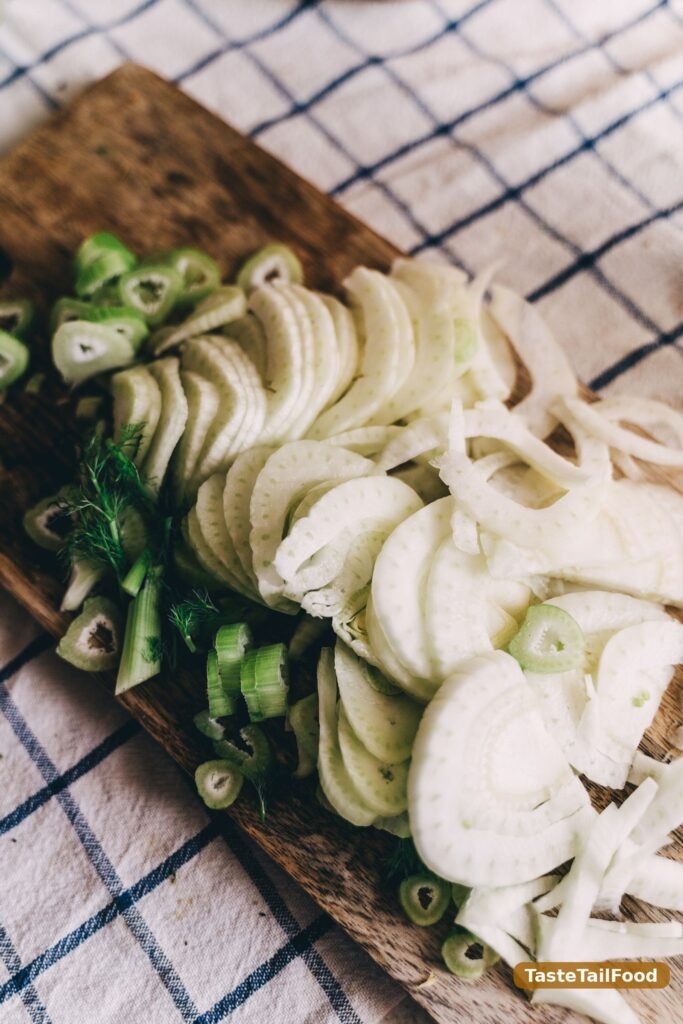
Start by preparing the fennel, and take a moment to do it properly, because how you cut the fennel decides how it cooks. Trim off the stalks, but save the feathery fronds — you will chop a few of them for serving at the end, and they add a lovely fresh flavour and a pretty garnish. Trim a thin slice off the root end, but leave the core intact, because the core is what holds each wedge together in the oven. Peel away any tough or bruised outer layers, then cut each bulb in half from top to bottom, and cut each half into three or four wedges, depending on the size of the bulb. You want wedges that are about two to three centimetres thick at their widest point — thick enough to stay tender and juicy inside, but thin enough to cook through and caramelise at the edges. If the wedges are too thick, the outside will brown before the inside softens; too thin, and they will dry out and burn.
Heat the oven to 200°C (400°F) and line a large baking tray with parchment paper. Put the fennel wedges in a large bowl and drizzle over the olive oil, then sprinkle with the salt, pepper, garlic powder if you are using it, and the thyme leaves. Toss everything together with your hands, making sure every wedge is coated in oil and seasoning, including the cut surfaces, which are the parts that will caramelise. Spread the wedges out on the prepared tray in a single layer, cut-side down, with a little space between each one. Crowding the tray is the enemy of roasting — if the wedges are piled on top of each other, they will steam instead of roast, and you will get soft, pale fennel instead of golden, caramelised wedges. Use two trays if you need to; it is always worth it.
Roast the fennel for twenty minutes, then take the tray out and turn each wedge over carefully with a spatula or tongs. The undersides should be starting to turn golden and caramelised. Return the tray to the oven and roast for another ten minutes, until the fennel is tender when you pierce it with a knife and deeply golden at the edges. Now sprinkle the grated Parmesan evenly over the wedges and return the tray to the oven for five more minutes, until the cheese has melted and turned golden brown in places. Take the tray out, squeeze over the lemon juice, scatter the lemon zest and the chopped fennel fronds over the top, and serve immediately. A similar classic version of this dish is Giada De Laurentiis’s roasted fennel with Parmesan, which roasts the fennel in a baking dish and finishes it in the same way.
Tips for Perfect Roasted Fennel
The single most important tip is to cut the fennel into even wedges and give them space on the tray. Uneven wedges cook unevenly — the thin ones burn while the thick ones are still raw in the middle — and a crowded tray steams instead of roasting. Take a moment to cut the wedges as evenly as you can, and spread them out so hot air can circulate around each one. If you are doubling the recipe, use two trays on two oven shelves, and swap them halfway through so they brown evenly.
Use a hot oven, and do not be afraid of the colour. Fennel needs real heat to caramelise properly, and 200°C (400°F) is the right temperature. The wedges should come out of the oven deeply golden at the edges, with dark brown caramelised spots on the cut surfaces — that colour is flavour, not burning. If your fennel comes out pale, your oven may be running cool, or the wedges may have been too crowded. An oven thermometer is a small investment that pays off across every roast you ever make, and it will tell you the truth about your oven in a way the dial never will.
Add the Parmesan at the end, not at the beginning. If you add the cheese too early, it will burn before the fennel is tender, and burnt Parmesan tastes bitter. Sprinkling it over the wedges for the last five minutes is enough for it to melt, crisp, and turn golden without burning. Use freshly grated Parmesan rather than the pre-grated kind from a bag — the fresh cheese melts more smoothly and tastes far better, and the pre-grated kind often contains anti-caking agents that stop it melting properly. And add the lemon juice and zest after the fennel comes out of the oven, so the bright citrus flavour stays fresh and lively rather than cooking off in the heat.
Finally, save the fronds. Those feathery green tops are not waste — they are one of the best parts of the fennel, with a gentle aniseed flavour that is perfect as a garnish. Chop a few tablespoons of them and scatter them over the finished dish, or use them in a salad, a soup, or a pasta sauce. They wilt quickly, so add them at the very end. If you want more ideas for cooking fennel this way, the Sugar Maple Farmhouse roasted fennel wedges recipe is a good reference for a simple, wedge-style method with shaved Parmesan.
Variations to Try
Once you have the basic recipe down, there is plenty of room to play. For a Mediterranean version, add a handful of cherry tomatoes and a few pitted olives to the tray for the last fifteen minutes of roasting. The tomatoes soften and release their juices, the olives add saltiness, and the whole tray takes on a sunny, southern European character that is lovely with grilled fish or a simple pasta. A drizzle of balsamic vinegar over the finished dish adds a sweet sharpness that works beautifully with the fennel.
For a richer version, add a few tablespoons of breadcrumbs to the tray along with the Parmesan for the last five minutes. The crumbs toast in the oven and give the fennel a crunchy topping that is wonderfully satisfying. You can also add a pinch of chilli flakes to the seasoning for warmth, or a drizzle of honey over the wedges before they go into the oven for extra caramelisation — the honey helps the edges brown and adds a gentle sweetness that suits the fennel perfectly. A little orange zest alongside the lemon gives the dish a warmer, more fragrant citrus note that is lovely in winter.
You can also change the cheese. Pecorino Romano is saltier and sharper than Parmesan and works beautifully here, and a crumbling of goat cheese over the hot fennel just before serving melts slightly and adds a creamy tang. For a heartier dish, roast the fennel with chunks of potato and red onion on the same tray, and serve the whole thing as a main course with a fried egg on top. It is a simple, satisfying meal that needs nothing else. And if you like this style of roasted vegetable, a creamy main like this creamy Tuscan chicken skillet pairs beautifully with the bright, fresh fennel on the side.
Serving Ideas
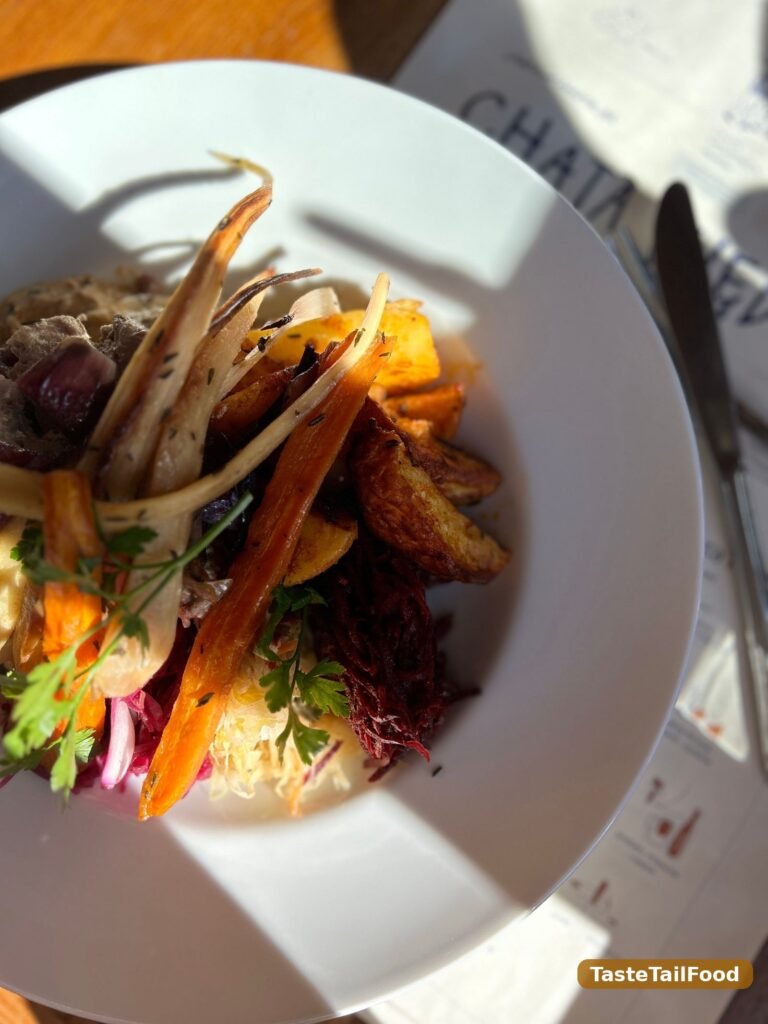
The classic way to serve roasted fennel is beside a roast. Roast chicken, pork loin, or lamb all work beautifully, because the sweet, caramelised fennel and the sharp lemon cut through the richness of the meat. Serve it on a platter at the centre of the table, scattered with fennel fronds and lemon wedges, and let people help themselves. It looks generous and inviting, and it is the kind of dish that makes a Sunday roast feel like a proper occasion rather than just another dinner.
It is just as good with fish. Grilled salmon, baked sea bass, or pan-fried cod all benefit from a bright, fresh vegetable side, and the aniseed flavour of the fennel pairs naturally with seafood — it is a combination that has been used in Mediterranean cooking for centuries. For a simple weeknight dinner, serve the fennel with pasta — a lemon and garlic spaghetti, or a tomato pasta where the fennel adds sweetness and colour. It also works beautifully in a grain bowl, spooned over warm couscous or farro with a little extra lemon and olive oil.
For a lighter meal, serve the fennel on its own with some good bread and a soft cheese, or as part of a spread of roasted vegetables — a few trays of different vegetables, a bowl of grains, and a simple dressing, where everyone helps themselves. It is also lovely at room temperature, tossed into a salad with rocket, orange segments, and shaved Parmesan, which makes it a good dish for a buffet or a picnic. For a simple two-person dinner, pair it with this easy one-pan chicken dinner for two, and you have a meal that feels special without any extra effort.
Storage and Reheating
Leftover roasted fennel keeps well in the fridge for three to four days in an airtight container. The texture will soften a little, but the flavour is still good, and it reheats nicely. To reheat, spread the wedges on a baking tray and warm them in a 180°C (350°F) oven for ten minutes, until heated through and crisp at the edges again. The oven is much better than the microwave for this — the microwave will make the fennel soft and the Parmesan soggy, while the oven brings back some of the crispness. Add a fresh squeeze of lemon and a little extra Parmesan after reheating to brighten it up.
Do not freeze roasted fennel if you can avoid it. The texture suffers badly in the freezer, and the wedges come out soft and watery when thawed. It is much better to roast fennel fresh, which only takes ten minutes of preparation anyway. If you do have leftovers, stir them into a soup, a pasta sauce, or a frittata the next day — the fennel holds up well in those dishes, and the roasted flavour adds a lovely depth. Chopped leftover fennel is also good folded into a grain salad with some chickpeas, lemon, and herbs for a quick lunch.
Frequently Asked Questions
I have never cooked fennel before. What does it taste like?
Raw fennel tastes crisp and fresh, with a gentle aniseed or liquorice flavour that is similar to, but milder than, star anise. When you roast it, that aniseed flavour mellows considerably, and the fennel becomes sweet, tender, and almost honeyed, with a flavour closer to roasted onion. If you are nervous about the aniseed taste, roasting is the best way to try fennel for the first time, because the flavour is much softer and sweeter than it is raw.
Can I use the fennel stalks and fronds?
Yes, do not throw them away. The feathery fronds are wonderful chopped and scattered over the finished dish, or stirred into salads, soups, and pasta sauces. The stalks are tougher, but they are good chopped and added to a soup or a stock, where they add a gentle aniseed flavour. The bulb is the main part you roast, but the fronds are one of the best garnishes in the kitchen, and they are free with every bulb you buy.
How do I choose a good fennel bulb?
Look for a bulb that is firm, heavy for its size, and white or very pale green, with no brown spots or soft patches. The fronds should be bright green and fresh, not wilted or yellowing. Avoid bulbs that feel light or spongy, or that have started to split or dry out. Smaller bulbs tend to be more tender and sweeter than very large ones, so choose medium-sized bulbs when you can.
Can I make roasted fennel ahead of time?
You can roast the fennel up to a day ahead and keep it in the fridge, then reheat it in a hot oven for ten minutes before serving. Add the Parmesan during reheating, and the lemon juice and zest only at the very end, so they stay fresh. The fennel will not be quite as crisp as when it is freshly roasted, but the flavour will still be good. For the best result, roast it fresh — the preparation is quick, and the oven does most of the work.
What if I do not like Parmesan?
You can leave the Parmesan out entirely and the fennel will still be delicious, especially with a little extra salt and lemon. Or try a different cheese — Pecorino Romano is saltier and sharper, goat cheese adds a creamy tang, and a hard aged Cheddar will melt and crisp in a similar way. Use the same amount and add it in the last five minutes of cooking, so it melts without burning.
What main dishes go best with roasted fennel?
Roasted fennel goes with almost any roast — chicken, pork, or lamb — and it is particularly good with fish, where its gentle aniseed flavour is a classic pairing. It also works with pasta, grain bowls, and vegetarian mains like a mushroom risotto or a baked cheese dish. The lemon and Parmesan make it bright and savoury enough to sit beside rich foods without being overwhelmed, and sweet enough to balance them.