Easy Chicken Stir Fry Without Soy Sauce
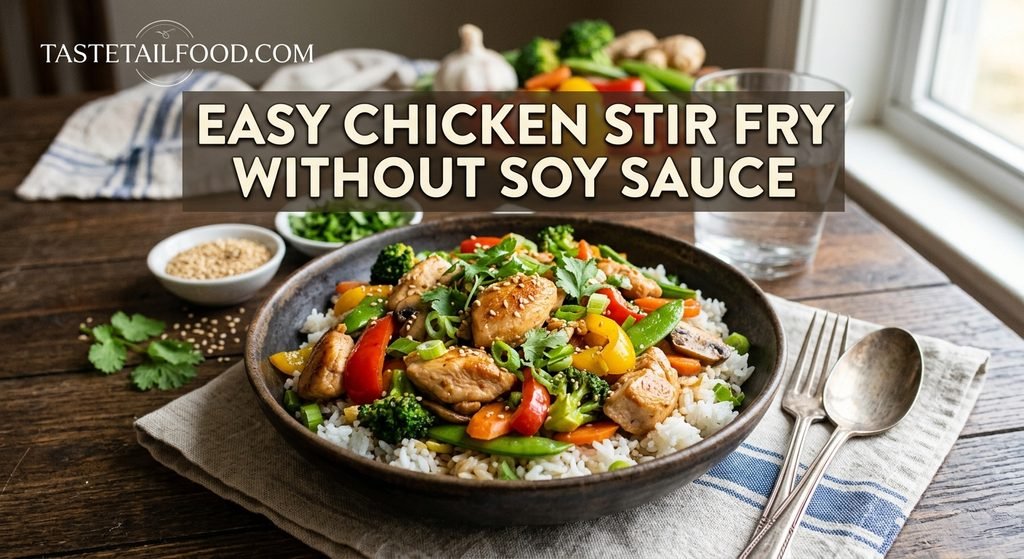
When you want a quick homemade dinner, chicken stir fry is one of those recipes that almost always comes to the rescue. It is fast, flexible, filling, and doesn’t require a long list of complicated ingredients. But what if you don’t have soy sauce, don’t like its flavor, or simply want to make dinner a little differently?
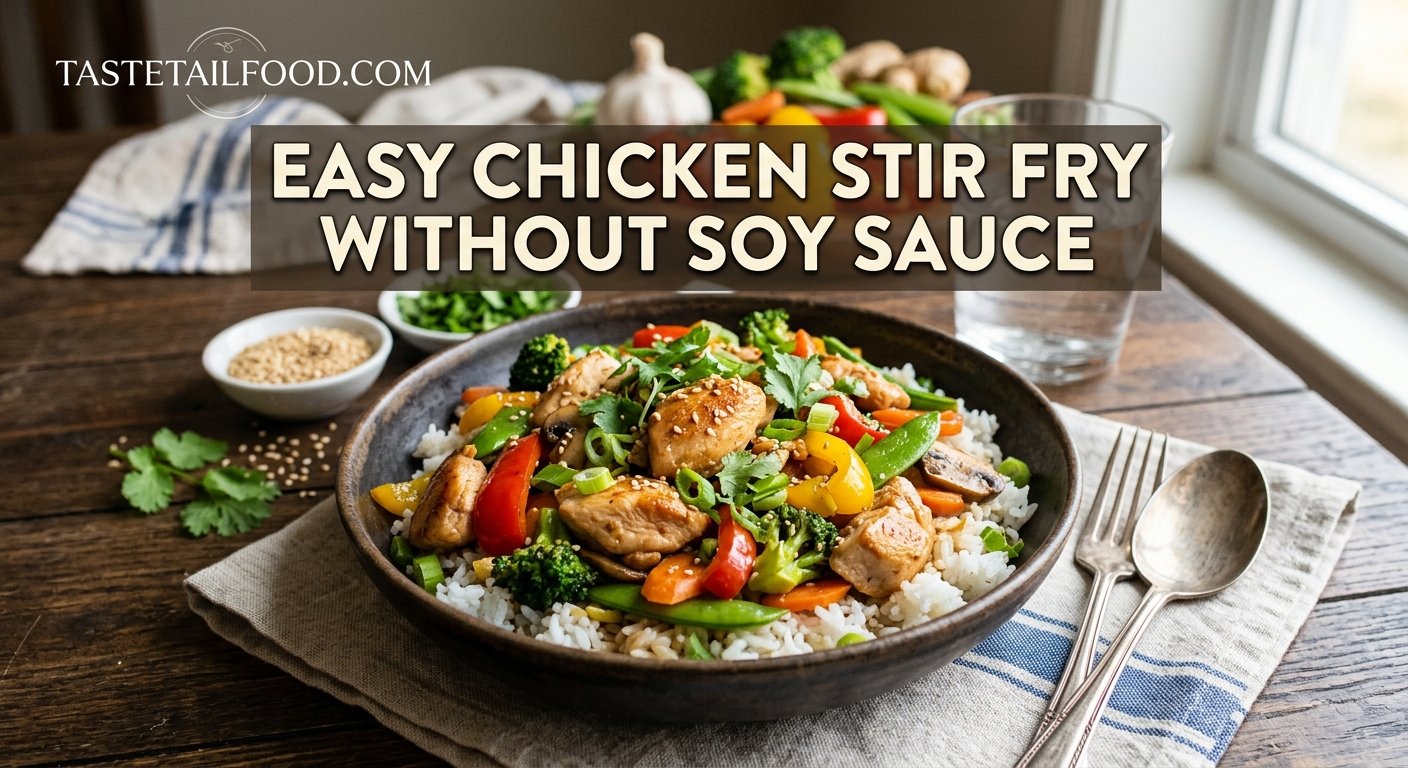
This easy chicken stir fry without soy sauce is a simple answer. You can make tender pieces of chicken with colorful vegetables and a flavorful homemade sauce using everyday pantry ingredients. There is no need for soy sauce, special stir-fry seasoning, or hard-to-find ingredients.
The best part is that this recipe comes together in one skillet or wok in about 30 minutes. Serve it over rice, noodles, or enjoy it on its own for a light but satisfying meal.
Why You’ll Love This Chicken Stir Fry
There are plenty of reasons to keep this recipe in your regular dinner rotation.
First, it is incredibly easy. You don’t need advanced cooking skills to make a good stir fry. Once your ingredients are chopped and ready, the cooking process moves quickly.
Second, this recipe is completely soy sauce-free. If you have run out of soy sauce or simply want an alternative, you can still make a delicious stir-fry sauce with ingredients such as chicken broth, garlic, honey, lemon juice, and a few simple seasonings.
It is also easy to customize. You can use whatever vegetables you already have in your refrigerator. Bell peppers, carrots, broccoli, onions, cabbage, green beans, and zucchini all work beautifully.
And because chicken cooks quickly, this is a great choice for a busy weeknight when you want something homemade without spending an hour in the kitchen.
Ingredients for Easy Chicken Stir Fry Without Soy Sauce
You don’t need anything fancy for this recipe. Here’s what you’ll need:
For the Chicken
- 1 pound boneless, skinless chicken breast or chicken thighs
- 1 tablespoon cooking oil
- 1/2 teaspoon salt
- 1/2 teaspoon black pepper
- 1/2 teaspoon garlic powder
- 1/2 teaspoon paprika
For the Vegetables
- 1 bell pepper, sliced
- 1 medium carrot, thinly sliced
- 1 cup broccoli florets
- 1/2 medium onion, sliced
- 1 cup sliced cabbage or another vegetable of your choice
You can adjust the vegetables according to what you have available. Stir fry is one of those meals where exact measurements don’t have to be perfect.
For the Soy-Free Stir Fry Sauce
- 1/2 cup chicken broth
- 1 tablespoon honey or maple syrup
- 1 tablespoon lemon juice
- 1 tablespoon rice vinegar or regular vinegar
- 2 cloves garlic, minced
- 1/2 teaspoon ground ginger
- 1 teaspoon cornstarch
- 1/4 teaspoon black pepper
- A small pinch of salt, if needed
The chicken broth provides savory flavor, while honey adds a little sweetness. Lemon juice and vinegar brighten everything up and keep the sauce from tasting flat.
How to Make Chicken Stir Fry Without Soy Sauce
1. Prepare the Chicken
Start by cutting the chicken into small, bite-sized pieces. Try to keep the pieces similar in size so they cook evenly.
Place the chicken in a bowl and season it with salt, black pepper, garlic powder, and paprika. Toss everything together until the chicken is evenly coated.
You don’t need to marinate the chicken for a long time. If you have a few extra minutes, you can let it sit for 10 to 15 minutes while you prepare the vegetables.
2. Mix the Sauce
In a small bowl, combine chicken broth, honey, lemon juice, vinegar, minced garlic, ginger, cornstarch, and black pepper.
Whisk well until the cornstarch has completely dissolved.
This step is worth doing before you start cooking. Stir-fry cooking happens quickly, and you don’t want to be measuring ingredients while your chicken and vegetables are already in the pan.
3. Heat Your Pan
Place a large skillet or wok over medium-high heat.
Add the cooking oil and allow it to heat for a few seconds. You want the pan hot enough that the chicken starts sizzling as soon as it touches the surface.
If your pan is small, cook the chicken in batches. Crowding the pan can cause the chicken to release too much liquid, which means it may steam instead of developing a nice golden exterior.
4. Cook the Chicken
Add the seasoned chicken to the hot pan in a single layer.
Cook for about 5 to 7 minutes, turning occasionally, until the chicken is golden on the outside and cooked through.
The exact cooking time depends on the size of your chicken pieces. Chicken should reach a safe internal temperature of 165°F (74°C).
Once cooked, transfer the chicken to a clean plate and set it aside.
5. Cook the Vegetables
Add another small splash of oil to the same pan if needed.
Start with the vegetables that take the longest to cook. Add the carrots, broccoli, and onions first. Stir fry them for about 3 to 4 minutes.
Then add the bell pepper and cabbage.
Cook for another 2 to 3 minutes. The vegetables should become slightly tender while still keeping some of their natural crunch.
Don’t overcook them. One of the best things about a good stir fry is the contrast between tender chicken and crisp vegetables.
6. Add the Chicken Back
Return the cooked chicken to the skillet with the vegetables.
Give your prepared sauce another quick stir because the cornstarch may have settled at the bottom of the bowl.
Pour the sauce over the chicken and vegetables.
Stir everything together and cook for another 2 to 3 minutes. The sauce will gradually thicken and coat the chicken and vegetables.
Once the sauce looks glossy and slightly thick, remove the pan from the heat.
Your easy chicken stir fry without soy sauce is ready to serve.
What Can You Use Instead of Soy Sauce?
Soy sauce is traditionally used in many stir-fry recipes because it provides saltiness and umami. However, you can create a delicious sauce without it.
Chicken broth is an excellent starting point because it adds savory flavor without overpowering the other ingredients.
You can also use a combination of garlic, ginger, vinegar, lemon juice, and a small amount of honey to create a balanced sauce.
If you want a deeper savory flavor, you can add a little mushroom powder or finely chopped mushrooms. Mushrooms naturally provide a rich umami taste.
Another option is to use coconut aminos if you have them. Coconut aminos are often used as a soy-free alternative to soy sauce, although they have a somewhat different flavor and can be sweeter.
The goal isn’t necessarily to perfectly imitate soy sauce. Instead, you want to create a sauce that has a good balance of savory, sweet, tangy, and aromatic flavors.
Best Chicken to Use for Stir Fry
Both chicken breast and chicken thighs work well in this recipe.
Chicken breast is lean and cooks quickly. If you’re using breast meat, avoid cutting it too small because it can become dry if overcooked.
Chicken thighs contain a little more fat, which makes them naturally juicy and flavorful. They are also more forgiving if you accidentally cook them for an extra minute or two.
For the easiest preparation, use boneless and skinless chicken.
You can also use leftover cooked chicken. In that case, simply slice or shred it and add it toward the end of cooking so it doesn’t become dry.
Best Vegetables for Chicken Stir Fry
One of the reasons stir fry is such a useful dinner recipe is that you can change the vegetables depending on what you have.
Some great choices include:
- Broccoli
- Carrots
- Bell peppers
- Cabbage
- Green beans
- Snow peas
- Mushrooms
- Zucchini
- Baby corn
- Spinach
- Onions
- Cauliflower
You don’t need to use all of them.
A simple combination of chicken, onions, carrots, and bell peppers can make a very satisfying meal.
If you’re trying to use vegetables before they go bad, this is an excellent recipe for cleaning out the refrigerator.
How to Make the Stir Fry Sauce Thicker
Cornstarch is the easiest way to thicken the sauce.
Always mix cornstarch with the cold or room-temperature liquid before adding it to the hot pan. This helps prevent lumps.
If your sauce is still too thin after cooking for a couple of minutes, let it simmer a little longer.
If the sauce becomes too thick, add a tablespoon or two of chicken broth or water and stir until you reach the consistency you want.
The finished sauce should lightly coat the chicken and vegetables rather than become extremely thick.
Tips for Making the Best Chicken Stir Fry
Cut Everything Before Cooking
Stir frying is fast. Once the pan is hot, you don’t want to stop and start chopping vegetables.
Prepare the chicken, vegetables, and sauce before turning on the stove.
Use a Large Pan
A large skillet or wok gives your ingredients enough space to cook properly.
If everything is packed tightly into a small pan, the vegetables can release moisture and become soft instead of crisp.
Keep the Heat Relatively High
Stir fry is designed to cook quickly over medium-high to high heat.
However, don’t let the oil smoke heavily. If the pan becomes excessively hot, lower the heat slightly.
Don’t Overcook the Chicken
Small pieces of chicken don’t need much time to cook.
As soon as the chicken reaches a safe internal temperature and develops some color, remove it from the pan.
Adding it back later helps keep it juicy.
Don’t Drown the Vegetables in Sauce
A little sauce goes a long way.
You want the vegetables to remain flavorful and slightly crisp instead of sitting in a large amount of liquid.
Can You Make This Recipe Gluten-Free?
Yes, you can make this chicken stir fry naturally gluten-free by choosing ingredients that are labeled gluten-free.
Since this recipe doesn’t use traditional soy sauce, one common source of gluten is already removed.
Still, check the labels on chicken broth, vinegar, seasonings, and other packaged ingredients if you need to strictly avoid gluten.
Cross-contamination can also matter for people with celiac disease or severe gluten sensitivity.
Can I Make This Chicken Stir Fry Ahead of Time?
Absolutely.
You can prepare the chicken and vegetables in advance and store them separately in the refrigerator.
The sauce can also be mixed ahead of time and kept covered in the refrigerator until you’re ready to cook.
For meal preparation, cook the entire stir fry and divide it into individual containers.
Store it in the refrigerator and enjoy it within a few days, following standard food-safety practices.
When reheating, use a skillet or microwave until the food is thoroughly heated.
What to Serve with Chicken Stir Fry
The easiest choice is steamed white rice.
Jasmine rice is particularly good because its slightly fragrant flavor works nicely with the savory chicken and vegetables.
Brown rice is another option if you prefer a heartier grain.
You can also serve this chicken stir fry with:
- Fried rice
- Cauliflower rice
- Egg noodles
- Rice noodles
- Quinoa
- Steamed vegetables
- Plain noodles
If you’re trying to keep dinner light, simply serve the chicken and vegetables on their own.
Easy Variations
Honey Garlic Chicken Stir Fry
Increase the honey slightly and add an extra clove of garlic. The result is a sweeter, richer sauce that works especially well with chicken thighs.
Spicy Chicken Stir Fry
Add crushed red pepper flakes, chili powder, or a little hot sauce to the sauce.
Start with a small amount and increase it according to your taste.
Lemon Chicken Stir Fry
For a brighter flavor, increase the lemon juice and add a little fresh lemon zest.
This version is especially good with broccoli and bell peppers.
Ginger Chicken Stir Fry
Add extra fresh grated ginger for a stronger, warmer flavor.
Fresh ginger gives the sauce a noticeably fresher taste than dried ginger.
Vegetable-Loaded Chicken Stir Fry
Increase the amount of vegetables and reduce the amount of chicken.
This is an easy way to make the recipe stretch further while adding more color and texture to your meal.
Common Mistakes to Avoid
One common mistake is using a cold pan. The chicken may stick and release too much moisture instead of browning.
Another mistake is overcrowding the pan. If you’re making a large batch, cook the chicken in two batches.
Overcooking the vegetables is another easy mistake. You want them tender but still slightly crisp.
Finally, don’t forget to taste the sauce before serving. Depending on the chicken broth you use, you may need a little more salt, lemon juice, or honey to balance the flavor.
Frequently Asked Questions
Can I make chicken stir fry without soy sauce?
Yes. Soy sauce isn’t essential for making a flavorful stir fry. A combination of chicken broth, garlic, ginger, vinegar, lemon juice, and honey can create a delicious alternative sauce.
What can I use instead of soy sauce in stir fry?
You can use chicken broth, coconut aminos, or a homemade combination of broth, vinegar, garlic, ginger, and seasonings.
Is chicken stir fry healthy?
Chicken stir fry can be a balanced meal because it combines protein, vegetables, and a relatively small amount of cooking oil. The nutritional value depends on the ingredients and portion sizes you use.
Can I use frozen vegetables?
Yes. Frozen broccoli, carrots, peas, bell peppers, and mixed vegetables can all work. Add frozen vegetables directly to the hot pan and cook until heated through. Avoid adding too much at once because excess moisture can make the stir fry watery.
Can I use chicken thighs?
Definitely. Boneless, skinless chicken thighs are juicy and flavorful and work particularly well in stir-fry recipes.
Can I make this recipe spicy?
Yes. Add red pepper flakes, cayenne pepper, chili sauce, or fresh chopped chili peppers to give the stir fry some heat.
Can I make this without a wok?
Of course. A large skillet works perfectly well. The most important thing is having enough surface area to spread the chicken and vegetables out.
Final Thoughts
Making an easy chicken stir fry without soy sauce is much simpler than you might expect. You don’t need a bottle of soy sauce or a cupboard full of Asian-style ingredients to create a flavorful homemade dinner.
Tender chicken, fresh vegetables, garlic, ginger, a little sweetness, and a tangy homemade sauce are enough to make a satisfying meal.
The recipe is also incredibly flexible. Use chicken breast or thighs, swap the vegetables based on what you have, make the sauce sweeter or tangier, and add as much spice as you like.
For busy weeknights, this is exactly the kind of recipe worth keeping around. It is quick, affordable, easy to customize, and doesn’t require an oven. Serve it over rice or noodles, and you’ve got a complete homemade dinner that tastes much more special than the amount of effort it takes to prepare.