Air Fryer Crispy Cauliflower Bites
There is a particular sound that tells you a snack is going to be good before you have even tasted it, and it is the sound of something properly crispy. These air fryer crispy cauliflower bites make that sound. You pick one up, you bite into it, and the coating shatters in the way that only a good crunch can, and then the inside is soft and sweet and still tastes like cauliflower in the best possible way. They take twenty minutes from start to finish, they need one head of cauliflower and a handful of things you probably already have in your cupboard, and they have a habit of disappearing from the plate before dinner is even on the table.
I first made these on an evening when I had promised the family something to snack on and realised, slightly too late, that I had nothing in the house that counted as a snack. There was a head of cauliflower in the fridge that I had bought with good intentions and then ignored for three days, a bag of breadcrumbs, some eggs, and a spice rack that had seen better days. I cut the cauliflower into small pieces, dipped them in egg, rolled them in seasoned breadcrumbs, and put them in the air fryer mostly because the air fryer was already sitting on the counter and the oven felt like too much effort. Twenty minutes later my children were standing in the kitchen eating them straight off the tray, burning their fingers and not caring at all, and I knew I had accidentally found one of those recipes that would end up in the regular rotation.
That is the thing about cauliflower. It has spent years being the vegetable that people cook because they think they should, not because they actually want to. It turns up boiled and bland on the side of a plate, and nobody gets excited about it. But give it a hot air fryer, a crunchy coating and the right seasoning, and it turns into something completely different. The edges go golden and crisp, the flavour deepens into something almost nutty, and suddenly the vegetable that nobody wanted is the thing everyone is reaching for first. If you have a cauliflower sitting in your fridge right now that you do not know what to do with, this is the recipe for it.
WHY THIS RECIPE WORKS
The first reason these bites work is the air fryer itself, and the way it cooks. An air fryer is really just a small, very hot oven with a powerful fan, and that combination is perfect for something like cauliflower. The hot air moves around every floret, so the coating crisps on all sides at once, and the small space means the temperature stays high and steady. In a regular oven, the same florets would take twice as long and the coating would never get quite as crisp, because the heat is gentler and the air moves more slowly. In the air fryer, the coating sets quickly, the moisture inside the cauliflower turns to steam and cooks the flesh from the inside, and the outside goes golden before the inside has a chance to dry out. It is the same reason our air fryer honey glazed salmon comes out so well, with a sticky outside and a tender middle. The air fryer just suits food that needs to be crisp outside and soft inside.
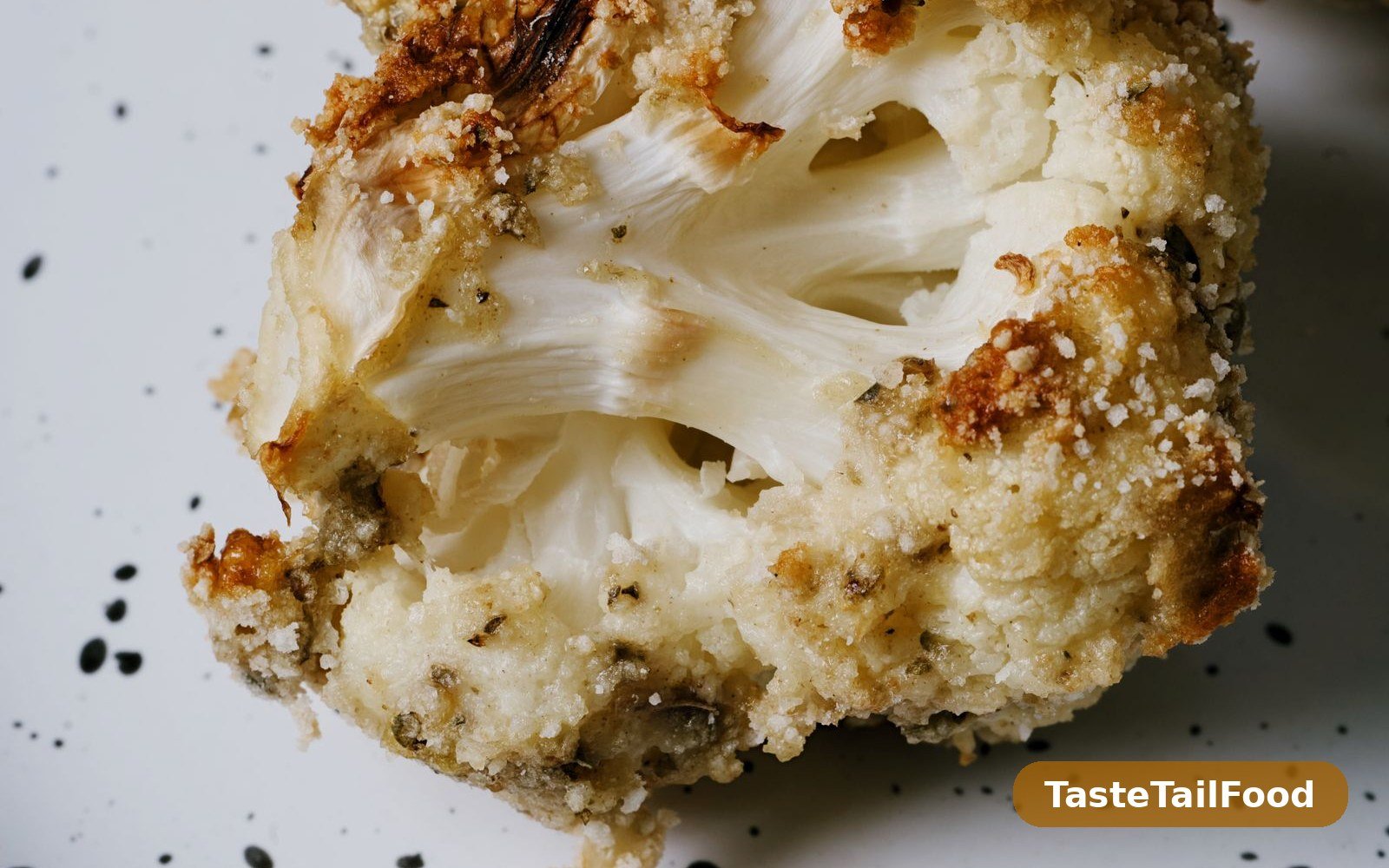
The second reason is the coating, and the fact that it has two layers. The egg is the glue, and the breadcrumbs are the crunch, and the two of them together make a coating that actually stays on the cauliflower instead of sliding off in the basket. This matters more than it sounds. A coating that falls off in the air fryer is not just messy. It leaves you with bare cauliflower and a pile of burnt crumbs at the bottom of the basket, and the bites come out patchy and disappointing. The egg wash, with a little seasoning whisked into it, sticks to the cauliflower and gives the breadcrumbs something to hold on to. The breadcrumbs, mixed with Parmesan and spices, form a proper crust that goes golden and crisp and stays put. It is a simple idea, and it is the difference between bites that look like they came from a restaurant and bites that look like an accident.
The third reason is the size of the florets. Small, even pieces are the whole secret to this recipe, and it is worth taking the time to cut them properly. A floret that is too big will still be raw in the middle when the coating is done, and a floret that is too small will dry out and turn into a hard little nugget. The sweet spot is a piece about the size of a walnut, with a flat side where it was cut from the stem. That flat side is useful, because it sits neatly in the basket and gives the coating a good surface to crisp on. When the florets are all roughly the same size, they all cook in the same time, and you do not end up with half the batch perfect and half the batch burnt or underdone. It takes an extra minute to cut them evenly, and it is the best minute you will spend on this recipe.
THE INGREDIENTS THAT MATTER
You need one medium head of cauliflower, about 800 grams, and it is worth choosing it carefully. Look for a head that feels heavy for its size, with tight white florets and fresh green leaves still attached. Avoid any head with brown spots on the florets, or one that feels light and hollow, because that usually means it has been sitting around for a while and has started to dry out. The leaves tell you a lot. If they are bright green and crisp, the cauliflower is fresh. If they are yellow and limp, it has been in the shop too long. Fresh cauliflower tastes sweeter and cooks more evenly, and it is the difference between bites that taste nutty and delicious and bites that taste a bit tired.
The breadcrumbs are the crunch, so they deserve a moment of thought. Panko breadcrumbs are the best choice here, because they are larger and flakier than ordinary breadcrumbs, and they crisp up into a lighter, crunchier coating. Ordinary breadcrumbs will work, and they will still taste good, but the coating will be denser and a little less shatteringly crisp. If you only have ordinary breadcrumbs, use them, and do not worry about it. If you have the choice, pick panko. It is usually in the same aisle as the regular breadcrumbs, it costs about the same, and it makes a real difference to the finished bites. One small tip: if your panko has been sitting in the cupboard for a while and feels a bit soft, spread it on a tray and bake it at 180°C for three or four minutes until it feels dry and crisp again. It will coat much better.
The Parmesan is not optional, and I say that as someone who is usually happy to leave cheese out of a recipe. A quarter of a cup of finely grated Parmesan, mixed into the breadcrumbs, does two things. It adds a salty, savoury flavour that plain breadcrumbs cannot provide, and it helps the coating turn golden, because the cheese melts slightly and then crisps as it cooks. Use real Parmesan if you can, the kind you grate yourself, because it melts and crisps much better than the pre-grated kind from a tub, which often has anti-caking agents that stop it from melting properly. If you do not have Parmesan, a hard cheese like Pecorino or Grana Padano will do the same job.
The spices are where you make the recipe your own. I use smoked paprika, garlic powder, onion powder, and a pinch of cayenne, because that combination gives the coating a warm, smoky flavour that works beautifully with the sweetness of the cauliflower. The smoked paprika is the important one. It adds colour, so the bites come out a lovely golden red, and it adds a gentle smokiness that makes the cauliflower taste like it has been cooked over a fire. If you do not have smoked paprika, sweet paprika will work, though the flavour will be milder. The cayenne is optional, and you can leave it out entirely if you are cooking for children, or add a little more if you like heat. The point is that the coating should taste of something before it goes anywhere near the cauliflower, because the cauliflower itself is mild and it needs the coating to bring the flavour.
Cauliflower is also a genuinely good vegetable to have in your kitchen, and it is worth knowing a little about what is in it. Healthline has a clear rundown of the benefits of cauliflower, and it is a useful read if you have ever wondered why it keeps turning up in healthy recipes.
WHAT YOU’LL NEED
This serves four people as a snack, or two people as a very generous side dish. It doubles easily if you are feeding a crowd, but cook it in batches, because crowded florets in the air fryer will steam instead of crisp, and you will lose the whole point of the recipe.
For the cauliflower bites:
- 1 medium head cauliflower (about 800 g), cut into walnut-sized florets
- 2 tablespoons plain flour, for dusting
- 2 large eggs
- 1 tablespoon milk or water
- 1 cup panko breadcrumbs
- 1/4 cup finely grated Parmesan
- 1 teaspoon smoked paprika
- 1 teaspoon garlic powder
- 1/2 teaspoon onion powder
- 1/4 teaspoon cayenne pepper (optional)
- 1/2 teaspoon fine salt
- 1/4 teaspoon black pepper
- Olive oil spray, or 2 tablespoons olive oil for brushing
You will need an air fryer, three shallow bowls for the coating station, and a tray lined with baking paper for the coated florets. A pair of tongs is useful for turning the florets halfway through cooking, and a small bowl for the dipping sauce. That is everything. There is no deep frying, no big pot of oil, and no mess to clean up afterwards, which is one of the reasons I make these so often. The whole thing, from cutting the cauliflower to eating the first hot bite, takes about twenty-five minutes.
A note on the oil spray. The coating needs a little oil to crisp properly in the air fryer, and a light spray over the top of the florets before cooking makes a real difference. If you do not have an oil spray bottle, brush the florets lightly with olive oil instead, using a pastry brush, and do the same thing halfway through cooking when you turn them. What you do not want is to skip the oil entirely, because the coating will stay pale and dry and will never reach that deep golden colour that tells you the bites are ready.
HOW TO MAKE AIR FRYER CRISPY CAULIFLOWER BITES
Start by cutting the cauliflower. Turn the head upside down and cut the florets away from the thick central stem, working your way around the outside and then into the middle. Aim for pieces about the size of a walnut, and if a floret is much bigger than the rest, cut it in half through the stem so the two pieces are roughly the same size. Try to leave a flat cut side on each piece, because that flat side will sit neatly in the basket. Do not worry about making them identical. Roughly the same size is enough, and a little variation is fine. You should end up with about four cups of florets, which sounds like a lot, but cauliflower shrinks a little as it cooks and these bites disappear fast, so do not be tempted to cut less.
Set up a coating station with three shallow bowls. In the first bowl, put two tablespoons of plain flour, seasoned with a pinch of salt. This is the step people are most likely to skip, and it is the one that holds the whole coating together. The flour sticks to the cauliflower and gives the egg something to grip, and without it the egg slides off the smooth surface of the florets and takes the breadcrumbs with it. In the second bowl, whisk the eggs with a tablespoon of milk or water until they are smooth and a little frothy. In the third bowl, mix the panko, the Parmesan, the smoked paprika, the garlic powder, the onion powder, the cayenne if you are using it, the salt and the pepper, and stir it well so the spices are evenly spread through the breadcrumbs. Taste a pinch of the breadcrumb mixture. It should taste well seasoned, a little salty and smoky, because this is where all the flavour comes from.
Now coat the florets. Working with a few at a time, roll each floret in the flour and shake off the excess, then dip it in the egg and let the extra drip back into the bowl, then roll it in the breadcrumb mixture and press the crumbs gently onto the surface so they stick. Put the coated florets on the lined tray and move on to the next ones. It takes a few minutes to work through the whole batch, and your hands will get messy, which is normal. Keep one hand for the wet bowls and one hand for the dry bowl if you can, because it keeps the breadcrumbs from clumping into a soggy paste. If the breadcrumb mixture does start to clump, tip in a spoonful of fresh panko and stir it through, which will sort it out.
Heat the air fryer to 200°C (400°F) and let it run empty for three minutes, so the basket is properly hot before the florets go in. A hot basket is the secret to a crisp coating, because the breadcrumbs start to set the moment they touch the heat, instead of sitting in a cold basket and soaking up moisture. Lightly spray or brush the basket with oil, then arrange the florets in a single layer with a little space between each one. Do not pile them up, and do not let them touch if you can help it, because anywhere two florets touch, the coating will stay soft and pale. Cook in batches if you have to. It is better to do two batches that come out crisp than one batch that comes out soggy.
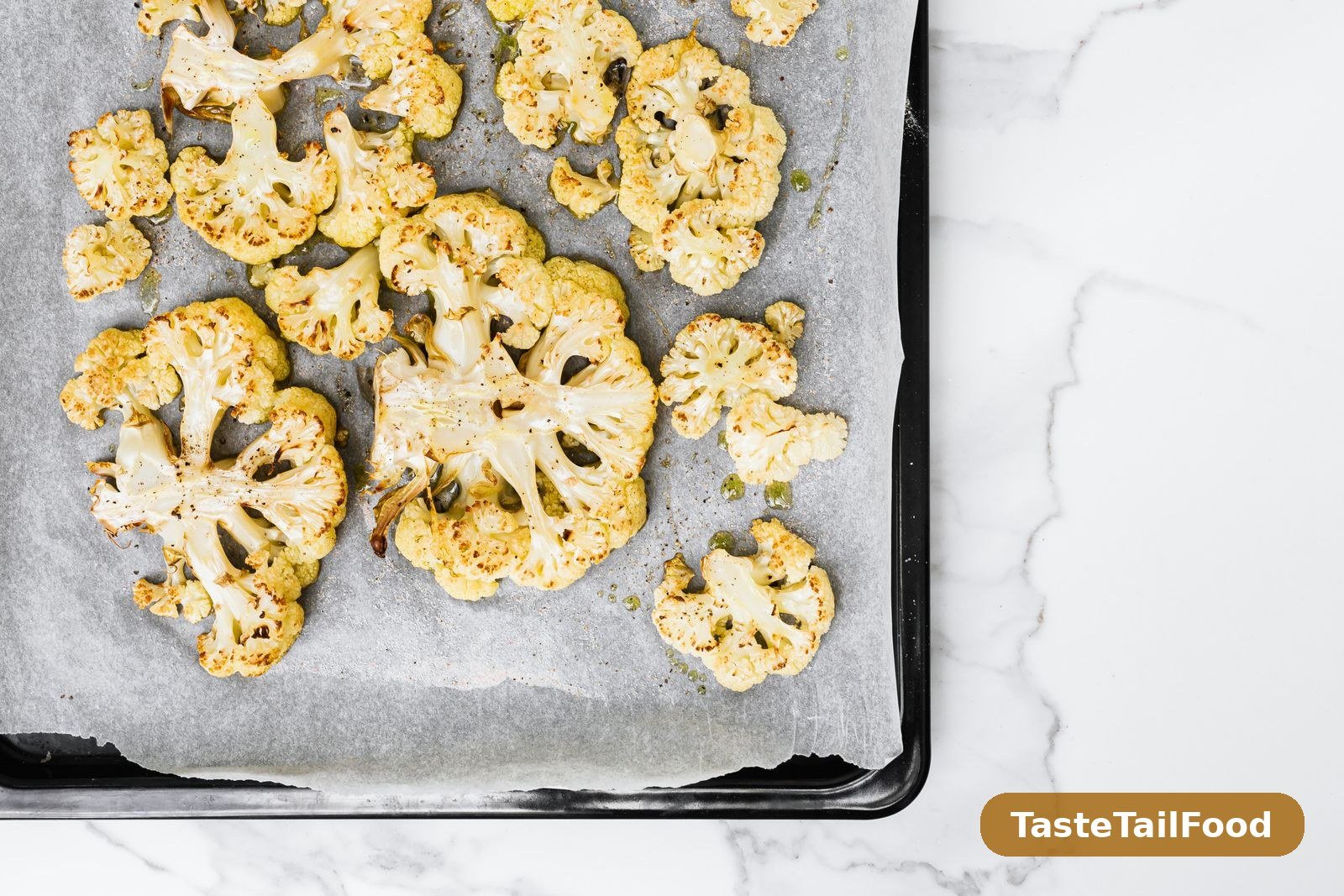
Spray or brush the tops of the florets lightly with oil, then cook for 10 minutes. Take the basket out, turn each floret over with tongs, spray the other side lightly, and cook for another 5 to 7 minutes. The bites are done when the coating is deep golden brown and crisp all over, and the cauliflower inside is tender when you poke it with a knife. The total cooking time is 15 to 17 minutes, but the real test is the colour and the crunch. If the coating is still pale after 15 minutes, give it another two or three minutes and check again, because every air fryer runs a little differently and some are hotter than others. Serve them straight away, while they are still hot and the coating is at its crispiest, with your dipping sauce of choice on the side.
GETTING THEM PROPERLY CRISPY
Crispiness is the whole point of this recipe, so it is worth knowing what makes it happen and what kills it. The first thing is temperature. The air fryer needs to be at 200°C, properly preheated, before the florets go in. If the basket is cold, the coating absorbs moisture from the cauliflower instead of setting, and by the time it does crisp, the inside is overcooked and soft. Three minutes of preheating is enough, and it is the easiest thing to forget, so make it a habit every time you use the air fryer. It makes a difference to everything you cook in it, not just cauliflower.
The second thing is space. The air fryer works by moving hot air around the food, and that only works if the air can actually reach the food. When the basket is crowded, the air cannot circulate, the florets steam each other, and the coating stays soft. The rule is simple. One layer, with a gap between each piece, every time. If your air fryer is small, cook in two batches. The first batch will stay warm while the second one cooks, and you can put the first batch back in for two minutes at the end to crisp it up again. It takes a few extra minutes, but the result is worth it.
The third thing is the oil. A light spray over the coating is what turns it golden and crisp, because the oil carries the heat into the breadcrumbs and helps them brown. Without it, the coating stays pale and dry, and it tastes dusty rather than crunchy. You do not need much, just a light, even coating on the top, and then again on the other side when you turn the florets. And do not skip the turn. The side facing up gets the most heat, so turning halfway through is what makes the bites crisp on all sides instead of just on top.
The last thing is timing. Eat them hot. The coating is at its crispiest in the first ten minutes after cooking, and it softens gradually as the bites sit and the steam from inside the cauliflower works its way out. If you need to hold them for a few minutes, spread them out on a wire rack rather than piling them on a plate, because the rack lets the air circulate underneath and stops the bottoms from going soft. And whatever you do, do not cover them with foil or a lid, because that traps the steam and turns a crisp coating into a soggy one in minutes.
COMMON MISTAKES AND HOW TO AVOID THEM
The most common problem is a coating that falls off in the basket, and it almost always comes back to skipping the flour. The flour is the first layer, and it is what the egg sticks to. Without it, the egg slides off the smooth cauliflower and the breadcrumbs have nothing to hold on to. If your coating is falling off, the fix is to make sure you are rolling each floret in flour first, and shaking off the excess so there is just a thin dusting. Too much flour is also a problem, because it turns into a gummy layer under the egg, so shake each floret well before it goes into the egg bowl.
The second problem is soggy bites, and the cause is usually overcrowding. If the basket is packed tight, the florets steam instead of crisping, and no amount of extra cooking time will fix it, because the moisture has nowhere to go. The fix is to cook in batches and give each floret its own space. It is also worth checking that your florets are not wet when they go into the flour. If you have just washed the cauliflower, pat the florets dry with a clean tea towel before you start coating them, because wet florets make the flour clump and the coating slide off.
If the coating is burning before the cauliflower is cooked, your florets are probably too small, or the temperature is too high for your particular air fryer. Small florets cook fast, and their coating can go from golden to black in a couple of minutes. The fix is to cut the florets a little bigger next time, and to turn the temperature down to 190°C. If it happens mid-cook, take the basket out, turn the florets, and finish them at 180°C for a few extra minutes. The colour will stop darkening so fast, and the cauliflower inside will have time to catch up.
And if the bites taste bland, the problem is almost always the seasoning in the breadcrumb mixture. Cauliflower is a mild vegetable, and it needs a well-seasoned coating to taste of anything. Taste the breadcrumb mixture before you start coating, and adjust it. If it tastes flat, add another pinch of salt and a little more smoked paprika. The coating should taste bold before it goes on the cauliflower, because the cauliflower will mellow it out as it cooks. A dipping sauce helps too, and a good sauce can rescue even a slightly under-seasoned batch, which is one reason the sauces below are worth making.
STORING AND REHEATING
Leftover cauliflower bites keep well, though they are rarely leftover for long in my house. Let them cool completely, then store them in an airtight container in the fridge, with a piece of paper towel in the bottom to absorb any moisture. They will keep for three to four days, and the flavour holds up well, though the coating will soften in the fridge and will not be as crisp as it was fresh from the air fryer. That is normal, and it is not a reason to throw them away, because they reheat beautifully.
Reheating is where the air fryer earns its keep for a second time. Put the cold bites back in the air fryer at 190°C for four to five minutes, and the coating will crisp up again almost as well as it was the first time. The oven works too, at 200°C for eight to ten minutes on a wire rack, though it is slower and the result is not quite as crisp. The microwave is the one option to avoid, because it will heat the bites through but it will turn the coating soft and chewy, and there is no coming back from that. If you only have a microwave, reheat them in short bursts and finish them under the grill for a couple of minutes to crisp the top.
Cold cauliflower bites are also worth trying, and I mean that seriously. Straight from the fridge, with the coating set and the cauliflower still tender, they make a wonderful lunchbox item or picnic snack, especially with a small pot of dipping sauce. Children seem to like them cold almost as much as they like them hot, and they are much easier to pack than most hot snacks. Just make sure they have been stored properly and have not been sitting out at room temperature for hours. The same food safety rules that apply to any cooked vegetable apply here, and the fridge is your friend.
DIPS AND SAUCES
A good dipping sauce is what turns these bites from a nice snack into the thing people remember, and the best part is that the simplest sauces are often the best. The easiest is a quick garlic yoghurt dip, made by mixing a cup of thick yoghurt with a clove of minced garlic, a squeeze of lemon juice, a pinch of salt, and a spoonful of chopped herbs. It takes two minutes, it is cool and tangy against the hot, crunchy bites, and it is the sauce I make most often. If you want it thinner, add a spoonful of water at a time until it is the consistency you like.
For something richer, a tahini sauce is wonderful with cauliflower, and the two flavours have a natural affinity that is hard to explain until you taste it. Whisk together three tablespoons of tahini, the juice of half a lemon, a clove of minced garlic, a pinch of salt, and enough cold water to make it pourable. It should be smooth and creamy, like a thin mayonnaise, and it should taste nutty and bright at the same time. Drizzle it over the bites just before serving, or serve it in a bowl on the side for dipping. The photo above shows the bites with tahini sauce, and it is the combination I reach for when I want the dish to feel a little bit special.

If you like heat, a spicy mayo is the easiest option and the one children seem to ask for most. Mix half a cup of mayonnaise with a tablespoon of sriracha and a squeeze of lime juice, and taste it. If you want more heat, add another half tablespoon of sriracha. If you want it milder, add another spoonful of mayonnaise. A honey mustard dip works beautifully too, and if you have tried our honey mustard baked chicken drumsticks, you will already know how well honey and mustard go together. The same sauce, thinned with a little water, is a perfect dip for these bites. And for the simplest option of all, a bottle of good hot sauce and a wedge of lemon on the side is genuinely enough. The bites are good enough to carry a simple sauce, and sometimes the simplest choice is the right one.
WHAT TO SERVE WITH THEM
These bites are at their best as a snack, hot from the air fryer with a bowl of dip and nothing else to distract from them. That is how they disappear fastest in my house, and it is how I serve them when friends come over, because a big plate of something crispy with a good dip is the easiest party food there is. Put them in the middle of the table, give everyone their own little bowl of sauce, and do not be surprised when the plate is empty in ten minutes.
As a side dish, they sit happily next to almost anything. They are wonderful with our creamy garlic butter chicken thighs, because the rich, buttery chicken and the crisp, light cauliflower balance each other beautifully, and the meal feels complete without being heavy. They work just as well with grilled fish, with a simple roast chicken, or with a bowl of soup on a cold evening, where they are the crunchy thing that makes the meal feel like more than just soup. If dinner is a vegetarian one, they are substantial enough to be the main event, especially with a big salad and some good bread, and a plate of them with a couple of dips is a dinner that nobody will complain about.
For children, these bites are one of the easiest ways to get cauliflower onto the table without a negotiation. Cut the florets small, leave out the cayenne, serve them with a dip they already like, and let them eat with their fingers. The crunch does most of the work, and the dipping does the rest. I have watched children who claim to hate cauliflower eat a whole plate of these without realising what they were eating, and the trick is not to make a big deal of it. Just put them on the table, call them crispy bites, and let the food speak for itself.
If you are cooking for a crowd, the bites scale up well, and they are one of the few snacks that taste just as good at room temperature as they do hot, which makes them perfect for a buffet. Cook them in batches, spread them out on a large tray, and put out two or three different dips so people can choose. A garlic yoghurt dip, a spicy mayo, and a tahini sauce cover most tastes, and the whole spread takes less than half an hour to put together. Our crispy air fryer potatoes without flour are another good crowd snack from the air fryer, and the two of them together, one plate of each, make a table that looks generous without much effort at all.
VARIATIONS WORTH TRYING
Once you have the basic version working, this coating is easy to make your own, because the method stays the same and only the seasoning changes. The simplest variation is to go cheesy. Add an extra quarter cup of Parmesan to the breadcrumb mixture and a pinch of dried Italian herbs, and the bites come out with a deeper, more savoury flavour that tastes almost like a cheese straw. Children love this version, and it is the one I make when the bites are going to be eaten on their own as a snack, because the cheese carries the flavour and the dip becomes optional rather than essential.
For a spicier version, add a teaspoon of chilli powder and half a teaspoon of cumin to the breadcrumb mixture, and serve the bites with a lime yoghurt dip. The result is closer to a Mexican street food flavour, warm and a little smoky, and it is wonderful with a cold drink on a warm evening. For a curry version, add a teaspoon of curry powder and a pinch of turmeric, and serve with a mint yoghurt dip. The turmeric turns the coating a beautiful golden colour, and the flavour is warm and fragrant without being hot, which makes it a good choice for people who like spice but not chilli heat.
You can also change the vegetable. The same coating works beautifully on broccoli florets, which cook in about the same time and go wonderfully crisp in the air fryer. Roasting broccoli in the oven with Parmesan and lemon is the same idea, and it is worth trying if you like that combination. The coating also works on thick slices of courgette, though they need a minute or two less, and on chunks of sweet potato, which need a few minutes more. And if you want to make the bites gluten-free, use gluten-free panko and a gluten-free flour for the first layer, and the recipe works exactly the same way, with the same crisp coating and the same cooking time.
The bites themselves can also go in a different direction. Toss them in buffalo sauce straight from the air fryer, and they become a vegetarian version of buffalo wings, best served with a blue cheese dip and some celery sticks. Or toss them in a sweet chilli sauce and serve them over rice, and they become a quick weeknight dinner rather than a snack. The cauliflower is a blank canvas, and the coating is the paint. Once you know the method, you can make it taste like almost anything you like.
WHY CAULIFLOWER DESERVES A PLACE IN THE AIR FRYER
Cauliflower has had a strange journey in the kitchen. For years it was the vegetable that turned up boiled and bland, and nobody got excited about it. Then it became a health food, turned into rice and pizza bases and mash, and people started taking it seriously. But the best thing that ever happened to cauliflower is the air fryer, because the air fryer does to cauliflower what a hot oven does to a roast potato. It takes a mild, slightly sweet vegetable and gives it edges and colour and crunch, and it turns something plain into something you actually want to eat.
Part of the reason is the flavour. Cauliflower is mild when it is raw, and almost tasteless when it is boiled, but when it is roasted or air fried, something changes. The natural sugars in the cauliflower caramelise, the flavour deepens into something nutty and almost sweet, and the edges go golden in the way that makes any roasted vegetable taste better. It is the same transformation that happens to broccoli, to carrots, to Brussels sprouts, and it is the reason roasting is the best way to cook most vegetables. The air fryer just does it faster and more evenly than an oven, and with a crisp coating on top, the result is even better.
The other part of the reason is practical. Cauliflower is cheap, it keeps well in the fridge for a week or more, it is available all year round, and one head makes enough bites for a whole family. It is the kind of vegetable you can buy without a plan and still find a use for, and this recipe is the use I reach for most often. Medical News Today explains what cauliflower brings to the table nutritionally, and it is a useful reminder that the vegetable you are eating for the crunch is also doing you some good.
That is really what this recipe is about. It is not a clever dish, and it is not a difficult one. It is one head of cauliflower, a simple coating made from things you already have, and twenty minutes in the air fryer. It takes a vegetable that most people ignore and turns it into the snack that disappears first from the table, and it does it without deep frying, without a big mess, and without much effort at all. Once you have made it, you will understand why it is in our regular rotation. And once your family has tasted it, they will ask for it just as often, and the cauliflower in your fridge will never be ignored again.
FREQUENTLY ASKED QUESTIONS
Can I make air fryer cauliflower bites ahead of time?
Yes, and they are a good make-ahead snack. You can coat the florets and keep them on a tray in the fridge, covered, for up to 8 hours before cooking, and the coating will hold up well. You can also cook them fully ahead of time and reheat them in the air fryer at 190°C for four to five minutes, which brings the crispness back almost completely. They are at their very best when they are freshly cooked, but the reheated version is still genuinely good, and it is a useful option when you are cooking for guests.
How do I stop the coating from falling off?
The coating has three layers, and each one matters. Roll the florets in flour first, and shake off the excess so there is just a thin dusting. Then dip them in egg and let the extra drip off. Then roll them in the breadcrumb mixture and press the crumbs on gently. The flour is the step people skip, and it is the one that holds everything together, because the egg cannot grip the smooth surface of the cauliflower on its own. Keep one hand for the wet bowls and one hand for the dry bowl, so the breadcrumbs do not clump.
Can I make these without eggs?
Yes. The egg is the glue, but you can replace it with a thick batter made from three tablespoons of plain flour whisked with four tablespoons of water, or with a plant-based milk mixed with a tablespoon of flour. Dip the floured florets in the batter instead of the egg, let the excess drip off, and roll them in the breadcrumbs as normal. The coating will be slightly less rich, but it will still stick and crisp well. A flax egg, made from one tablespoon of ground flaxseed mixed with three tablespoons of water and left for five minutes, also works.
Why are my cauliflower bites soggy instead of crispy?
The most common cause is overcrowding the basket. When the florets are packed tight, the air cannot circulate, the florets steam each other, and the coating stays soft. Cook in a single layer with a gap between each piece, and cook in batches if you have to. The other causes are a cold basket, because the air fryer was not preheated, and skipping the oil spray, because the coating needs a little oil to brown and crisp. Preheat for three minutes, spray lightly, and give each floret its own space, and the bites will come out crisp.
Can I use frozen cauliflower for this recipe?
You can, but it needs care. Thaw the florets completely first, then pat them very dry with a clean tea towel, because frozen cauliflower holds a lot of water and wet florets will make the coating slide off. The florets will be softer than fresh ones, so handle them gently when you coat them, and expect a slightly less crisp result. Fresh cauliflower is better for this recipe, and it is worth using if you have the choice, but frozen cauliflower will still give you a tasty snack if you dry it properly.
What is the best dipping sauce for cauliflower bites?
It depends on your taste, but a garlic yoghurt dip is the easiest and the most popular, because it is cool and tangy against the hot, crunchy bites. A tahini sauce is the most interesting, and it goes especially well with the nutty flavour of the cauliflower. A spicy mayo is the one children ask for most, and a honey mustard dip is the one I reach for when I want something sweet and sharp. There is no wrong answer, and the best approach is to put out two sauces and let people choose.
Can I make these gluten-free?
Yes, and the recipe works exactly the same way. Use gluten-free panko breadcrumbs, which are available in most supermarkets now, and a gluten-free plain flour for the first layer. The coating will crisp just as well, and the cooking time is the same. Check that your Parmesan is gluten-free too, though most hard cheeses are naturally gluten-free. The rest of the recipe is already gluten-free, so it is a simple swap and the result is just as good.
How long do leftover cauliflower bites last?
They keep for three to four days in an airtight container in the fridge, with a piece of paper towel in the bottom to absorb moisture. The coating will soften in the fridge, but it crisps up again when you reheat the bites in the air fryer at 190°C for four to five minutes. Do not reheat them in the microwave, because it will turn the coating soft and chewy. Cold bites are also good straight from the fridge, especially with a dipping sauce, and they make a useful lunchbox snack.