
Air Fryer Honey Glazed Salmon
Some recipes earn their place in the weekly rotation because they are impressive. This one earns it because it is almost embarrassingly easy. Air fryer honey glazed salmon takes about twenty minutes from start to finish, uses a short list of ingredients you probably already have, and comes out looking like something you would pay good money for in a restaurant. The glaze turns sweet and sticky in the heat, the edges of the salmon get the slightest bit crisp, and the middle stays tender and juicy. It is the kind of dinner that makes a normal Tuesday feel like a small occasion.
I started making salmon in the air fryer on a night when the oven was already busy and I did not want to stand over a pan, wiping up oil splatter afterwards. The air fryer did the whole job with barely any mess, and the salmon came out better than the version I used to make in a skillet. The hot circulating air cooks the fish evenly, the glaze caramelises instead of burning, and there is no fishy smell hanging around the kitchen for hours afterwards. That last point alone was enough to make it a regular. Since then it has become the fish dinner I make most often, the one I suggest when friends say they want to eat more fish but find it intimidating.
If you have ever been nervous about cooking fish at home, this is a good place to start. There is no flipping in a hot pan, no worrying about the fillet falling apart on a grill, and no guessing about whether the oven is too hot or too cool. You season the salmon, brush on the glaze, and let the air fryer do its thing. A thermometer takes the guesswork out of the rest, but even without one, the signs are easy to read, and I will walk you through them below.
Picking Salmon That Cooks Well
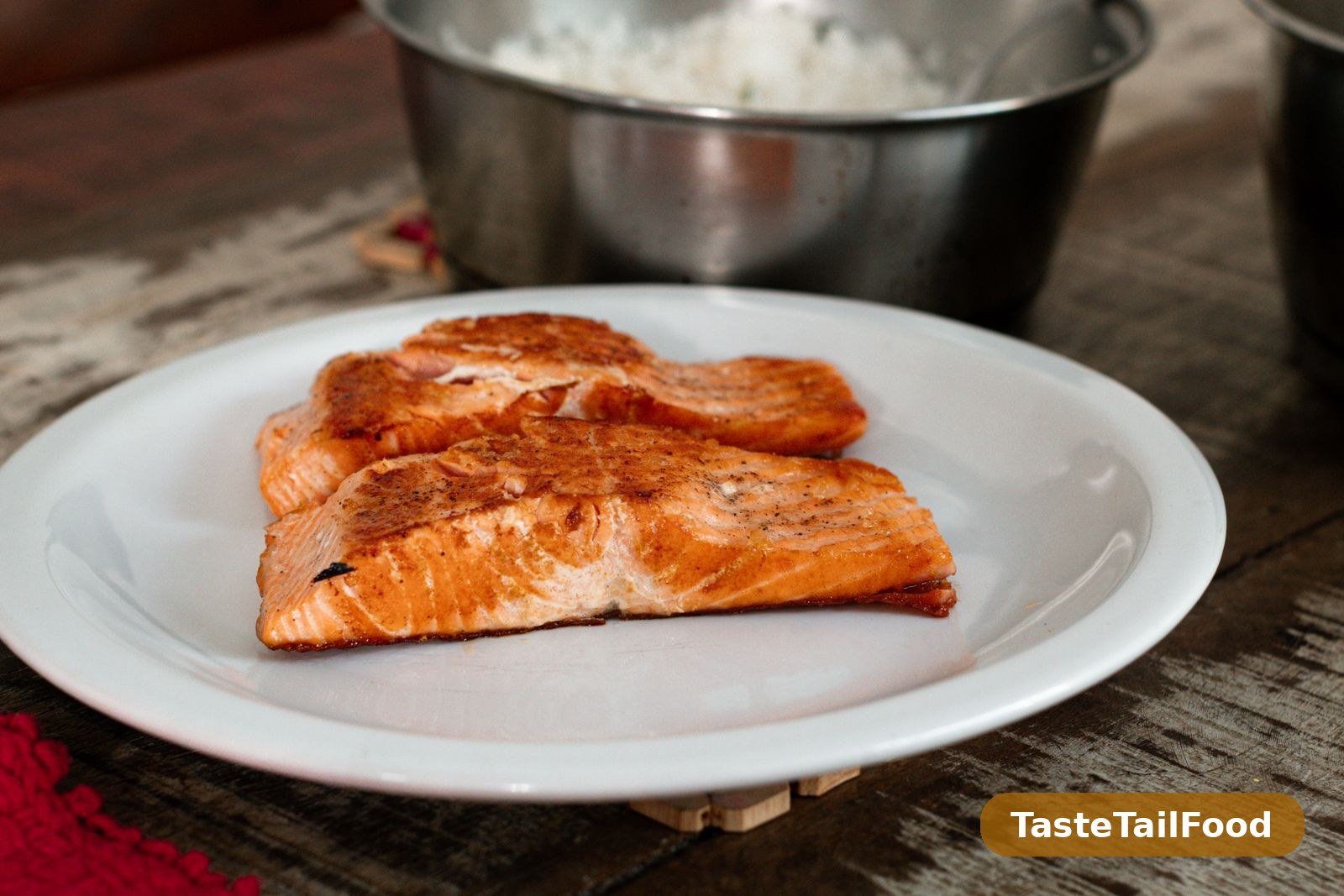
The recipe is forgiving, but the salmon itself matters more than anything else in it. The best choice is a fillet that is roughly even in thickness, about an inch to an inch and a half at its thickest point. If one end is much thinner than the other, the thin end will dry out before the thick end is done. When you are at the fish counter, look for fillets that are cut from the centre of the fish rather than the tail end — they are more even, and they cook more predictably.
Fresh salmon should look bright and moist, not dull or dry around the edges. The colour can range from a deep orange-red to a paler pink depending on the type, and that is normal. What you want to avoid is any fish that smells strongly fishy. Fresh salmon smells like the sea, clean and mild. If it smells sharp or sour, leave it and pick another piece. Skin-on fillets are my preference for this recipe because the skin protects the flesh from the direct heat and helps the fish stay moist, but skinless fillets work too — just check them a minute earlier, since they cook a little faster without that layer.
Frozen salmon is perfectly fine, and honestly it is what most of us buy most of the time. Just give it time to thaw properly. The best way is overnight in the fridge, on a plate to catch any drips. If you forgot and need it faster, seal the fillet in a zip-top bag and leave it in a bowl of cold water for thirty to forty minutes, changing the water once. Do not thaw it in the microwave or under hot water. It will cook unevenly, and the texture will suffer. Once thawed, pat the fillet very dry with paper towels. A dry surface is what lets the glaze stick and the top get that lovely golden colour instead of steaming pale.
Salmon is one of those foods that is as good for you as it tastes, and that is not just something people say to make you feel better about dinner. It is rich in omega-3 fatty acids and a solid source of protein, which is part of why it shows up on so many lists of foods worth eating regularly. If you want the full picture of what is in it, Healthline has a clear rundown of the nutrition in salmon and why it is so good for you, and it is worth a read if you are trying to eat a little better without making dinner feel like a chore.
What You’ll Need
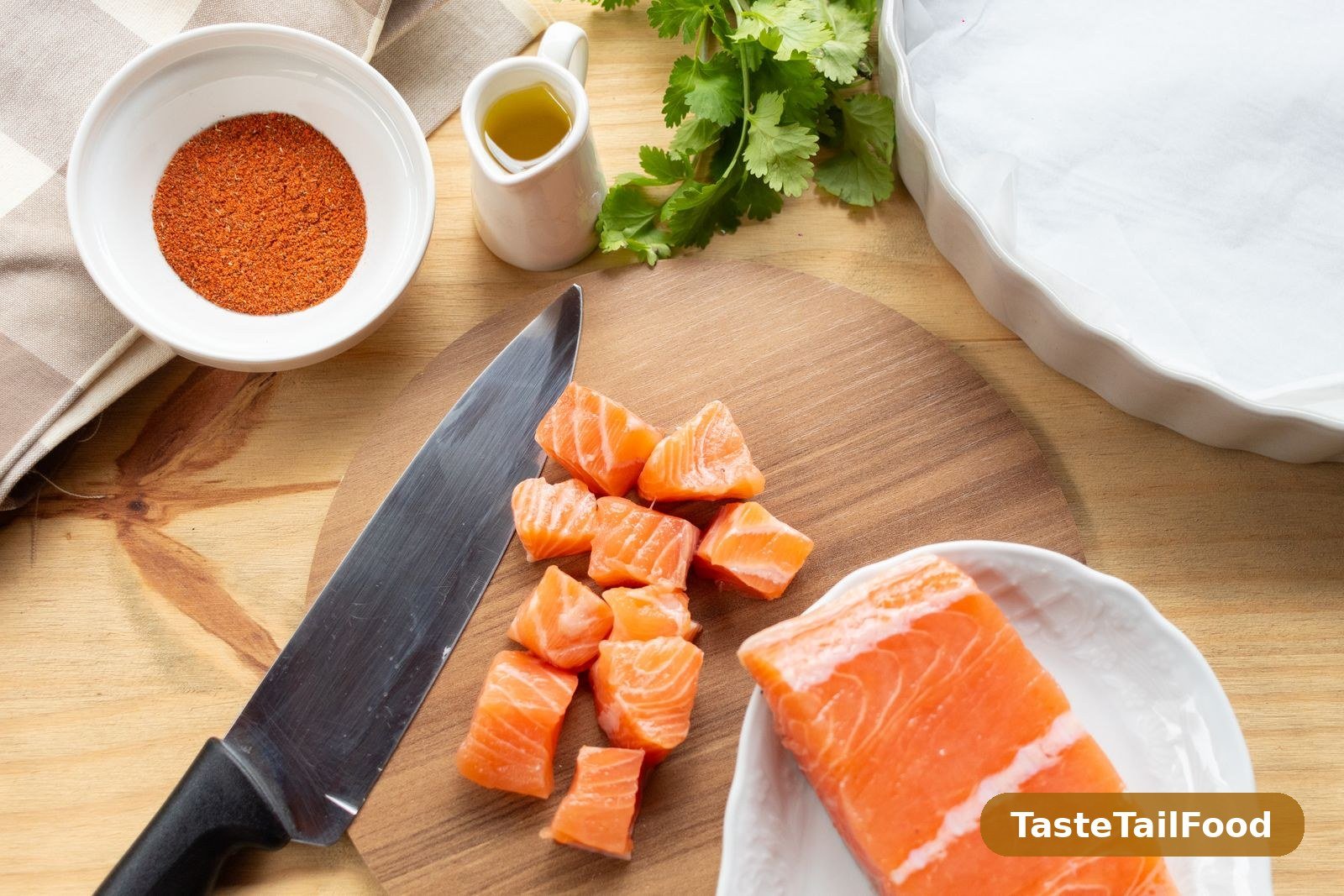
This is a short list, and that is deliberate. A good honey glaze does not need a dozen ingredients. It needs honey, something salty, something sharp, and a little warmth. Here is everything, for four servings.
For the salmon:
- 4 salmon fillets, about 6 ounces (170 g) each, skin on or off
- 1/2 teaspoon kosher salt
- 1/4 teaspoon black pepper, freshly ground if you have it
- 1/2 teaspoon garlic powder
- 1/2 teaspoon paprika — sweet, not smoked
- Olive oil spray, or a light brush of olive oil
For the honey glaze:
- 3 tablespoons honey
- 2 tablespoons soy sauce, low sodium if you have it
- 1 tablespoon Dijon mustard
- 2 cloves garlic, finely minced
- 1 teaspoon rice vinegar or apple cider vinegar
- 1/2 teaspoon grated fresh ginger, or 1/4 teaspoon ground ginger
- A pinch of chilli flakes, optional
To finish:
- 1 tablespoon chopped fresh parsley or chives
- Lemon wedges, for serving
- Sesame seeds, optional, for sprinkling
A word about the honey. Any runny honey works here — the kind in the squeezy bottle is fine. Thick, crystallised honey will work too, but warm it for a few seconds first so it mixes smoothly into the glaze. And on the soy sauce: low sodium is worth using if you have it, because the glaze reduces as it cooks and the salt concentrates. Regular soy sauce is fine, but if that is what you are using, skip any extra salt on the fish and taste the glaze before brushing it on.
The Honey Glaze, and Why It Works
A glaze like this one does three jobs at once, and that is why it tastes so much better than a simple drizzle of honey. The honey brings sweetness and, more importantly, it caramelises. As the hot air hits it, the sugars brown and turn sticky, which gives the salmon that glossy, golden top that makes the dish look restaurant-made. The soy sauce brings salt and depth, the kind of savoury note that keeps the sweetness from tasting like dessert. The Dijon and the vinegar bring a little sharpness that cuts through the richness of the fish. And the garlic and ginger give it a warm, aromatic backbone that makes the whole thing smell wonderful while it cooks.
The trick is not to put all of the glaze on at the start. Honey burns if it spends too long in high heat, and nobody wants a bitter, blackened crust on their salmon. So the fish goes into the air fryer with just its seasoning first, and the glaze goes on partway through, when the salmon is already mostly cooked. That way the glaze gets just enough time to bubble and set without burning, and the salmon underneath stays tender. I make the glaze in a small bowl while the air fryer preheats, which takes about two minutes, and that is really all the prep this recipe needs.
If you like a thicker, stickier finish, you can brush on a second coat in the last minute of cooking. The first coat will have set by then, and the second one will cling to it and turn glossy. It is a small step, but it makes a visible difference when you put the plate down on the table.
How to Make Air Fryer Honey Glazed Salmon
Preheat the air fryer to 400°F (200°C) for three to five minutes. This matters more than people think. A hot basket sears the outside of the fish the moment it goes in, which is what gives you those lightly crisp edges. If the basket is cold, the fish heats up slowly and the texture is never quite as good.
While it preheats, mix the glaze. In a small bowl, whisk together the honey, soy sauce, Dijon mustard, minced garlic, vinegar, ginger, and chilli flakes if you are using them. It should look smooth and pourable, like a thin syrup. Set it aside.
Pat the salmon fillets very dry with paper towels, top and bottom. This is the step people skip, and it is the one that makes the biggest difference. Wet fish steams. Dry fish sears. Press the towels on firmly and get the surface as dry as you can. Then season the top of each fillet with the salt, pepper, garlic powder, and paprika. A light, even sprinkle is enough. The glaze will add plenty of flavour on top.
Lightly spray or brush the air fryer basket with olive oil. This keeps the skin from sticking and makes cleanup much easier later. Place the fillets in the basket skin-side down, leaving a little space between them. Do not crowd the basket. If the fillets are touching, the hot air cannot circulate properly and they will cook unevenly. Cook in two batches if your air fryer is small — it is better to wait an extra ten minutes than to end up with soggy fish.
Cook the salmon for six minutes at 400°F (200°C). Then open the basket and brush a generous coat of the honey glaze over the top of each fillet. Be generous with it, but do not pour the whole bowl on. You want a coating, not a puddle. The glaze will drip down the sides a little, and that is fine — it will caramelise on the edges and taste wonderful.
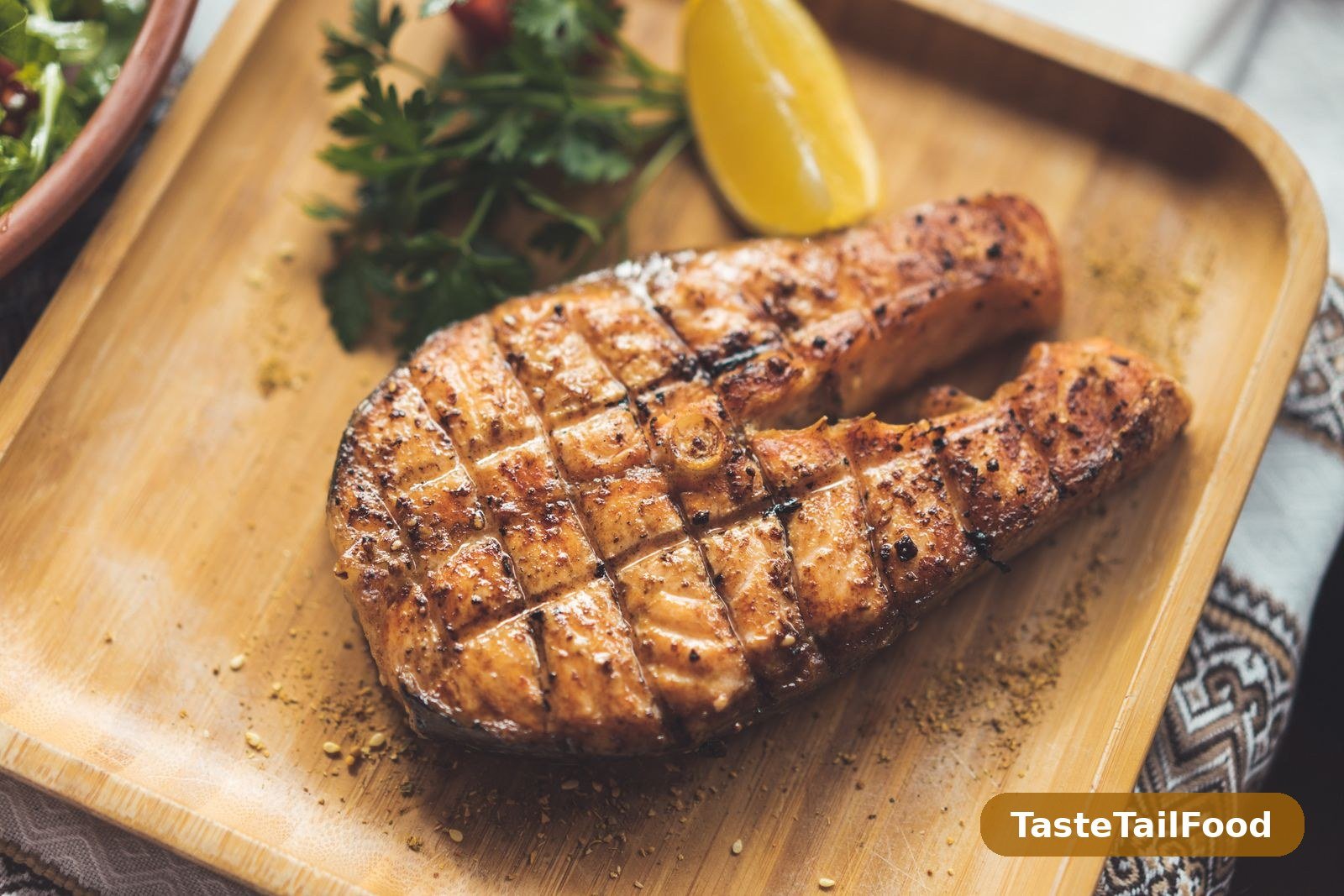
Close the basket and cook for another four to five minutes, until the glaze is bubbling and set and the salmon is cooked through. If you want that extra-sticky finish, brush on a second thin coat in the last minute and let it set. The total cooking time is usually ten to eleven minutes for a one-inch fillet. Thicker fillets may need a minute or two more, thinner ones a minute less.
How to Tell When It’s Done
The reliable way to check salmon is with a thermometer, the same as with any other protein. The U.S. Food and Drug Administration recommends cooking fish to an internal temperature of 145°F (63°C), and the flesh should be opaque and separate easily into flakes. If you want to read the official guidance, the FDA’s page on selecting and serving seafood safely lays it out clearly, and it is a good page to bookmark if you cook fish often.
If you do not have a thermometer, there are two signs to look for. First, press the thickest part of the fillet gently with a fork and twist slightly. Cooked salmon flakes apart in clean, neat layers. If it resists and looks translucent in the middle, it needs another minute or two. Second, look at the colour. The flesh should be opaque all the way through, with no glossy, raw-looking centre. A little white stuff may appear on the surface as it cooks — that is albumin, a protein that comes out of the fish as it heats, and it is completely harmless. It wipes off easily, and it does not mean anything is wrong.
Be careful not to overcook it. Salmon goes from perfect to dry in the space of about two minutes, and the air fryer is efficient enough that the difference between done and overdone can sneak up on you. When in doubt, pull it a minute early. The fish keeps cooking for a minute or two from its own heat after it comes out of the basket, and slightly underdone salmon is far better than dry salmon.
What to Serve With It
This salmon is rich and a little sweet, so it likes company that is fresh, simple, and not too heavy. Steamed rice is the obvious partner — it soaks up any extra glaze that runs off the fish, and the plainness of the rice lets the salmon do the talking. If you want something with a little more texture, our quick fried rice with frozen vegetables is a good match and comes together in about the same time as the salmon itself.
A green vegetable on the side keeps the plate balanced. Roasted broccoli, green beans, or a simple salad with a lemony dressing all work. If you are already using the air fryer, it makes sense to cook the side in it too — our crispy air fryer potatoes without flour are a favourite in this house, and they go from the basket to the plate with barely any extra effort.
For a lighter meal, serve the salmon over a bed of greens with cucumber and a squeeze of lemon, or flake it into a grain bowl with rice and whatever vegetables you have in the fridge. And if you want noodles instead of rice, our easy garlic noodles with vegetables are a gentle, garlicky match that never overpowers the fish.
Keep the drinks simple too. A cold glass of iced tea, sparkling water with lemon, or a light white wine if that is your thing. Nothing fancy is needed. The salmon is the star, and everything else is there to make it shine.
Variations Worth Trying
Once you have the basic method down, this recipe is easy to bend in different directions. If you like a little heat, add a teaspoon of sriracha or a pinch more chilli flakes to the glaze. The sweetness of the honey handles the heat well, and the result is closer to a spicy-sweet glaze that works beautifully with the richness of the salmon.
For a citrus version, swap the rice vinegar for the juice of half a lime and add a teaspoon of lime zest to the glaze. The lime brightens everything up and makes the dish feel lighter, which is lovely in warmer weather. An orange version works the same way — orange juice and a little zest, and you have a completely different dinner from the same base.
If you do not have honey, maple syrup is a good substitute. It caramelises in a similar way and brings its own warm flavour. Brown sugar dissolved in a tablespoon of warm water also works in a pinch, though the glaze will be slightly thinner. And if you want a version without soy sauce, a pinch of salt and a splash of Worcestershire sauce will give you a similar savoury depth.
The same air fryer method works with other fish too. Cod and halibut are both good in the air fryer, though they are leaner than salmon and dry out faster, so check them a minute earlier. And if fish is not on the menu one night but the honey glaze idea appeals to you, our creamy garlic butter chicken thighs use the same kind of weeknight logic — a simple sauce, a hot pan, and dinner in about half an hour.
Storing Leftovers
Leftover salmon keeps well in the fridge for two days in a sealed container. It is good cold, flaked over a salad or tucked into a sandwich with a little mayonnaise and lettuce, and it reheats gently too. The best way to reheat it is in the air fryer at 350°F (175°C) for about three minutes, which warms it through without drying it out. The microwave works as well, but use short bursts at half power and stop as soon as it is warm — a minute too long and it will turn rubbery.
I would not freeze cooked salmon from this recipe. The glaze does not freeze and thaw well, and the texture of reheated frozen salmon is a long way from the fresh version. If you have raw fillets you will not use in time, freeze those instead, well wrapped, and thaw them properly before cooking.
Why This Is a Weeknight Winner
Most of the recipes I cook again and again share the same few qualities. They use ingredients I already have. They take less than half an hour. They make almost no mess. And they taste like far more effort went into them than actually did. This salmon checks every one of those boxes. The prep is two minutes of mixing a glaze and seasoning the fish. The cooking is ten minutes in the air fryer. The cleanup is a basket and a small bowl. And the result is a dinner that looks and tastes like you tried much harder than you did.
It is also a recipe that scales easily. Two fillets or six, the method is the same, and the only change is cooking in batches so the basket is never crowded. That makes it a good choice when a friend drops by unexpectedly or when the family is suddenly hungrier than planned. And because it is fast, it works on the nights when cooking feels like the last thing you want to do — which, if we are honest, is most weeknights.
If you are trying to cook fish more often, start here. It is simple, it is forgiving, and it is the kind of recipe that builds confidence. Once you have made it a few times, you will find yourself reaching for the air fryer every time salmon is on the menu, and you will wonder why you ever made it any other way.
Frequently Asked Questions
Can I use frozen salmon fillets without thawing them first?
You can, but I would not recommend it for this recipe. Frozen fillets release a lot of water as they cook, which keeps the glaze from sticking and the top from caramelising properly. The outside will also cook faster than the inside, so you can end up with a fillet that is done on the surface and still cold in the middle. Thaw them first — overnight in the fridge is best, or thirty to forty minutes in a sealed bag in cold water if you are short on time — and pat them dry before seasoning.
How do I keep the salmon from sticking to the air fryer basket?
A light spray or brush of oil on the basket before the fish goes in is the main thing. Parchment paper made for air fryers also works, and it makes cleanup even easier, but do not use regular parchment without weighing it down — it can lift up and touch the heating element. Placing the fillets skin-side down helps too, since the skin acts as a barrier between the flesh and the basket. And once the fish is in, leave it alone until it is time to glaze. Moving it around is what usually causes sticking.
Can I make the honey glaze ahead of time?
Yes, and it keeps well. Mix it up and store it in a sealed jar in the fridge for up to a week. It will thicken a little when cold, so let it sit at room temperature for ten minutes or warm it for a few seconds in the microwave before using it. It is also good on chicken wings, roasted carrots, and grilled shrimp, so making a double batch is never a waste.
What temperature should I use if my air fryer only shows Celsius?
Set it to 200°C. That is the same as 400°F, and it is the temperature this recipe is written for. If your air fryer runs hot — you will know after a batch or two if things brown faster than expected — drop it to 190°C and add a minute to the cooking time. Every air fryer is a little different, so the first time you make this, check the fish a minute early until you know how yours behaves.
Can I use skinless salmon fillets?
Yes, skinless fillets work fine. The skin helps protect the fish and keep it moist, but it is not essential. Without the skin, the bottom of the fillet will be in direct contact with the basket, so oil the basket well, and check the fish about a minute earlier than the recipe says, since skinless fillets cook slightly faster. The glaze and the flavour will be exactly the same.
How do I know if my salmon is fresh?
Fresh salmon should look bright and moist, with no dry or dull patches, and it should smell clean and mild, like the sea. If it smells strongly fishy or sour, do not buy it. The flesh should spring back when you press it gently, not leave a dent. If you are buying a whole fillet, the edges should be cleanly cut and the colour should be even throughout. When in doubt, ask the person at the fish counter — a good fishmonger will tell you honestly what came in today.
Can I cook the salmon and a side dish in the air fryer at the same time?
It depends on the size of your basket. If you have a large basket or a dual-zone air fryer, you can cook vegetables like green beans or asparagus alongside the salmon, as long as they need a similar time and temperature. Smaller items like broccoli florets cook in about the same ten minutes at 400°F. Just keep the salmon and the vegetables from touching, and remember that a crowded basket cooks unevenly. If your air fryer is small, cook the side first, keep it warm under foil, and then cook the salmon.
One Comment