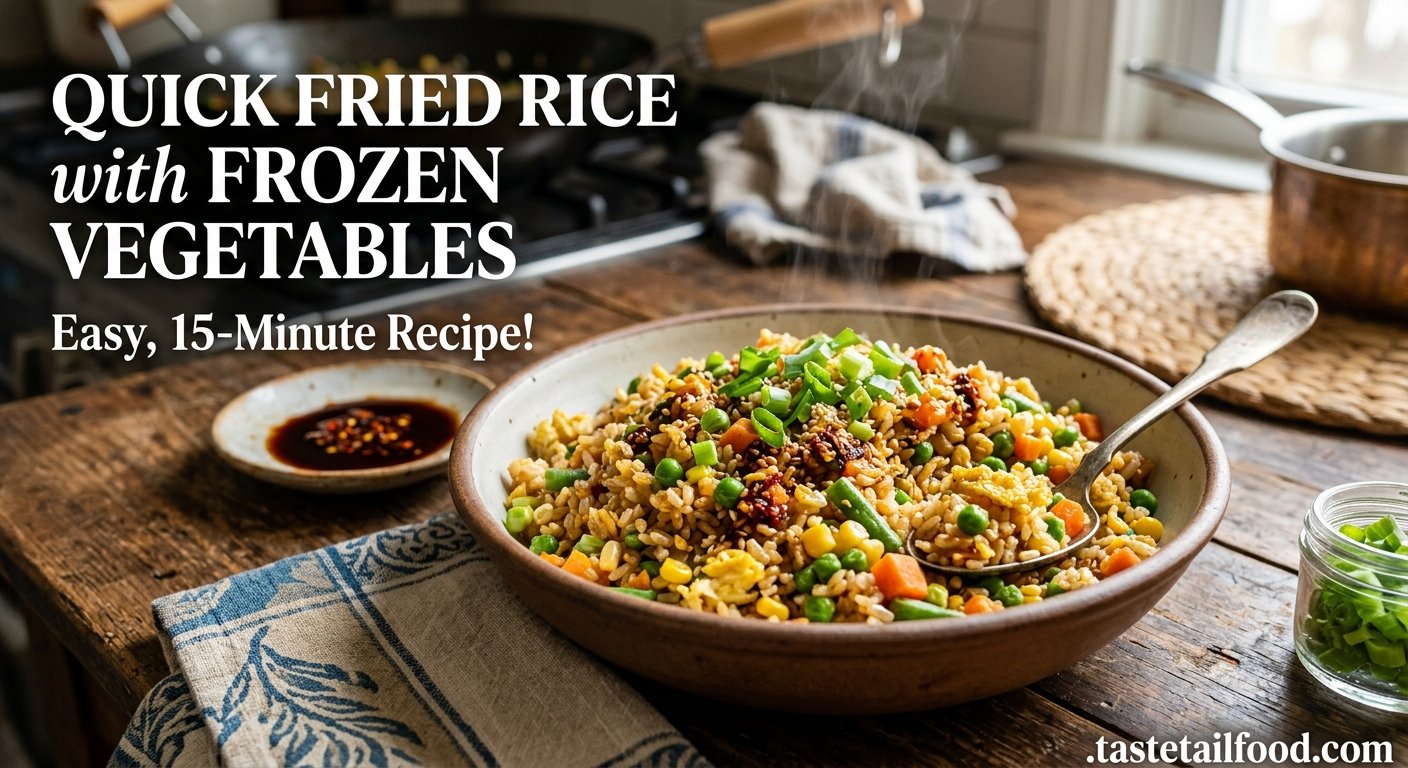
Quick Fried Rice With Frozen Vegetables
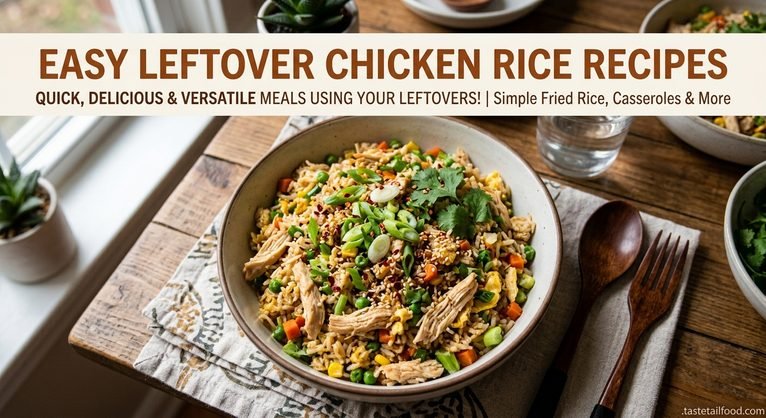
When you need a fast, filling meal without spending a lot of time in the kitchen, quick fried rice with frozen vegetables is one of those recipes worth keeping in your back pocket. It uses simple ingredients, cooks in one pan, and turns leftover rice and a bag of frozen vegetables into a satisfying dinner in minutes.
The best part about this recipe is how flexible it is. You do not need a special type of rice, expensive ingredients, or complicated cooking techniques. Frozen peas, carrots, corn, green beans, or a mixed vegetable blend can all work beautifully. Add eggs for extra protein, or toss in leftover chicken if you want something heartier.
This easy fried rice is especially useful on busy weeknights when you want homemade food but do not want to spend an hour preparing it. Once your rice is ready, the whole dish can come together quickly in a hot skillet.
Why You’ll Love This Quick Fried Rice
There are plenty of reasons to make fried rice with frozen vegetables. First, it is incredibly convenient. Frozen vegetables are already cleaned, cut, and ready to use, so there is almost no vegetable preparation involved.
Second, this recipe is budget-friendly. Rice, frozen vegetables, eggs, and a few basic seasonings are inexpensive ingredients that can create a complete and flavorful meal.
You will also love how customizable it is. You can make the fried rice mild or spicy, add different vegetables, include chicken or shrimp, or keep it completely vegetarian.
Most importantly, it tastes like a proper homemade meal even though it comes together quickly.
Ingredients for Quick Fried Rice With Frozen Vegetables
You only need a handful of everyday ingredients.
Cooked Rice
Cold, cooked rice works best for fried rice. Leftover white rice is especially convenient because it has had time to dry slightly in the refrigerator.
You can also use brown rice, jasmine rice, basmati rice, or another cooked grain you already have available.
Frozen Vegetables
Use your favorite frozen vegetable mix. Peas and carrots are classic, but mixed vegetables containing corn, green beans, and other vegetables work just as well.
There is no need to thaw the vegetables first. You can add them directly to the hot pan.
Eggs
Eggs add protein, texture, and richness. They also give fried rice its familiar appearance and flavor.
If you do not want eggs, simply leave them out and add another protein or extra vegetables.
Cooking Oil
A neutral cooking oil such as vegetable, canola, sunflower, or avocado oil works well. You need enough oil to prevent sticking and help the ingredients cook evenly.
Garlic
Fresh minced garlic adds a wonderful savory flavor. If you do not have fresh garlic, a small amount of garlic powder can work in a pinch.
Soy Sauce
Soy sauce provides saltiness and the classic savory flavor associated with fried rice. Add it gradually because different soy sauces vary in saltiness.
Black Pepper
Freshly ground black pepper adds a little warmth and balances the savory flavors.
Optional Ingredients
You can also add:
- Green onions
- Sesame oil
- Red pepper flakes
- Fresh ginger
- Cooked chicken
- Cooked shrimp
- Diced ham
- Scrambled tofu
- Hot sauce
What Kind of Rice Is Best?
The secret to good fried rice is often the rice itself.
Freshly cooked rice contains more moisture, which can make fried rice soft or sticky. Cold leftover rice is usually better because it has dried slightly in the refrigerator.
If you only have freshly cooked rice, do not worry. Spread it out on a large plate or baking sheet and allow it to cool for a while. You can also refrigerate it before cooking.
Long-grain rice, jasmine rice, and basmati rice are all good choices because the grains tend to remain separate after cooking.
The goal is simple: you want rice that can move around the pan without turning into one large sticky mass.
How to Make Quick Fried Rice With Frozen Vegetables
Step 1: Prepare Your Ingredients
Before turning on the stove, gather everything you need.
Fried rice cooks quickly, so having the ingredients ready makes the process much easier. Break up any large clumps of cold rice with your hands or a spoon.
If you are using garlic, mince it ahead of time. Keep your frozen vegetables nearby and have the soy sauce ready.
Step 2: Heat the Pan
Place a large skillet, wok, or nonstick frying pan over medium-high heat.
Allow the pan to become hot before adding the oil. A hot pan helps the rice fry instead of simply steaming.
Add a little oil and swirl it around the bottom of the pan.
Step 3: Cook the Eggs
Crack the eggs into the pan and gently scramble them.
Cook until they are mostly set but still soft. Remove them temporarily and place them on a plate.
This small step helps prevent the eggs from becoming overcooked while the rice and vegetables are frying.
Step 4: Add the Frozen Vegetables
Add the frozen vegetables directly to the hot skillet.
You do not have to thaw them first.
Cook them for several minutes, stirring regularly. The vegetables will release some moisture as they heat, so continue cooking until most of that moisture has evaporated.
This helps keep your fried rice from becoming watery.
Step 5: Add Garlic
Add minced garlic and stir it into the vegetables.
Cook for about 30 seconds to a minute, just until the garlic becomes fragrant. Be careful not to burn it because burnt garlic can make the entire dish taste bitter.
Step 6: Add the Rice
Add your cold cooked rice to the pan.
Use your spatula to break apart any remaining clumps. Stir everything together so the rice gets mixed with the vegetables and garlic.
Let the rice sit against the hot pan for short periods between stirring. This gives the grains a chance to become slightly toasted.
Step 7: Season the Rice
Drizzle soy sauce around the rice rather than pouring it all in one spot.
Stir well so the seasoning is distributed evenly.
Add black pepper and any additional seasoning you prefer. If you like spicy fried rice, add red pepper flakes or a little hot sauce.
Remember that you can always add more seasoning later, but you cannot easily remove excess salt.
Step 8: Return the Eggs
Add the cooked scrambled eggs back to the skillet.
Break them into smaller pieces with your spatula and mix them throughout the rice.
At this point, the fried rice should look colorful, fluffy, and evenly combined.
Step 9: Finish and Serve
Taste the fried rice and adjust the seasoning if necessary.
For an extra layer of flavor, add a tiny drizzle of sesame oil at the end. You can also sprinkle sliced green onions over the top.
Serve immediately while the fried rice is hot.
Tips for the Best Fried Rice
Making fried rice is easy, but a few small techniques can make a big difference.
Use Cold Rice
Cold rice is one of the most important tricks. It is firmer and less wet than freshly cooked rice, which helps the grains stay separate.
Do Not Overcrowd the Pan
A large pan gives the ingredients enough room to cook properly. If the pan is too crowded, the ingredients may steam instead of fry.
If you are making a large batch, cooking in two batches may actually give you better results.
Keep the Heat Relatively High
Fried rice benefits from a hot cooking surface. Medium-high heat is usually enough for a home kitchen.
Keep stirring, but do not constantly move the rice around. Giving it a little contact with the pan helps develop better flavor.
Do Not Thaw Frozen Vegetables
One of the reasons this recipe is so convenient is that frozen vegetables can go straight into the pan.
There is no need to spend extra time thawing them.
Add Soy Sauce Carefully
Soy sauce adds plenty of flavor, but too much can make the rice salty and wet.
Start with a small amount and add more if needed.
Add Sesame Oil at the End
If you enjoy sesame flavor, use sesame oil as a finishing ingredient rather than the main cooking oil.
A small amount can add a noticeable nutty aroma.
Can You Use Fresh Vegetables?
Absolutely.
Although this recipe is designed around frozen vegetables, fresh vegetables can be used if that is what you have available.
Small pieces of carrots, bell peppers, cabbage, broccoli, mushrooms, onions, or zucchini can all work.
The main difference is that fresh vegetables may require slightly more preparation and cooking time.
Frozen vegetables are simply the easiest option when you want a truly quick meal.
Can You Add Chicken?
Yes. Chicken fried rice with frozen vegetables is an easy way to turn this recipe into a more substantial meal.
Use cooked chicken that has already been sliced or chopped into small pieces. Leftover roasted chicken, grilled chicken, or rotisserie chicken works particularly well.
Add the cooked chicken after the vegetables have heated through and allow it to warm before mixing in the rice.
This is also a great way to use leftovers instead of letting them go to waste.
Can You Make This Fried Rice Without Eggs?
Definitely.
If you do not eat eggs or simply do not have any available, you can leave them out.
Add extra vegetables, cooked chicken, tofu, shrimp, or another protein instead.
The rice will still be flavorful because the vegetables, garlic, soy sauce, and seasonings provide plenty of taste.
How to Make Vegetarian Fried Rice
To make vegetarian fried rice, simply use your favorite frozen vegetable mixture and skip the meat.
Keep the eggs if you eat them, or leave them out for a completely egg-free version.
For extra protein, you can add tofu, edamame, or another plant-based ingredient.
Always check your soy sauce and other sauces if you need the finished meal to meet specific dietary requirements.
How to Make Spicy Fried Rice
If you enjoy heat, there are several easy ways to make this fried rice spicy.
Add red pepper flakes while the vegetables cook, or stir in a little chili sauce with the soy sauce.
Fresh sliced chili peppers can also add both heat and freshness.
For a milder spicy flavor, simply add a small amount and taste before adding more.
How to Store Leftover Fried Rice
Allow leftover fried rice to cool and place it in a covered container.
Refrigerate it promptly rather than leaving it at room temperature for a long period.
When you are ready to eat it, reheat it thoroughly until it is steaming hot.
For the best texture, use leftovers within a few days and avoid repeatedly cooling and reheating the same batch.
Can You Freeze Fried Rice?
Yes, fried rice can be frozen.
Allow it to cool properly before placing it into a freezer-safe container or portion-sized bags.
Freezing individual portions can make future meals especially convenient. When you want a quick lunch or dinner, you can reheat one portion instead of defrosting the entire batch.
The texture may be slightly different after freezing, but the flavor can still be very good.
What to Serve With Fried Rice
This quick fried rice can easily be served as a complete meal, especially when it contains eggs or another protein.
If you want to serve it as part of a larger meal, try pairing it with:
- Grilled chicken
- Stir-fried vegetables
- Crispy tofu
- Teriyaki chicken
- Garlic shrimp
- Spring rolls
- Cucumber salad
- Steamed broccoli
You can also top each serving with green onions, sesame seeds, or a little chili sauce.
Common Mistakes to Avoid
Even a simple fried rice recipe can go wrong if the pan becomes too crowded or the rice contains too much moisture.
One common mistake is using a large amount of sauce. More soy sauce does not necessarily mean more flavor. It can make the rice overly salty and wet.
Another mistake is cooking everything at once. Cooking the eggs separately gives you better control over their texture.
Finally, avoid adding wet ingredients in large amounts. Fried rice should be relatively dry and lightly coated rather than swimming in sauce.
Easy Variations
One of the best things about quick fried rice with frozen vegetables is that you can change it depending on what you have.
Garlic Fried Rice
Use extra garlic and finish with sliced green onions for a simple, savory version.
Chicken Fried Rice
Add chopped cooked chicken for a protein-rich dinner.
Shrimp Fried Rice
Cook small shrimp in the skillet before adding the vegetables, then continue with the recipe.
Spicy Vegetable Fried Rice
Add chili flakes, hot sauce, or sliced fresh chilies for extra heat.
Pineapple Fried Rice
For a sweet and savory twist, add small pieces of pineapple near the end of cooking.
Brown Rice Fried Rice
Use cooked brown rice instead of white rice for a heartier texture.
Frequently Asked Questions
Can I use frozen rice for fried rice?
Yes. If you have frozen cooked rice, thaw it safely and break apart the grains before adding it to the pan.
Do I need to thaw frozen vegetables?
No. You can add frozen vegetables directly to the hot skillet.
Why is my fried rice soggy?
Excess moisture is usually the main reason. Very wet rice, too many vegetables, overcrowding the pan, or adding too much sauce can all make fried rice soggy.
What rice is best for quick fried rice?
Cold leftover long-grain, jasmine, or basmati rice works very well because the grains tend to stay separate.
Can I make this recipe without soy sauce?
Yes. You can use another savory sauce or season the rice with salt, pepper, garlic, and other seasonings you enjoy.
Is fried rice good for meal prep?
Yes. It is convenient for meal prep because it stores and reheats well when handled and refrigerated properly.
Final Thoughts
Quick fried rice with frozen vegetables is exactly the kind of recipe that makes everyday cooking easier. You do not need fancy ingredients or complicated steps. With cold cooked rice, a bag of frozen vegetables, eggs, garlic, and a few simple seasonings, you can create a flavorful meal in a short amount of time.
It is also a great recipe for using what you already have in your refrigerator and pantry. Add leftover chicken, change the vegetables, make it spicy, or keep it simple.
Once you learn the basic method, you can make your own version whenever you need a fast homemade dinner. The combination of lightly toasted rice, colorful vegetables, fluffy eggs, and savory seasoning makes this simple fried rice satisfying enough for a weeknight meal while still being easy enough for beginners.
If you have leftover rice waiting in the refrigerator and a bag of frozen vegetables in the freezer, you already have most of what you need for a delicious meal.