Air Fryer Coconut Chicken Tenders with Mango Dip
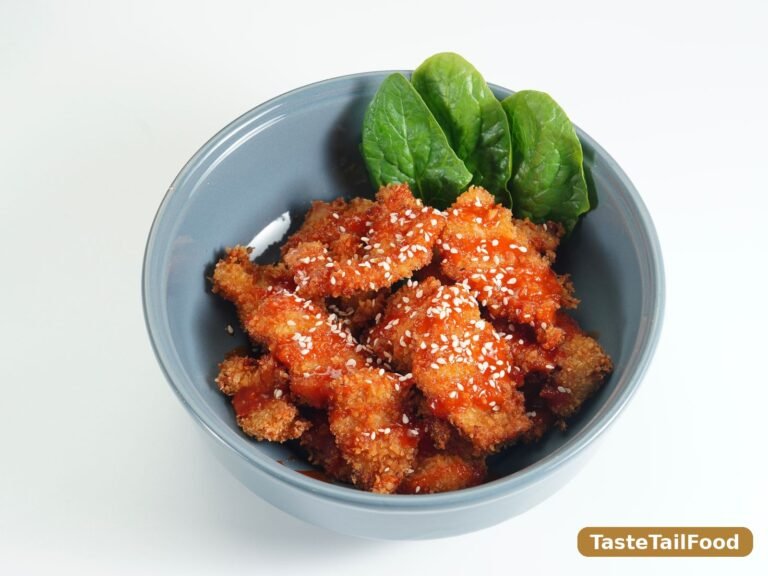
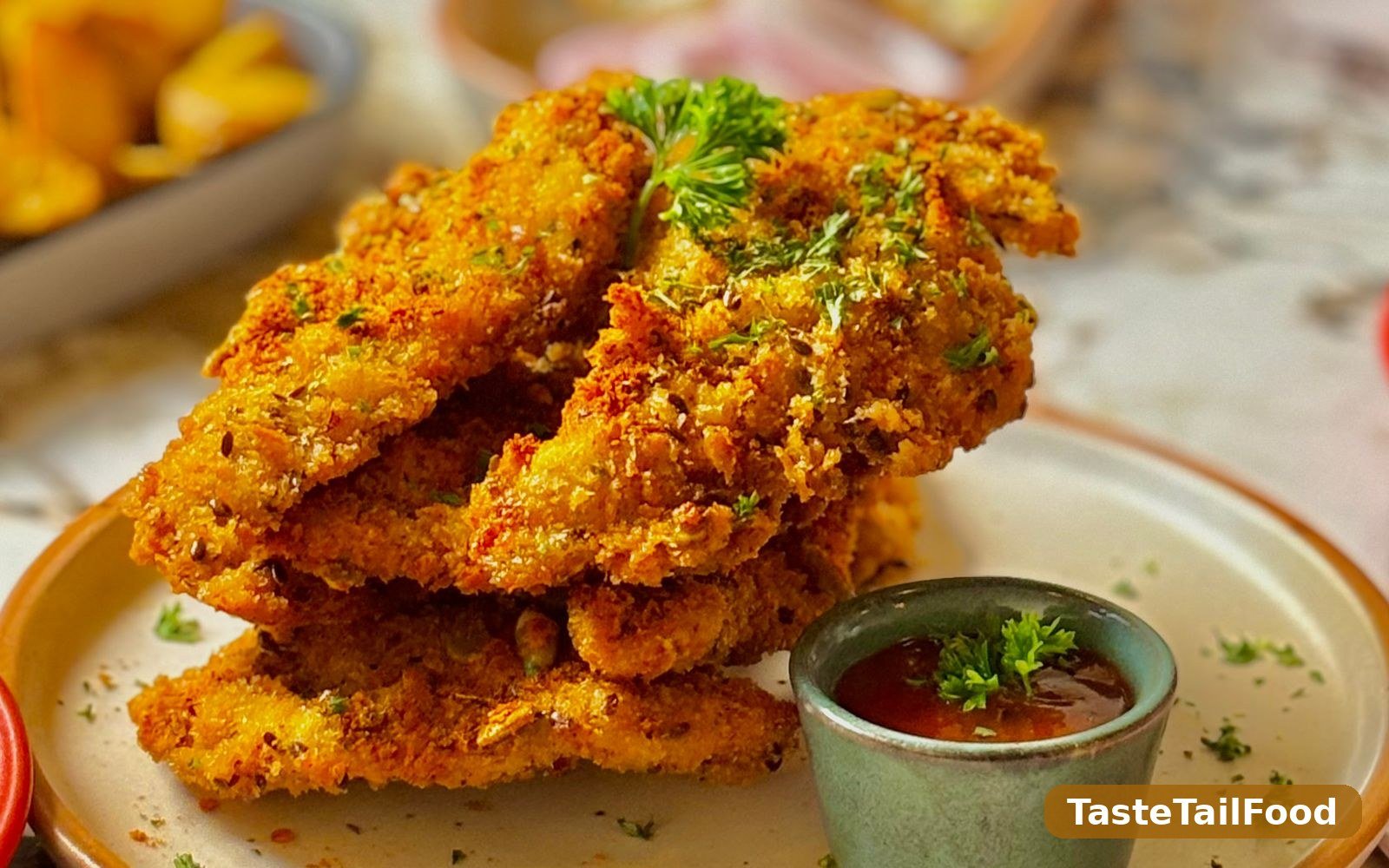
There is a particular kind of quiet that falls over the dinner table when something genuinely good lands in the middle of it, and these coconut chicken tenders have caused that quiet in my house more times than I can count. The first bite is all crunch — golden, toasty coconut that shatters a little as you bite through it — and then you get to the chicken inside, which is still juicy and tender because the air fryer cooks it fast and the coconut coating locks the moisture in. Then there is the mango dip, sweet and just a little tangy, and honestly, it is the part people keep asking about long after the plates are cleared. I first made these on a Friday evening when I wanted something that felt like a treat but did not involve standing over a pan of hot oil, and they have been in our regular rotation ever since.
Coconut and chicken might sound like an unusual pairing if you have never tried it, but the moment you taste it, it makes complete sense. The coconut toasts in the air fryer and turns nutty and almost caramelised at the edges, which is a beautiful contrast to the mild, savoury chicken underneath. It is a tropical flavour without being fussy about it, the kind of thing that makes an ordinary weeknight dinner feel like you have put real thought into it, even though the whole thing comes together in about half an hour. My kids call them “the crunchy chicken” and ask for them by that name, which tells you everything you need to know about how they go down with picky eaters.
The air fryer is what makes this recipe so practical. Deep-fried coconut chicken is lovely, but it is messy, it uses a lot of oil, and the coconut can burn before the chicken is cooked through if the oil is even slightly too hot. In the air fryer, the hot air circulates evenly around each tender, the coconut toasts gradually and evenly, and you get that deep golden colour with just a light spray of oil. Cleanup is a quick wipe of the basket instead of a pan full of used oil, and the kitchen does not smell like a chip shop for the rest of the evening. If you are still getting to know your air fryer, this is one of the best recipes to build confidence with, because the results are so reliably good.
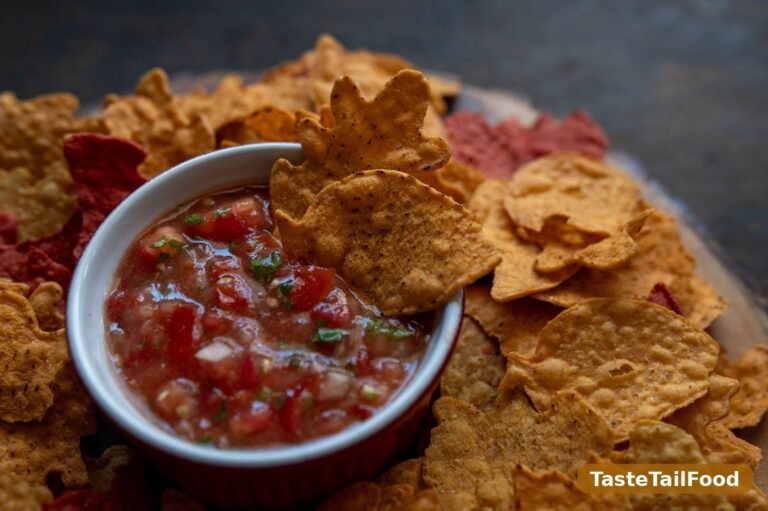
The mango dip is what turns good chicken tenders into something people remember. You can make it with a ripe fresh mango, which is my preference when they are in season, or with frozen mango chunks, which work beautifully and save you the job of peeling and cutting. A little lime juice, a spoonful of honey, and a pinch of chilli flakes are all it needs. It takes five minutes in a blender and it keeps in the fridge for days, which means you can make it in the morning and forget about it until dinner. I have served this dip with grilled chicken, with prawns, and once, memorably, as a sandwich spread, but it belongs with these tenders more than anywhere else.
What I like most about this recipe is how it suits almost any occasion. Make a big batch for a family dinner with rice and a crunchy salad, and it feels like a proper meal. Cut the tenders smaller and serve them with cocktail sticks and the dip in a little bowl, and you have party food that disappears in minutes. Pack the leftovers cold for lunch the next day and they are still good, dipped in the leftover mango sauce. It is one of those rare recipes that is easy enough for a Tuesday, impressive enough for guests, and flexible enough to fit whatever you have going on.
Why You’ll Love This Recipe
First of all, it is genuinely easy, and I mean that in the practical sense, not the cookbook sense where “easy” still means forty minutes of chopping. The chicken gets cut into strips, dipped in flour, egg, and the coconut crumb, and then it goes into the air fryer. That is the whole job. There is no marinating overnight, no complicated sauce that needs reducing on the stove, and no juggling of three pans at once. From the moment you start cutting the chicken to the moment you sit down to eat, you are looking at about thirty minutes, and ten of those are hands-off while the air fryer does its work. On nights when I get home late and everyone is already asking what is for dinner, this is the recipe I reach for, because I know it will be on the table before anyone has time to complain.
The texture is the second reason this recipe earns its place in the regular rotation, and it is worth talking about properly, because it is what sets these tenders apart from every other chicken tender recipe out there. The coating is a mix of shredded coconut and panko breadcrumbs, and that combination matters. The panko gives you the sturdy, even crunch, while the coconut toasts into something sweeter and more delicate, with little crisp edges that catch the light and the flavour. Inside, the chicken stays properly juicy, because the coating seals in the moisture and the air fryer cooks fast enough that the meat never has time to dry out. It is a contrast you notice with every bite — shatteringly crisp outside, tender inside — and it is the kind of thing that makes people reach for a second piece before they have finished the first.
The flavour is just as good as the texture, and it is the sort of flavour that works for almost everyone at the table. The coconut brings a gentle sweetness that kids love, the mango dip adds a bright, fruity tang that grown-ups appreciate, and a pinch of chilli in the dip gives it just enough warmth to keep things interesting without making it spicy. You can leave the chilli out entirely if you are cooking for small children, or add a little extra if your family likes heat. Nothing about this recipe is fixed in stone, and that is part of its charm. If you enjoy this style of air fryer cooking, you will also love these crispy air fryer potatoes without flour, which use the same fuss-free air fryer method with a completely different flavour.
It is also a recipe that is kind to your kitchen and your schedule. Because the air fryer does the cooking, there is no oil splattering across the hob, no deep-fryer smell hanging around the house, and no big pile of washing up at the end. The mango dip can be made ahead, the chicken can be coated an hour or two before cooking and kept in the fridge, and the tenders reheat beautifully the next day. I have made a double batch for a birthday gathering and served them at room temperature with the dip, and they were gone within twenty minutes. Simple, reliable, and delicious is a combination that never goes out of style, and these coconut chicken tenders deliver all three without any drama.
Ingredients You’ll Need
- 700 g (about 1 1/2 lbs) chicken breast or chicken tenders, cut into even strips
- 1/2 cup plain flour
- 1 teaspoon garlic powder
- 1 teaspoon paprika
- 1/2 teaspoon ground cumin
- 1/2 teaspoon fine sea salt
- 1/2 teaspoon black pepper, freshly ground
- 2 large eggs, beaten
- 1 tablespoon milk
- 1 cup unsweetened shredded coconut
- 1 cup panko breadcrumbs
- 1 tablespoon finely chopped fresh coriander (optional)
- Olive oil spray or cooking spray, for the air fryer basket and the tenders
- 1 ripe mango, peeled and diced, or 1 1/2 cups frozen mango chunks, thawed
- 2 tablespoons honey
- 1 tablespoon fresh lime juice
- 1 tablespoon Greek yoghurt or mayonnaise
- 1/4 teaspoon chilli flakes, plus extra to taste
- 1 small clove garlic, finely grated (optional)
- Lime wedges and extra coriander, for serving
How to Make Air Fryer Coconut Chicken Tenders with Mango Dip
Start with the mango dip, because it only gets better if it has a little time to sit while the chicken cooks. Put the diced mango, honey, lime juice, Greek yoghurt, chilli flakes, and the grated garlic if you are using it into a blender or a small food processor, and blitz until it is completely smooth. Taste it before you decide it is finished. A mango that is very sweet might need an extra squeeze of lime, and one that is slightly underripe might want another teaspoon of honey. You are aiming for a dip that is sweet first, tangy second, and warm with chilli right at the end. Pour it into a small bowl, cover it, and set it aside in the fridge. If you have made it an hour or two ahead, even better — the flavours settle and deepen, and the dip thickens slightly as it chills.
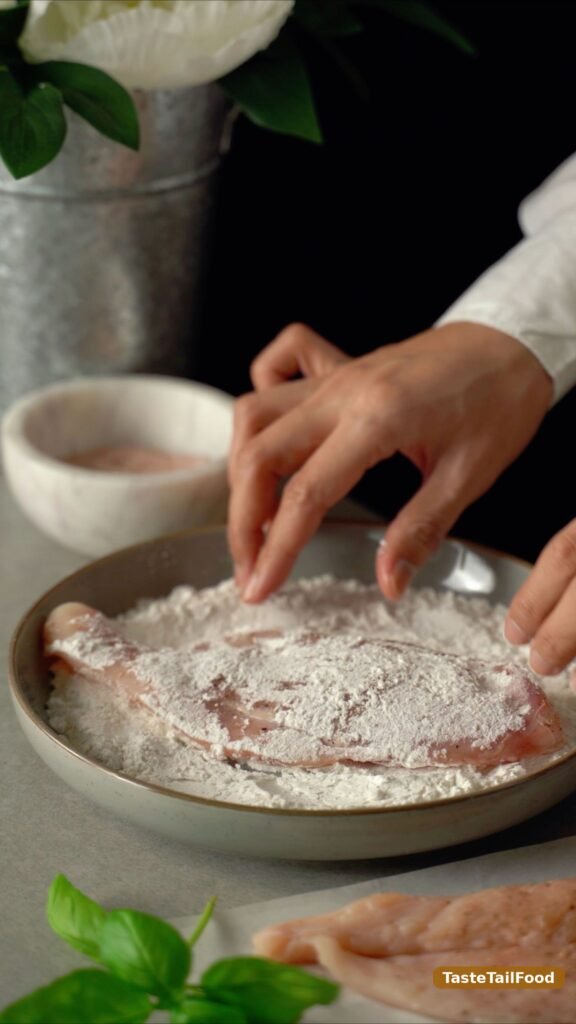
Now set up your coating station, which is the part that makes the whole job feel organised instead of chaotic. You need three shallow bowls or plates lined up in a row. In the first, stir together the flour, garlic powder, paprika, cumin, salt, and pepper. In the second, whisk the eggs with the milk until they are well combined. In the third, mix the shredded coconut and the panko breadcrumbs together with your fingers, breaking up any clumps of coconut so the mixture is even. This three-bowl system is the same one used for any breaded chicken, and it is worth doing properly, because it keeps your hands from turning into a sticky mess and it makes the coating stick the way it should. If you prefer your chicken without a breadcrumb coating, these crispy chicken without breadcrumbs use a different technique that is worth trying too.
Cut the chicken into strips about two centimetres wide and roughly the length of your finger. Try to keep them as even as you can, because strips that are all the same size cook at the same rate, and that is the difference between tenders that are all golden at the same time and a batch where half are perfect and half are overdone. Pat the strips dry with paper towels, which helps the flour stick and stops the coating sliding off in the air fryer. Take one strip at a time and dredge it in the seasoned flour, shaking off the excess, then dip it in the egg so it is fully coated, and finally press it into the coconut and panko mixture, turning it over and pressing gently so the coating really sticks. Set each finished tender on a plate or a tray lined with parchment, and do not stack them, because the coating will stick to itself and peel off when you separate them.
Preheat your air fryer to 190°C (375°F) for three to four minutes while you finish coating the chicken. A hot basket is important, because the tenders start crisping the moment they hit the heat instead of sitting in a cold basket and steaming. Lightly spray the basket with oil, then arrange the tenders in a single layer with a little space between each one. This matters more than almost anything else in the recipe. If the tenders are crowded together, the hot air cannot circulate properly and the coating stays pale and soft where the pieces touch. Cook in batches if you need to — it is better to do two quick batches than one crowded one. Spray the tops of the tenders lightly with oil, which helps the coconut toast to that deep golden colour.
Cook the tenders for ten to twelve minutes, turning them over halfway through and giving the second side a light spray of oil as well. You are looking for a coating that is deeply golden and crisp, with the coconut toasted but not burnt, and chicken that is completely cooked through. The safest check is a meat thermometer pushed into the thickest tender — you want it to read 74°C (165°F). If you do not have a thermometer, cut into the thickest piece and check that the meat is white all the way through with clear juices. Thicker strips may need an extra minute or two, and if your air fryer runs hot, check a minute early, because coconut goes from golden to burnt faster than plain breadcrumbs. Let the tenders rest for two or three minutes after cooking, which lets the coating set and the juices settle, then serve them warm with the mango dip and lime wedges.
Tips for Perfect Coconut Chicken Tenders
The single biggest tip I can give you is to use unsweetened shredded coconut, not the sweetened kind you find in the baking aisle. Sweetened coconut contains added sugar that burns quickly in the hot air of the fryer, and it makes the coating taste more like a dessert than a savoury dinner. Unsweetened coconut toasts gently, turns nutty and golden, and lets the mango dip provide the sweetness instead. If you can only find sweetened coconut, reduce the cooking temperature slightly and check the tenders a couple of minutes early, but unsweetened is worth looking for. The same goes for the coconut flakes versus shredded debate — shredded coconut coats more evenly, while large flakes can fall off in the basket, so shredded is the safer choice.
Keep the tenders in a single layer and cook in batches, even if it feels slower. I know it is tempting to squeeze everything into the basket at once when you are hungry, but crowded tenders steam instead of crisping, and the whole point of this recipe is that crunch. Two batches of eight tenders take about twenty-five minutes in total, which is still faster than heating a big pan of oil and frying them in the traditional way. While the first batch cooks, keep the coated tenders waiting on their tray in the fridge, not at room temperature, so the coating stays firm and the chicken stays cold and safe.
Spray the oil, do not pour it. A light, even mist over the tops of the tenders is all you need to help the coconut toast and brown. Too much oil makes the coating greasy and heavy, and it can drip into the basket and smoke. An oil spray bottle or a can of cooking spray both work well. If you do not have a spray, you can brush the tenders very lightly with a pastry brush dipped in oil, but go gently. For more ideas on what your air fryer can do, the BBC Good Food air fryer recipes collection is full of useful inspiration, from weeknight dinners to clever snacks.
Check for doneness with a thermometer if you have one. Chicken tenders are thin, so they cook quickly, but the coating can look perfectly golden while the inside is still catching up, especially with thicker strips. The safe internal temperature for chicken is 74°C (165°F), and a quick-read thermometer takes the guesswork out completely. If you cook chicken often, it is one of the most useful tools you can own, and it will save you from both undercooked chicken and the dry, overcooked kind that comes from cooking out of caution.
Finally, taste the mango dip and adjust it before you serve it. Mangoes vary enormously — some are honey-sweet, some are sharp, and frozen mango can be milder than fresh. The dip should taste bright and balanced, never flat. A little more lime wakes it up, a little more honey rounds it out, and a pinch of salt, strange as it sounds, can make the mango flavour pop. Make it your own. The BBC Good Food mango recipes collection has plenty of ideas for using up any leftover mango, from salads to desserts.
Variations to Try
Once you have the basic recipe down, it is easy to make it your own. For a spicier version, add half a teaspoon of cayenne pepper to the flour mixture and a finely chopped fresh chilli to the mango dip. The heat works beautifully against the sweetness of the coconut and the mango, and a little cayenne also gives the coating a gorgeous golden colour. If you like things properly fiery, a few drops of hot sauce stirred into the dip will do the job without changing the texture. On the other hand, if you are cooking for children, leave the chilli out of both the coating and the dip entirely — the tenders are still delicious, and the dip becomes a simple sweet mango sauce that kids genuinely love.
For a Thai-inspired twist, stir a tablespoon of red curry paste into the egg mixture before you dip the chicken, and add a teaspoon of fish sauce and some chopped fresh coriander to the mango dip. The curry paste gives the coating a warm, fragrant depth that is completely different from the original, and it pairs brilliantly with jasmine rice and a cucumber salad. You can also swap the mango dip for a peanut sauce if you prefer something richer — whisk together peanut butter, soy sauce, lime juice, honey, and a little warm water until it is pourable, and serve it warm alongside the tenders.
If you want a lighter version, use chicken breast strips and skip the flour dredge, dipping the chicken straight into the egg and then into a mixture of coconut and crushed cornflakes instead of panko. The cornflakes give a wonderful crunch with a little less density, and the coating stays lighter overall. You can also make these with chicken thigh meat, which is juicier and more forgiving if you accidentally overcook it by a minute or two. Thigh strips need about the same cooking time, so nothing else in the recipe changes. For another approach to crispy chicken that skips the deep fryer entirely, try this homemade crispy chicken without deep frying, which uses a different coating that is just as satisfying.
For a gluten-free version, swap the plain flour for rice flour or a gluten-free flour blend, and replace the panko with gluten-free breadcrumbs or crushed gluten-free crackers. The coconut itself is naturally gluten-free, so the swap is straightforward. You can also make a smaller, bite-sized version for parties by cutting the chicken into chunks instead of strips and reducing the cooking time to about eight minutes. Serve them with cocktail sticks and a bowl of mango dip in the middle of the table, and watch them disappear. They are also brilliant sliced over a salad for lunch, which brings me to the next section.
Serving Ideas
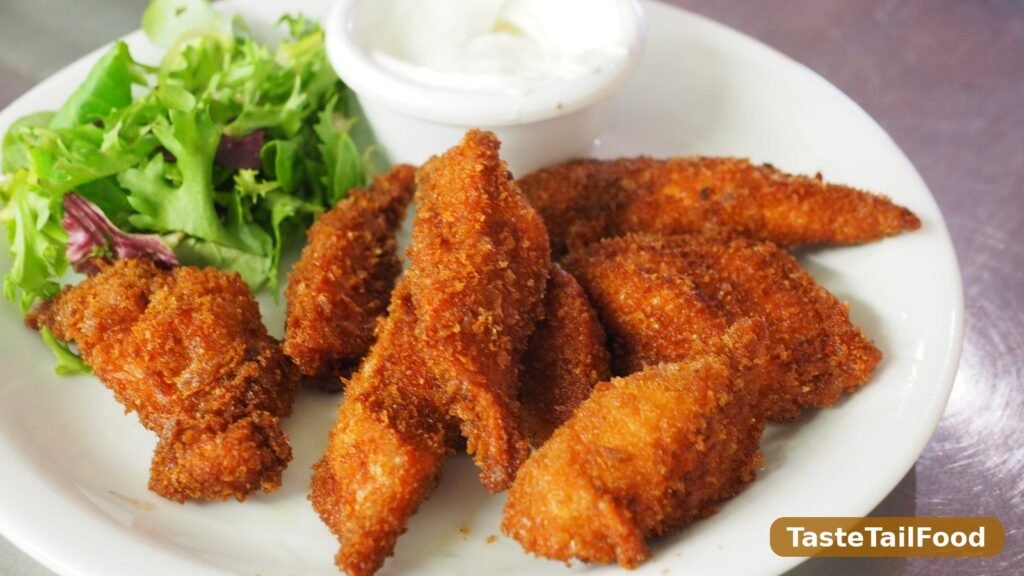
The simplest way to serve these tenders is the way I first made them: piled on a big plate with a bowl of mango dip in the middle, a wedge of lime on each plate, and a crunchy salad on the side. A simple slaw of shredded cabbage, carrot, and spring onion with a lime and honey dressing is perfect, because it is fresh and sharp against the rich, toasty chicken. Add a bowl of steamed jasmine rice or coconut rice and you have a complete dinner that feels like something from a good café, and it is ready in about half an hour from start to finish.
For a family dinner that feels a little more substantial, serve the tenders with roasted sweet potato wedges and steamed green beans, or with a pile of golden fries if you are in the mood for something more relaxed. The mango dip works as a sauce for the sides too, so put the bowl in the middle of the table and let everyone help themselves. If you are feeding a crowd, double the recipe and serve the tenders on a big board with two or three dips — the mango dip, a simple ranch or a sweet chilli sauce — and let people mix and match. It turns dinner into something interactive, which is always more fun.
These tenders also make a wonderful lunch. Slice the leftovers and tuck them into wraps with shredded lettuce, sliced cucumber, and a spoonful of mango dip, or pile them into a sandwich on soft white bread with a little extra dip spread on thick. For a lighter lunch, slice them over a big salad of mixed leaves, mango chunks, red onion, and toasted peanuts, with the mango dip thinned with a little lime juice and water as the dressing. And if you want a quick, cheesy dinner to go with them on another night, these quick cheesy chicken quesadillas for two make a lovely companion meal for a relaxed evening at home.
Storage and Reheating
Leftover coconut chicken tenders keep really well, which is one of the reasons I often make a double batch on purpose. Let them cool completely, then store them in an airtight container in the fridge for up to three days. Keep the mango dip in a separate container — it will last four to five days in the fridge, and it actually tastes better on the second day once the flavours have had time to settle together. The tenders are also lovely cold, sliced into sandwiches or salads, and I often pack them for lunch the next day exactly like that.
To reheat, the air fryer is by far your best friend. Place the tenders in a single layer in the basket and heat them at 180°C (350°F) for three to four minutes, until they are hot all the way through and the coating has crisped up again. The microwave will heat them through in about a minute, but the coating will go soft, so the air fryer is worth the extra few minutes whenever you have them. The oven works too — ten minutes at 190°C (375°F) on a wire rack over a baking tray will bring the crunch back nicely.
For longer storage, these tenders freeze well, although the coating loses a little of its crunch. Let them cool completely, then lay them in a single layer on a baking tray and freeze them for an hour until firm. Transfer them to a freezer bag with the air pressed out, and label it with the date. They will keep for up to two months. Reheat them straight from frozen in the air fryer at 190°C (375°F) for eight to ten minutes, turning them once halfway through. The mango dip does not freeze well, so make it fresh when you are ready to serve the tenders again.
Frequently Asked Questions
Can I use sweetened coconut for this recipe?
You can, but I would not recommend it. Sweetened coconut contains added sugar, which burns quickly in the hot air of the fryer and can make the coating taste more like a dessert than a savoury dinner. Unsweetened shredded coconut toasts gently, turns nutty and golden, and lets the mango dip provide the sweetness instead. If sweetened coconut is all you can find, reduce the air fryer temperature to 180°C (350°F) and check the tenders a couple of minutes early so the coating does not catch and burn.
Can I make these tenders in the oven instead of the air fryer?
Yes, absolutely, and they still turn out well. Arrange the coated tenders on a wire rack set over a baking tray, spray them lightly with oil, and bake them at 200°C (400°F) for eighteen to twenty minutes, turning them over halfway through. The wire rack is important, because it lets the hot air circulate underneath the tenders and keeps the bottom of the coating crisp instead of soggy. They will not be quite as evenly golden as the air fryer version, but they will still be crunchy and delicious.
How do I stop the coconut coating falling off?
Three things matter most. First, pat the chicken completely dry before you start, because moisture stops the flour sticking. Second, press the coconut and panko mixture onto the chicken firmly with your fingers rather than just rolling the strip through it. Third, do not stack the coated tenders on top of each other while you wait to cook them, and leave a gap between them in the basket. If the coating still gives you trouble, you can chill the coated tenders in the fridge for fifteen minutes before cooking, which helps the coating set and stick.
Can I make the mango dip ahead of time?
Yes, and it actually tastes better when it has had time to sit. You can make the dip up to three days ahead and keep it in a sealed container in the fridge. The flavours settle and deepen as it chills, and it thickens slightly, which makes it even better for dipping. If you use frozen mango, thaw it completely first and drain off any excess liquid before blending, so the dip is not too thin. Give it a good stir before serving, and taste it again — you might want an extra squeeze of lime.
What chicken is best for tenders — breast or thigh?
Both work well, and it really comes down to personal preference. Chicken breast gives you the classic tender shape and a lean, mild flavour that lets the coconut coating shine. Chicken thigh meat is juicier and more forgiving if you overcook it by a minute or two, and it has a slightly richer flavour. If you use thighs, cut them into even strips and remove any large pieces of fat. Whichever you choose, keep the strips roughly the same size so they cook evenly.
Can I make these gluten-free?
Yes, the swap is straightforward. Replace the plain flour with rice flour or a gluten-free flour blend, and swap the panko breadcrumbs for gluten-free breadcrumbs or crushed gluten-free crackers. The coconut itself is naturally gluten-free, and the rest of the recipe stays exactly the same. Just check the labels on your breadcrumbs and your chilli flakes, since some brands can contain traces of gluten, and make sure your air fryer basket is clean if you are cooking for someone with coeliac disease.