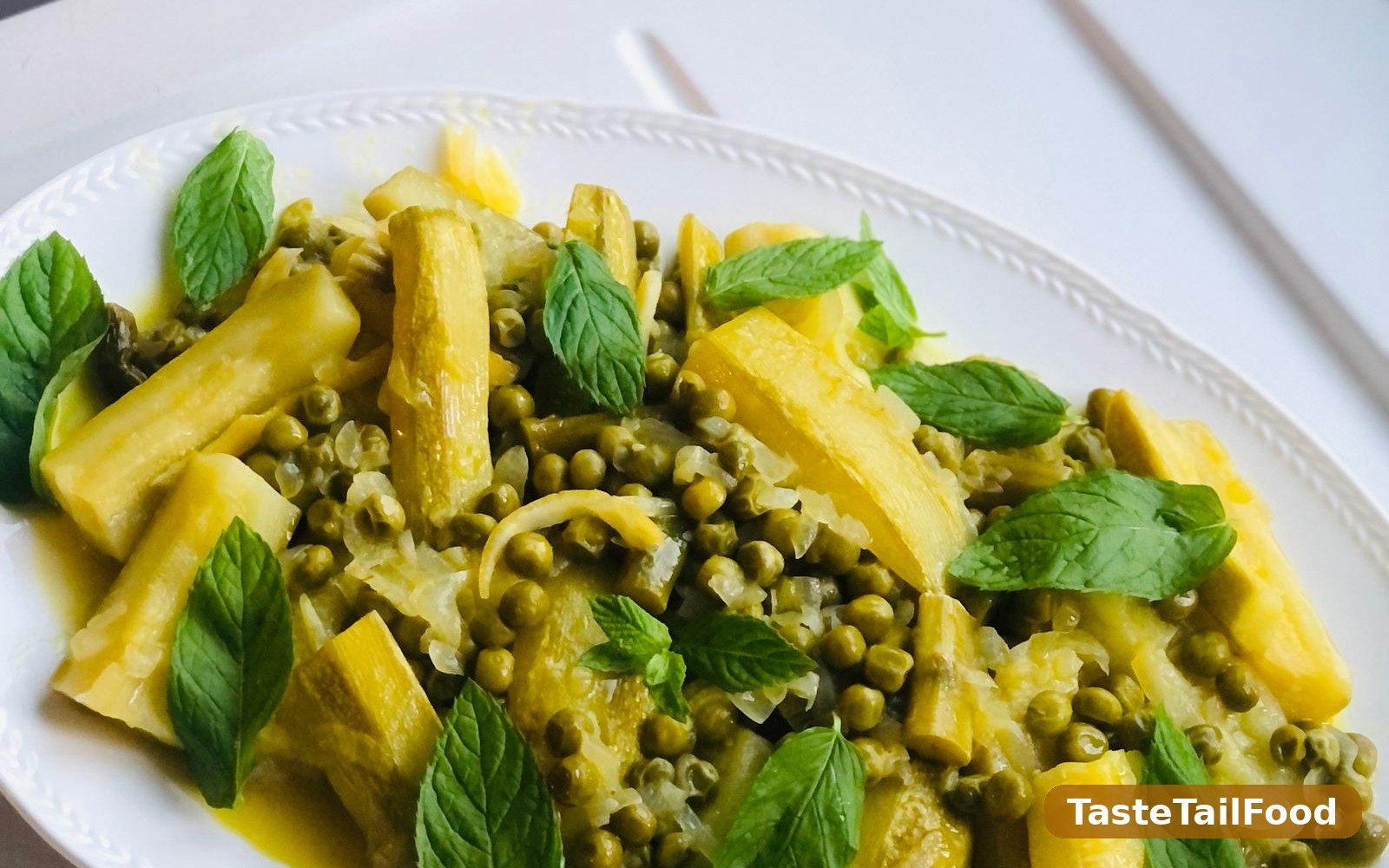
Buttered Peas with Mint and Lemon
Some of the best side dishes are the ones that almost feel too simple to write down. Buttered peas with mint and lemon is exactly that kind of dish. It takes ten minutes, uses a handful of ingredients, and yet it manages to make an ordinary dinner feel properly cooked. I first learned to make peas this way in a small restaurant kitchen years ago, where the cook would toss a pan of peas with butter, a squeeze of lemon, and a handful of mint torn straight from a pot on the windowsill. It seemed almost too easy to be a real recipe, but the moment I tasted them I understood. The peas were sweet and bright, the butter gave them a soft richness, the mint made them taste fresh, and the lemon pulled everything together.
Peas have an unfair reputation as a boring vegetable, the kind of thing that sits quietly on the side of the plate while everything else gets the attention. That is a shame, because a good pea, cooked properly, is one of the sweetest things in the vegetable world. The trouble is that most of us grew up with peas that were cooked far too long, until they went grey and soft and sad. Cook them quickly, for just two or three minutes, and they stay bright green, pop gently when you bite them, and taste like spring. Add butter, mint, and lemon, and suddenly they are not an afterthought at all — they are the thing people ask about.
This is also one of the most useful recipes in my kitchen, because it goes with almost everything. Roast chicken, grilled fish, a simple pasta, lamb chops, a pork roast — peas with mint and lemon sit happily beside all of them. It is quick enough for a weeknight, when dinner needs to be on the table in twenty minutes, and pretty enough for a Sunday roast, when you want the table to look like you made an effort. The mint and lemon lift the whole plate, and the butter ties everything together in a way that plain steamed vegetables never quite manage.
What I love most is how forgiving it is. Frozen peas work beautifully — in fact, they are often sweeter and more consistent than fresh ones, because they are frozen within hours of picking. Fresh peas are wonderful when they are in season, but there is no need to wait for them. A bag of frozen peas, a knob of butter, a lemon, and a few sprigs of mint are all you need, and you probably have most of them already. If you keep those things in the house, you are never more than ten minutes away from a side dish that tastes like you planned it properly.
Why You’ll Love This Recipe
First of all, it is genuinely fast. From the moment you put the pan on the heat to the moment the peas are in the serving bowl is about ten minutes, and most of that is just waiting for the water to boil. There is no chopping, no peeling, and no complicated technique. You can make this dish while the main course is resting, or while the pasta is draining, and it will be ready at exactly the right moment. On busy evenings, that kind of timing is worth its weight in gold.
The flavour is another reason this recipe earns its place in the regular rotation. Butter gives the peas a soft, rich coating that makes them taste indulgent without being heavy. Mint adds a cool freshness that cuts through the richness and makes the whole dish taste bright and alive. Lemon zest and juice bring a gentle sharpness that wakes up the natural sweetness of the peas. Together, the three of them do something that none of them could do alone — they turn a plain bowl of peas into a dish that tastes thoughtful and complete. If you like simple vegetable sides done well, you will love these crispy air fryer potatoes without flour, which take the same approach of a few good ingredients cooked properly.
It is also wonderfully flexible. You can make it with frozen peas straight from the freezer, with fresh peas when they are in season, or even with a mixture of peas and broad beans for a more substantial side. Add a little chopped shallot or spring onion for sweetness, a pinch of chilli flakes for warmth, or a handful of crumbled feta for a saltier, more Mediterranean feel. The basic recipe is a starting point, not a rule, and it is happy to be adapted to whatever is in the fridge and whatever the main course needs.
Finally, this is a recipe that works for everyone at the table. It is naturally vegetarian and gluten-free, it is gentle enough for children — most kids will eat peas happily when they are sweet and buttery — and it is light enough to serve alongside a rich main course without making the meal feel heavy. It scales up easily for a crowd, and it looks beautiful in the serving bowl, all bright green with flecks of mint and lemon zest. A simple dish, done properly, is sometimes the most impressive thing on the table.
Ingredients You’ll Need
- 500 g (about 3 1/2 cups) frozen peas, or 500 g fresh shelled peas
- 2 tablespoons unsalted butter
- 1 tablespoon olive oil
- 1 small shallot, finely chopped (optional)
- 2 cloves garlic, finely minced (optional)
- Zest of 1 lemon
- 1 tablespoon fresh lemon juice
- 3 tablespoons fresh mint leaves, finely chopped, plus extra whole leaves to serve
- 1/2 teaspoon fine sea salt, or to taste
- 1/4 teaspoon black pepper, freshly ground
- 1 teaspoon sugar (optional, only if the peas taste flat)
- 2 tablespoons cold water or vegetable stock
How to Make Buttered Peas with Mint and Lemon
Start by getting a large pan of salted water on the heat. You want plenty of water so the peas cook quickly and evenly, and a good pinch of salt in the water helps them stay bright green and well seasoned from the inside out. While the water comes to the boil, chop the mint, zest the lemon, and have the butter, lemon juice, salt, and pepper ready beside the stove. This dish moves fast once it starts, and having everything prepared beforehand means you will not be scrambling for the lemon while the peas overcook in the pan. If you are using the shallot and garlic, chop those now too, and keep them in a small bowl by the stove.
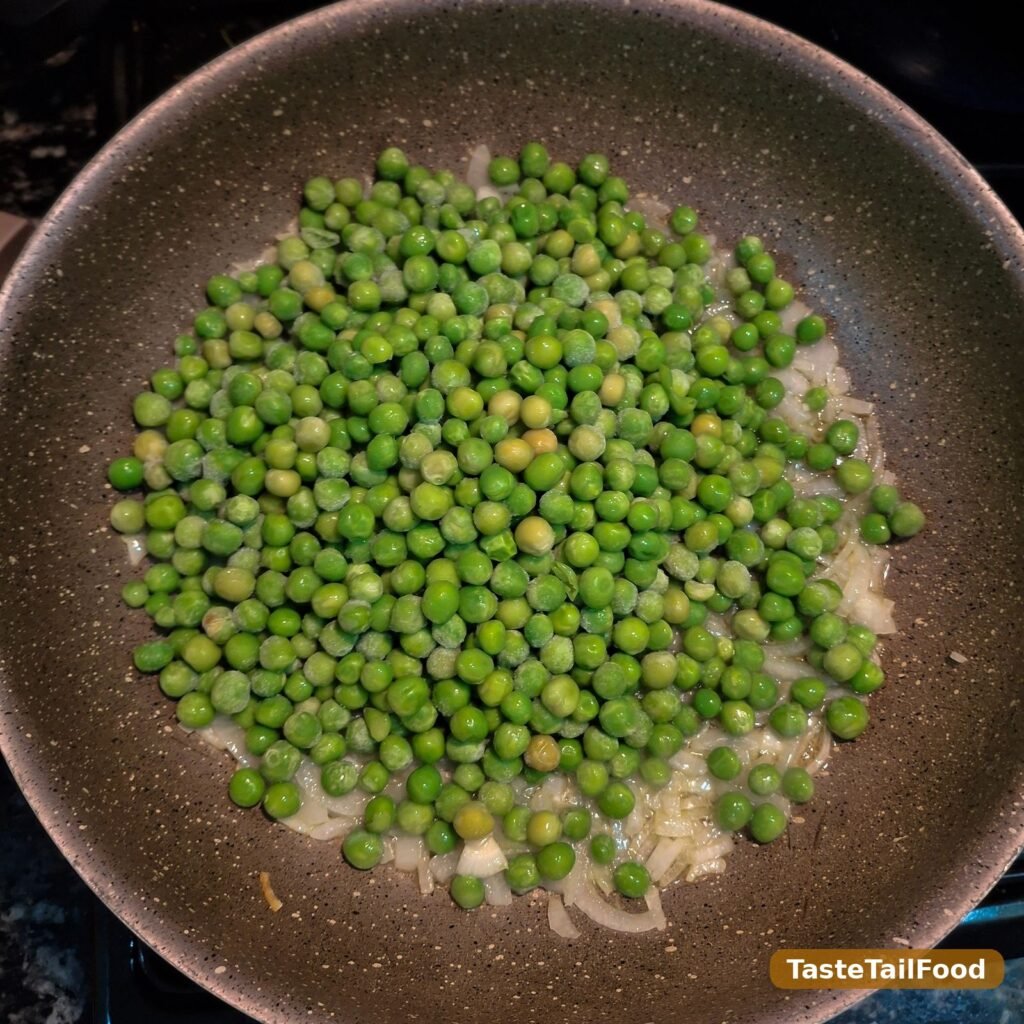
When the water is at a rolling boil, tip in the peas and cook them for just two to three minutes. Frozen peas need about two minutes, fresh peas a minute or two more, depending on their size. You are looking for peas that are bright green, tender, and still holding their shape — they should pop gently when you bite one, not collapse into mush. Taste one after two minutes and trust your own judgement; every bag of peas is a little different, and a minute too long is the difference between bright and dull. As soon as they are done, drain them well in a colander and shake off as much water as you can. Wet peas will dilute the butter and make the dish taste watery, so do not skip this step.
Now melt the butter with the olive oil in the same pan over medium heat. If you are using the shallot, add it now and cook for two minutes until it is soft and sweet-smelling, then add the garlic and cook for just thirty seconds more — garlic burns quickly, and burnt garlic will ruin the whole dish. Tip the drained peas back into the pan, add the two tablespoons of water or stock, and toss everything together for about a minute, until the peas are glossy and coated in butter and heated all the way through. Take the pan off the heat, and stir in the lemon zest, lemon juice, chopped mint, salt, and pepper. Taste and adjust: a little more salt if it tastes flat, a little more lemon if it needs brightness, or a pinch of sugar if the peas are not as sweet as you would like. Serve immediately, scattered with a few extra mint leaves. The whole thing takes ten minutes, and the result sits beautifully beside a main like these honey mustard baked chicken drumsticks, where the fresh mint and lemon cut through the sticky sweetness of the chicken.
Tips for Perfect Buttered Peas
The single biggest tip is to not overcook the peas. This is the mistake that ruins more bowls of peas than anything else. Peas cook in minutes, and they go from perfect to grey and mushy very quickly. Set a timer, taste one at two minutes, and drain them the moment they are tender. Remember that they will keep cooking a little in the hot pan with the butter, so it is better to drain them a touch early than a touch late. If you are nervous, cook a small test spoonful first and taste it — you will learn more from one bite than from any timer.
Use good butter, and do not be shy with it. The butter is not just a cooking fat here; it is the sauce, and it carries the mint and lemon around every pea. A proper unsalted butter, melted gently rather than browned, gives the dish a soft richness that oil alone never will. The olive oil is there mainly to stop the butter burning while you cook the shallot, so do not leave it out if you are using shallot and garlic. And add the mint and lemon off the heat, not while the pan is still on the flame — high heat dulls fresh mint and cooks off the bright flavour of lemon juice, while adding them at the end keeps everything fresh and lively.
Season in layers, and taste as you go. Salt in the cooking water seasons the peas from the inside, salt in the pan seasons them from the outside, and the lemon and mint at the end lift everything up. Each layer matters, and none of them can fix the others if they are missing. If the peas taste flat after you have added everything, it is almost always a lack of salt or lemon, not a lack of butter. Add a little more of each, taste again, and you will be surprised how quickly the dish comes alive. Peas are one of the sweetest vegetables when picked young, and you can read more about the plant itself on the Wikipedia page for the pea if you are curious about why frozen peas are often sweeter than fresh ones that have sat in the fridge for days.
Finally, serve the peas straight away. This is not a dish that improves by sitting around — the mint wilts, the butter cools and dulls, and the peas lose their bright colour. Make it last, while the main course rests or the pasta drains, and carry it to the table while it is still warm and glossy. If you do need to hold it for a few minutes, keep the pan covered and off the heat, and stir in the mint and lemon only at the very last moment.
Variations to Try
Once you have the basic recipe down, it is easy to make it your own. For a Mediterranean version, crumble a little feta over the top and add a handful of chopped flat-leaf parsley alongside the mint. The salty feta and the fresh herbs turn the peas into something that works beautifully with grilled fish or a simple tomato pasta. For a richer version, stir in a spoonful of mascarpone or cream cheese at the end instead of some of the butter — it melts into a soft, creamy coating that makes the peas feel almost luxurious.
For a spring version, add a handful of broad beans, some asparagus tips, or a few sliced spring onions to the pan with the peas. The mixture of green vegetables, all cooked briefly and tossed in the same butter, mint, and lemon, makes a beautiful side for Easter lunch or a spring roast. You can also add a pinch of chilli flakes or a little finely chopped fresh chilli for warmth, which works especially well if the main course is something rich like a pork roast. And if you like this style of quick vegetable side, BBC Good Food is a good place to browse for more ideas, with a wide collection of simple vegetable dishes that use the same few-ingredients-done-well approach.
A lovely variation for a buffet or a picnic is to let the peas cool and toss them into a salad. Stir the buttered peas with some crumbled goat cheese, a handful of rocket, and a few toasted pine nuts, and you have a salad that is far more interesting than it sounds. The peas hold their shape well when cold, and the mint and lemon keep it tasting fresh. You can also mash a portion of the peas roughly with a fork and spread them on toast with a little ricotta for a quick lunch — a trick that turns a side dish into a meal in its own right.
Serving Ideas
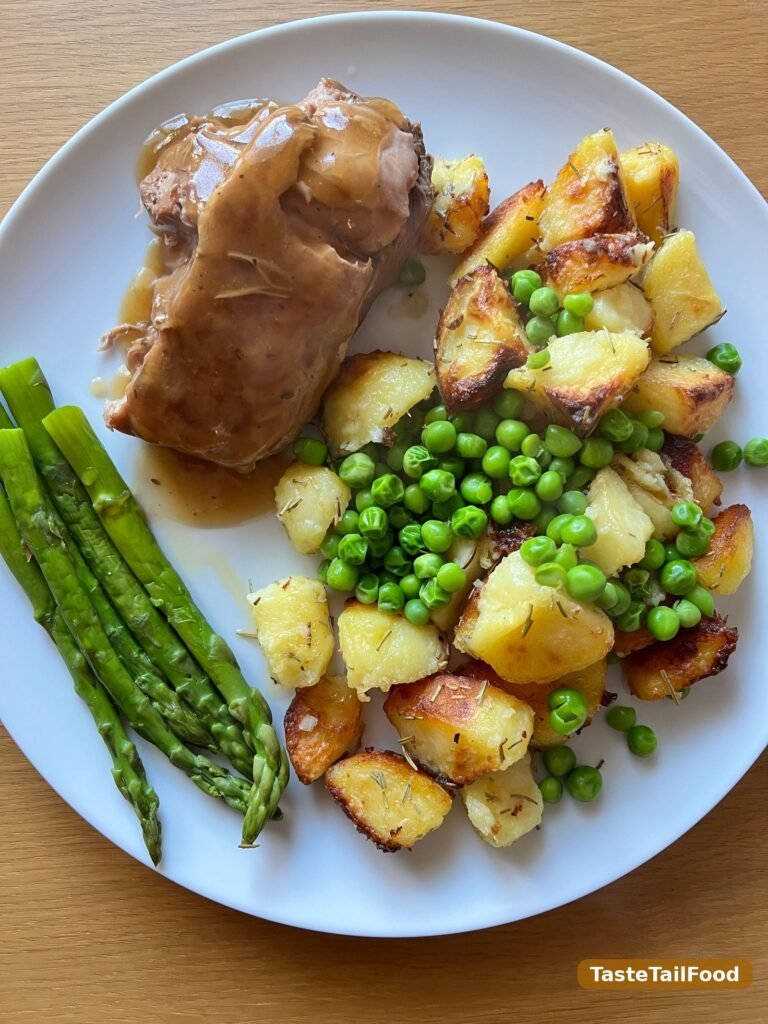
The classic way to serve these peas is beside a roast. Roast chicken, roast lamb, a pork loin, or a baked ham all work beautifully, because the fresh mint and lemon cut through the richness of the meat and the butter in the peas ties the whole plate together. Serve them in a warm bowl at the centre of the table, so people can help themselves, and make sure there is a serving spoon — the peas will go faster than you expect, and nobody wants to chase them around the plate with a fork.
They are just as good with fish. Grilled salmon, baked cod, or a simple piece of pan-fried sea bass all benefit from a bright, fresh side, and the mint and lemon in the peas echo the flavours you would normally put on the fish itself. For a simple weeknight dinner, serve them with pasta — a lemon and garlic spaghetti, or a creamy pasta where the peas add colour and sweetness. They also work with a grain bowl, stirred through warm rice or couscous with a little extra lemon, or spooned over a baked potato. For another easy potato pairing, try these easy potato dinners without cheese, which sit nicely beside the peas on a busy weeknight plate.
For a lighter meal, serve the peas on their own with some good bread and a soft cheese, or as part of a spread of small vegetable dishes — a few salads, some roasted vegetables, a bowl of grains — where everyone helps themselves. Children tend to like these peas more than most vegetables, partly because they are sweet and buttery, and partly because they are fun to eat. If you are feeding picky eaters, let them sprinkle their own mint on top, or leave the mint on the side so they can choose — a small bit of control goes a long way with young eaters.
Storage and Reheating
Leftover buttered peas keep well in the fridge for two to three days in an airtight container. The mint will wilt and the colour will dull a little, but the flavour is still good, and they reheat nicely. To reheat, warm them gently in a pan over low heat with a small knob of fresh butter and a squeeze of lemon, and stir in a little fresh mint at the end to brighten them up again. The microwave works too — heat in short bursts, stirring between each one, so the peas warm evenly without overcooking.
Do not freeze cooked buttered peas if you can avoid it. The peas themselves freeze fine, but the butter sauce and the fresh mint do not survive freezing well, and the result is usually watery and dull. It is much better to keep a bag of frozen peas in the freezer and make the dish fresh, which only takes ten minutes anyway. If you do have a lot of leftover peas, stir them into a soup, a fried rice, or a pasta sauce the next day — they hold up well in those dishes, and you will not notice that they were cooked once already. For a next-day idea, this quick fried rice with frozen vegetables is a good home for leftover peas.
Frequently Asked Questions
Can I use frozen peas for this recipe?
Yes, and frozen peas are actually my first choice for this dish most of the year. They are frozen within hours of picking, when they are at their sweetest, and they cook evenly and reliably. Fresh peas are wonderful in spring when they are young and sweet, but peas that have sat in the fridge for days lose their sweetness quickly. Use frozen peas straight from the freezer, with no need to thaw them first, and cook them for just two minutes.
How do I stop the peas going grey and mushy?
Cook them briefly and drain them the moment they are tender. Two to three minutes in boiling water is enough. Salt in the water helps them keep their colour, and shocking them in cold water is not necessary for this dish — just drain them well and toss them straight into the warm butter. The biggest cause of grey peas is simply cooking them too long, so set a timer and taste one at two minutes.
Can I make this dish without mint?
You can, though the mint is a big part of what makes the dish taste fresh. If you do not like mint, try flat-leaf parsley, basil, or a little chopped dill instead — each one gives a different character, and all of them work with lemon and butter. Tarragon is another good option, with a gentle aniseed flavour that is lovely with peas. Use the same amount as you would mint, and add it off the heat at the end.
Is this recipe suitable for children?
Yes, it is a good one for children. The peas are sweet and soft, the butter makes them appealing, and the mint and lemon are gentle rather than strong. If your children are wary of mint, start with a smaller amount, or serve the mint on the side so they can add their own. Most children will eat peas happily when they are cooked briefly and served warm and buttery, rather than boiled to softness.
Can I prepare buttered peas ahead of time?
You can prepare everything in advance, but cook the peas at the last minute. Chop the mint, zest the lemon, and measure out the butter and seasonings ahead of time, and keep them ready beside the stove. The actual cooking takes only a few minutes, so the dish is best made fresh while the main course rests. If you do need to hold it, keep it covered off the heat for no more than ten minutes, and add the mint and lemon just before serving.
What main dishes go best with buttered peas?
Almost anything, but they are at their best beside roast chicken, grilled fish, lamb chops, or a simple pasta. The fresh mint and lemon cut through rich meats and creamy sauces, and the peas add colour and sweetness to the plate. They also work well with a vegetarian main like a mushroom risotto or a baked cheese dish, where a bright green vegetable stops the meal feeling too heavy.