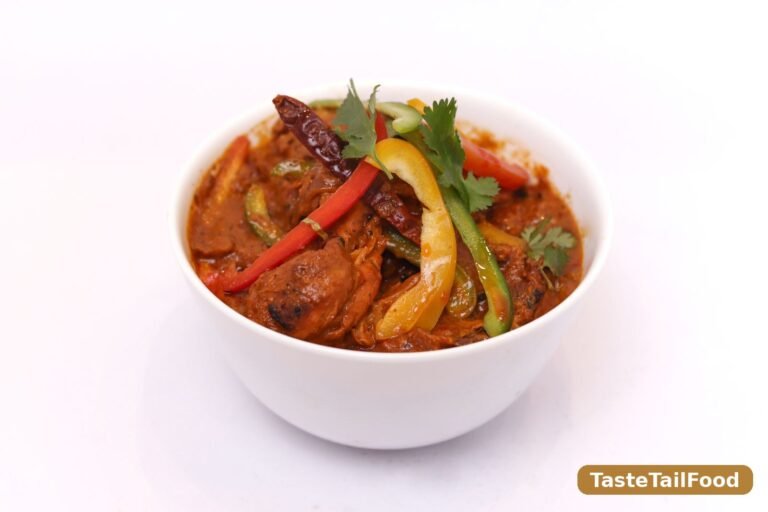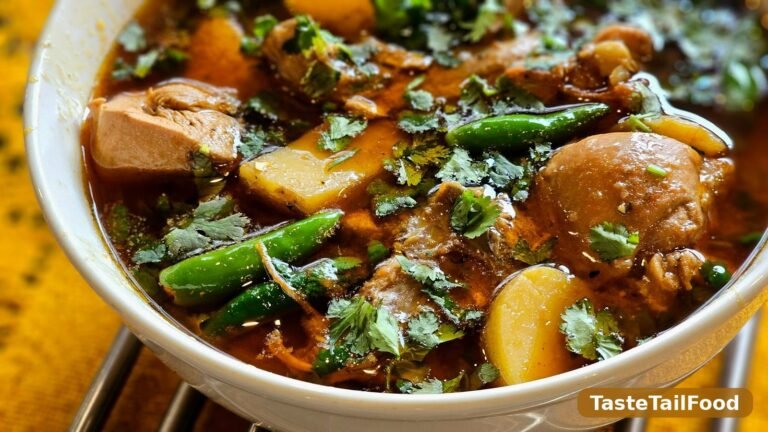
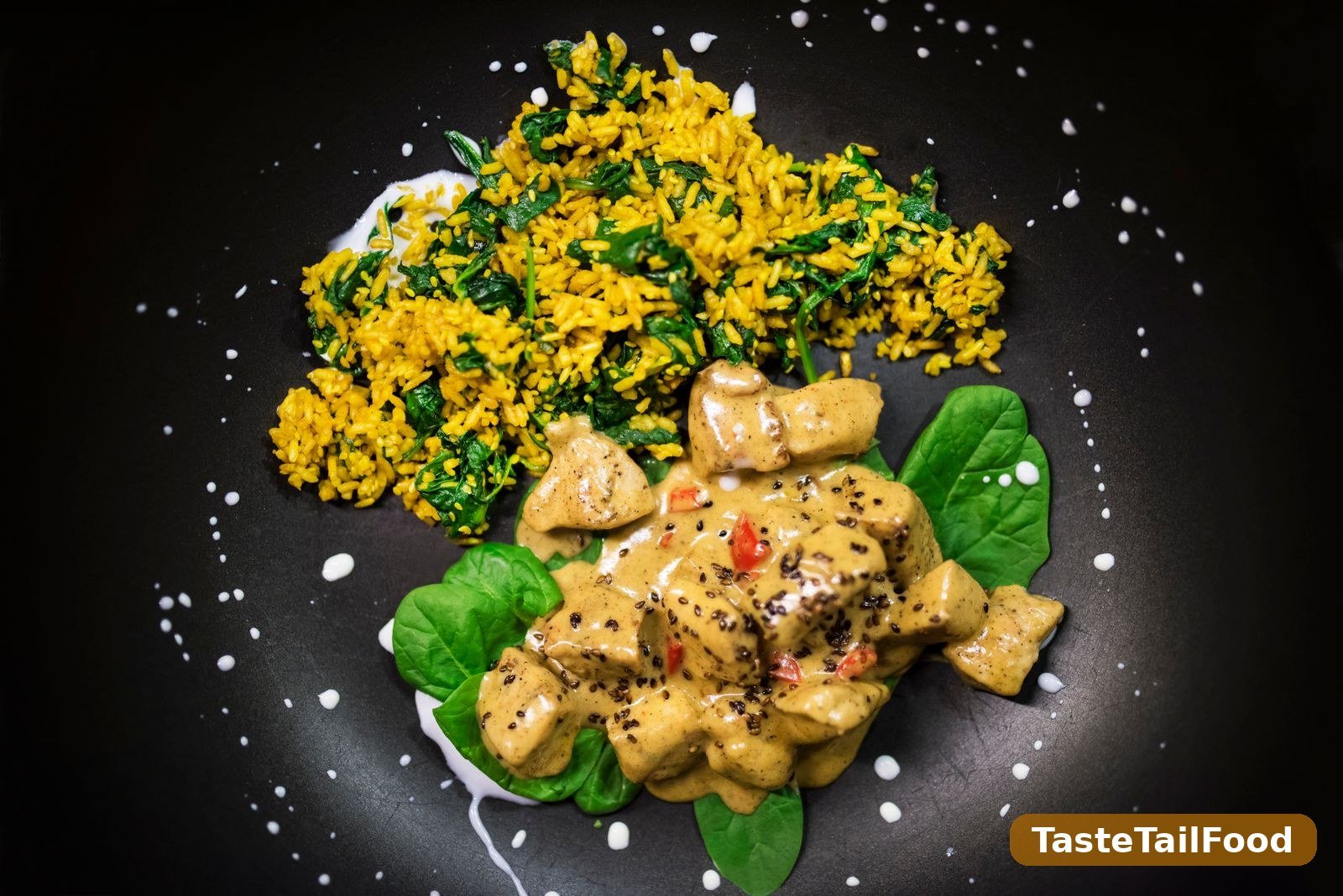
Chicken Korma with Fragrant Spices
There are some dinners that just make the whole house feel warm, and chicken korma is one of them. The moment the spices hit the hot oil, the kitchen fills with the smell of cardamom, cinnamon, and cumin, and everyone suddenly appears asking what is for dinner. I first learned to make korma from a neighbour who cooked it the way her mother had, slowly and without rushing, and the first time I tried it at home I could not believe something so rich and comforting came from such simple ingredients. It has been a regular in our house ever since, the meal I make when I want dinner to feel like a treat without spending the whole evening in the kitchen.
A good korma is all about balance. It is creamy without being heavy, gently spiced without being hot, and rich enough to feel special while still being the kind of food you can eat on a normal Tuesday. The sauce is built from onions cooked down until they are soft and golden, ground almonds that give it body, yoghurt that adds a gentle tang, and a handful of whole and ground spices that make it smell incredible. The chicken cooks slowly in that sauce until it is so tender you can pull it apart with a fork. Nothing about it is complicated, but the result tastes like it took far more effort than it did, which is exactly the kind of cooking I love most.
What I appreciate about this recipe is how forgiving it is. You do not need a cupboard full of specialist ingredients or a spice grinder to make it well. A few everyday spices, a tin of coconut milk or some natural yoghurt, and good chicken are really all it takes. I have made it with chicken thighs when I wanted something extra juicy, and with chicken breast when that was what I had in the fridge, and both work beautifully. It is also a wonderful recipe for feeding people with different tastes, because the heat is so gentle that even children and spice-shy grown-ups tend to love it. If you enjoy creamy, comforting chicken dinners, you will also love these creamy garlic butter chicken thighs, which have that same rich, cosy feeling with a completely different flavour.
This korma is the kind of meal that turns an ordinary evening into something a little nicer. Serve it with fluffy basmati rice, warm naan bread for scooping up the sauce, and maybe a simple cucumber salad on the side, and you have a dinner that feels like a restaurant meal made at home. It is also brilliant for making ahead, because the flavours only get better overnight, and it freezes well too. Whether you are cooking for family, for friends, or just for yourself after a long day, this chicken korma is a recipe worth keeping close.
Why You’ll Love This Recipe
First of all, it is genuinely comforting. There is something about a creamy, gently spiced curry that just settles you after a long day. The sauce is smooth and rich, the chicken is tender, and every spoonful tastes warm and satisfying. It is not the kind of dinner that leaves you hungry an hour later, and it is not the kind that sits heavily either. It hits that lovely middle ground where you feel properly fed and happy, and that is why I come back to it again and again.
It is also much easier than it looks. People sometimes think a curry like this needs hours of work or a long list of hard-to-find ingredients, but this version comes together in about forty-five minutes with spices you probably already have. The steps are simple: cook the onions, bloom the spices, add the chicken and sauce, and let it simmer while you cook the rice. There is no fancy technique involved, and even if you have never made a curry from scratch before, you will manage this one easily. I have taught it to friends who swore they could not cook curry, and they now make it regularly.
The flavour is another reason this korma earns its place in the regular rotation. The cardamom and cinnamon give it a warm sweetness, the cumin and coriander add depth, and the almonds and yoghurt make the sauce silky and rich. It is fragrant rather than fiery, which makes it a brilliant introduction to Indian cooking for anyone who is nervous about chilli heat. You can add a pinch of chilli if you like a little warmth, but you really do not need to. The spices do all the talking, and they speak softly and beautifully.
Finally, this recipe is wonderfully practical. It feeds four generously, it doubles easily for a crowd, and the leftovers are arguably even better the next day. I often make a double batch on purpose so I have lunch sorted for the rest of the week. It also freezes well, which makes it a great recipe to keep in your back pocket for busy weeks. If you like one-pan creamy chicken dishes, this creamy Tuscan chicken skillet is another favourite in our house, with sun-dried tomatoes and spinach in a rich garlic sauce.
Ingredients You’ll Need
- 700 g (about 1 1/2 lbs) boneless, skinless chicken thighs, cut into large chunks
- 2 tablespoons vegetable oil or ghee
- 2 medium onions, finely chopped
- 4 cloves garlic, finely minced
- 1 tablespoon fresh ginger, finely grated
- 2 teaspoons ground coriander
- 2 teaspoons ground cumin
- 1 teaspoon ground turmeric
- 1 teaspoon garam masala
- 4 green cardamom pods, lightly crushed
- 1 cinnamon stick
- 2 bay leaves
- 3 tablespoons ground almonds
- 150 ml (about 2/3 cup) natural yoghurt, full fat
- 200 ml (about 3/4 cup) coconut milk or single cream
- 1 tablespoon tomato paste
- 1 teaspoon sugar
- 1 teaspoon fine sea salt, plus more to taste
- 1/2 teaspoon black pepper
- Juice of half a lemon
- Fresh coriander leaves and flaked almonds, to serve
How to Make Chicken Korma with Fragrant Spices
Start by preparing everything before you turn on the heat, because once the cooking starts it moves quickly. Chop the onions finely, mince the garlic, grate the ginger, and cut the chicken into large, even chunks so they cook at the same rate. Measure out the ground spices into a small bowl so you can add them all at once, and have the yoghurt, coconut milk, and ground almonds ready beside the stove. This little bit of preparation makes the whole recipe feel calm and easy, and it means you will not be scrambling for ingredients with onions already browning in the pan. Take the yoghurt out of the fridge a few minutes early too, because cold yoghurt added to a hot pan is more likely to split.
Heat the oil or ghee in a large, heavy-based pan or casserole over medium heat. Add the chopped onions with a pinch of salt and cook them gently for about eight to ten minutes, stirring often, until they are soft, sweet, and golden. This step matters more than people think, because properly cooked onions are the foundation of the whole sauce. If you rush them, the korma will taste sharp and raw, but if you give them time to soften and sweeten, the sauce becomes deep and mellow. While the onions cook, you can start the rice, because everything will be ready at roughly the same time.
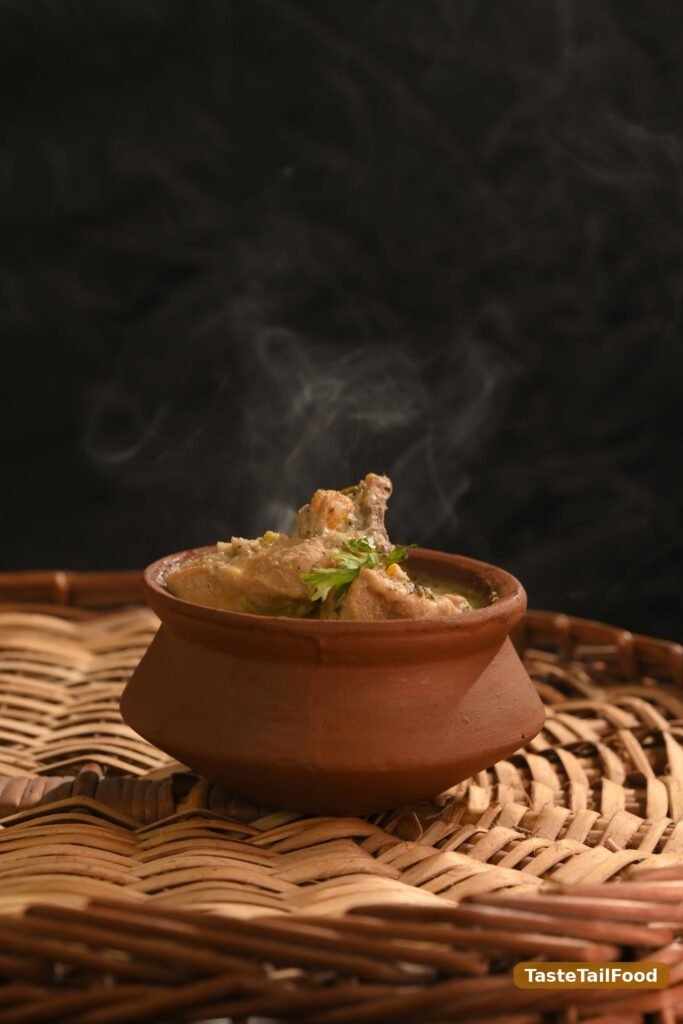
Add the garlic and ginger to the pan and cook for one minute until fragrant, then stir in the ground coriander, cumin, turmeric, and garam masala along with the cardamom pods, cinnamon stick, and bay leaves. Cook the spices for another minute, stirring constantly, until the whole pan smells warm and wonderful. This is called blooming the spices, and it wakes up their flavour in a way that just stirring them into liquid never does. Be careful not to let them burn, because burnt spices taste bitter, so keep the heat at medium and keep everything moving.
Now add the chicken pieces to the pan and stir well so every piece is coated in the spiced onion mixture. Cook for about five minutes, turning the pieces, until the chicken is sealed on the outside and no longer pink on the surface. Stir in the tomato paste and ground almonds, then turn the heat down to low. Add the yoghurt one spoonful at a time, stirring well after each spoonful so it blends smoothly into the sauce instead of splitting. Once all the yoghurt is in, pour in the coconut milk, add the sugar and salt, and give everything a good stir. The sauce should look pale gold and creamy, and it will smell absolutely wonderful.
Put the lid on the pan, leaving it slightly ajar, and let the korma simmer very gently for twenty-five to thirty minutes. Stir it every now and then to make sure nothing sticks to the bottom, and check the chicken is tender by pressing a piece with a spoon. It should yield easily. The sauce will thicken slightly as it cooks, and the flavours will come together into something rich and rounded. If the sauce gets too thick, add a splash of water or a little more coconut milk. If it is too thin, take the lid off for the last five minutes and let it reduce. Taste it at the end and adjust the salt, add the lemon juice, and fish out the cinnamon stick, bay leaves, and cardamom pods before serving. For a lovely comparison of creamy curry styles, the BBC Good Food chicken korma is a great reference with a slightly different method.
Tips for Perfect Chicken Korma
The single most important tip is to cook the onions properly. I know it is tempting to rush this step, but ten patient minutes with the onions makes more difference to the final flavour than anything else in the recipe. They should be soft, sweet, and golden, not browned and crisp. If they start catching, turn the heat down and add a splash of water. A well-cooked onion base gives the sauce its sweetness and depth, and it is the difference between a korma that tastes homemade in the best way and one that tastes a bit flat.
Use full-fat yoghurt, and add it slowly. Low-fat yoghurt is much more likely to split when it hits the hot pan, leaving you with a grainy sauce. Full-fat yoghurt is more stable, and adding it a spoonful at a time while stirring gives it the best chance of blending in smoothly. If you are worried about splitting, take the pan off the heat for a minute before adding the yoghurt, stir it in, and then return the pan to a gentle heat. The sauce should simmer, never boil hard, once the yoghurt and coconut milk are in.
Choose chicken thighs if you can, because they stay juicy and tender through the long simmer in a way that breast sometimes does not. That said, chicken breast works perfectly well too if you cut it into large chunks and keep the simmer gentle. Just be careful not to overcook it, because breast dries out faster. Either way, use a meat thermometer or cut into the thickest piece to check it is cooked through, and remember that chicken should reach 74°C (165°F) at its thickest point. For more ideas on easy chicken dinners that use pantry staples, these easy chicken dinners with pantry ingredients are worth a look.
Finally, do not skip the final tasting and adjusting. Every batch of spices is slightly different, every onion has a different sweetness, and the lemon juice at the end is what lifts the whole dish. Taste the sauce before serving and ask yourself what it needs. A little more salt, a squeeze more lemon, a pinch more sugar to round out the spices. This last minute of attention is what turns a good korma into a great one, and it is a habit worth building into all your cooking.
Variations to Try
Once you have made the basic korma, it is easy to make it your own. For a vegetarian version, swap the chicken for chickpeas, cauliflower, and paneer, and use the same sauce. The chickpeas soak up the creamy spices beautifully, and the paneer adds a lovely soft richness. Cook the vegetables in the sauce until tender, and you have a korma that even dedicated meat eaters will enjoy. You can also try it with lamb, which needs a longer simmer of about an hour, but rewards you with meltingly tender meat.
For a richer, more indulgent korma, replace the coconut milk with double cream and add a tablespoon of butter at the end. It makes the sauce even silkier, and it is the version I make when friends come for dinner and I want to impress. For a lighter version, use low-fat coconut milk and skip the ground almonds, adding a little extra yoghurt instead. The sauce will be slightly thinner but still delicious, and the spices will shine through even more clearly.
If you like a little heat, add a finely chopped green chilli with the garlic, or a pinch of chilli flakes with the ground spices. It will not turn the korma into a hot curry, but it will add a gentle warmth at the back of the throat that works beautifully with the sweetness of the sauce. You can also add a handful of golden raisins or a few dried apricots during the simmer for a traditional sweet note, or stir in a big handful of baby spinach at the end until it wilts. For another creamy chicken idea without a sauce this rich, this chicken pasta without cream sauce is a lighter weeknight option.
Serving Ideas
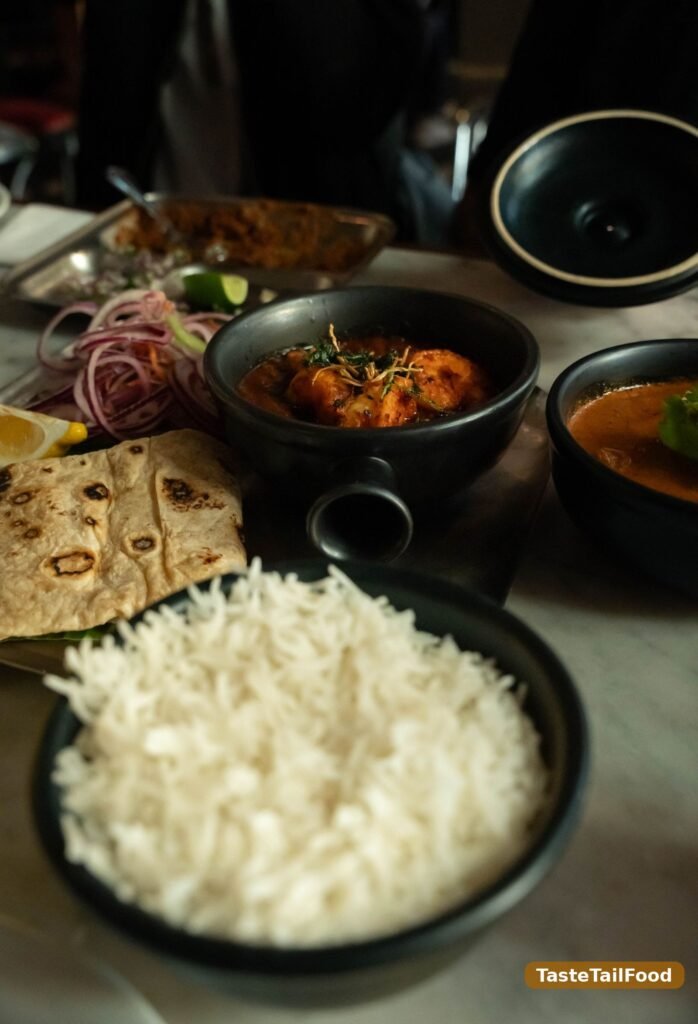
The classic way to serve chicken korma is with fluffy basmati rice and warm naan bread, and there is a good reason that combination has lasted so long. The rice soaks up the creamy sauce, the naan is perfect for scooping, and together they turn the curry into a proper feast. Cook the rice with a couple of cardamom pods and a bay leaf for extra fragrance, and warm the naan in the oven or in a dry pan just before serving so it is soft and pillowy.
For a lighter meal, serve the korma with a simple cucumber, tomato, and red onion salad dressed with lemon juice and a pinch of salt, and a spoonful of cooling raita or plain yoghurt on the side. The freshness of the salad cuts through the richness of the sauce beautifully. A few poppadoms on the side add crunch, and a mango chutney gives a sweet contrast that children especially love. If you are feeding a crowd, put the korma in a big serving bowl in the middle of the table with the rice, naan, and salads around it, and let everyone help themselves. It makes dinner feel generous and relaxed.
If you have leftovers, the korma is wonderful the next day spooned over a baked potato, or wrapped in a warm flatbread with salad for a quick lunch. I have even served it over noodles when I had no rice left, and it worked surprisingly well. The sauce is so versatile that it goes with almost any plain base, so do not be afraid to improvise with what you have in the cupboard.
Storage and Reheating
Leftover chicken korma keeps really well, which is one of the reasons I often make a double batch. Let it cool completely, then store it in an airtight container in the fridge for up to four days. The flavours actually deepen overnight as the spices settle into the sauce, so the second day is often even better than the first. Keep the rice separate if you can, because rice and curry stored together can go mushy.
To reheat, warm the korma gently in a pan over low heat, stirring often, until it is piping hot all the way through. Add a splash of water or coconut milk if the sauce has thickened too much in the fridge. Avoid boiling it hard, because that can make the yoghurt in the sauce split. The microwave works too, in short bursts with a good stir in between, but the pan gives you more control. If you want more guidance on curry technique in general, the BBC Good Food easy chicken curry guide is a useful reference.
For longer storage, korma freezes beautifully for up to three months. Portion it into freezer containers, label with the date, and thaw overnight in the fridge before reheating. The sauce may look slightly separated after thawing, but a good stir over gentle heat will bring it back together. Never refreeze chicken once it has been thawed, and always make sure it is heated right through before serving.
Frequently Asked Questions
Is chicken korma spicy?
No, korma is one of the mildest curries you will find. It is fragrant and rich rather than hot, with warm spices like cardamom, cinnamon, and cumin giving it flavour without chilli heat. This recipe has no fresh chilli in it at all, so it is suitable for children and for anyone who does not like spicy food. If you do enjoy a little warmth, you can add a pinch of chilli flakes or a chopped green chilli, but it is completely optional.
Can I use chicken breast instead of chicken thighs?
Yes, chicken breast works well in this recipe. Cut it into large chunks so it does not dry out, and keep the simmer gentle and a little shorter, around twenty minutes. Check the thickest piece is cooked through before serving. Thighs are more forgiving and stay juicier during a longer simmer, so they are my first choice, but breast is a perfectly good option if that is what you have.
Why did my korma sauce split?
Sauce splitting usually happens when cold yoghurt is added too quickly to a very hot pan, or when the sauce is boiled hard after the yoghurt goes in. To avoid it, use full-fat yoghurt at room temperature, add it a spoonful at a time while stirring, and keep the sauce at a gentle simmer. If it does split, take the pan off the heat and whisk in a spoonful of cold yoghurt or cream, which often brings it back together.
Can I make chicken korma ahead of time?
Yes, and it is actually better the next day. Make the korma as directed, let it cool, and store it in the fridge for up to four days. The spices mellow and deepen overnight, and a gentle reheat brings it right back to life. It is a brilliant make-ahead dinner for busy weeks or for feeding guests without spending the whole evening cooking.
What should I serve with chicken korma?
Basmati rice and warm naan bread are the classic partners, and they are hard to beat. A cucumber salad, a spoonful of raita, and some poppadoms make the meal feel complete. For a lighter option, serve it with cauliflower rice or a big green salad. The creamy sauce goes with almost any plain base, so use whatever you have on hand.
Can I freeze chicken korma?
Yes, korma freezes very well for up to three months. Cool it completely, portion it into airtight freezer containers, and label with the date. Thaw overnight in the fridge, then reheat gently in a pan with a splash of water or coconut milk, stirring often. Stir well as it heats, and it will come back together into a smooth, creamy sauce.