
One-Pan Lemon Herb Chicken Orzo
There are dinners you plan, and then there are dinners that save the evening. One-pan lemon herb chicken orzo is firmly in the second group. It is the meal I make when I want something that tastes like I spent real time on it, but I only have about half an hour and one pan’s worth of patience. The chicken comes out golden and juicy, the orzo turns creamy as it cooks in the broth, and the lemon and herbs lift the whole thing so it never feels heavy. It is the kind of dinner that makes people ask for the recipe before they have finished eating.
The first time I made it, I was not trying to be clever. I had chicken thighs, half a bag of orzo, a lemon that was about to go soft in the fruit bowl, and no interest in washing three pots. Everything went into the same pan, more out of laziness than inspiration, and the result was so good that it became a regular. The orzo soaks up the chicken stock and the juices from the chicken as it cooks, so it ends up tasting like far more than pasta boiled in water ever could. And because everything cooks together, the flavours have time to get to know each other in a way that separate dishes never quite manage.
If you have never cooked with orzo before, do not let the name put you off. It looks like rice, but it is pasta, and it behaves like pasta – it just cooks faster and turns wonderfully creamy in a pan like this one. It is also very forgiving. A minute too long and it is still good. A splash too much stock and it just becomes a little saucier. This is a recipe that works with you, not against you, which is exactly what a weeknight dinner should do.
WHY ONE PAN MAKES ALL THE DIFFERENCE
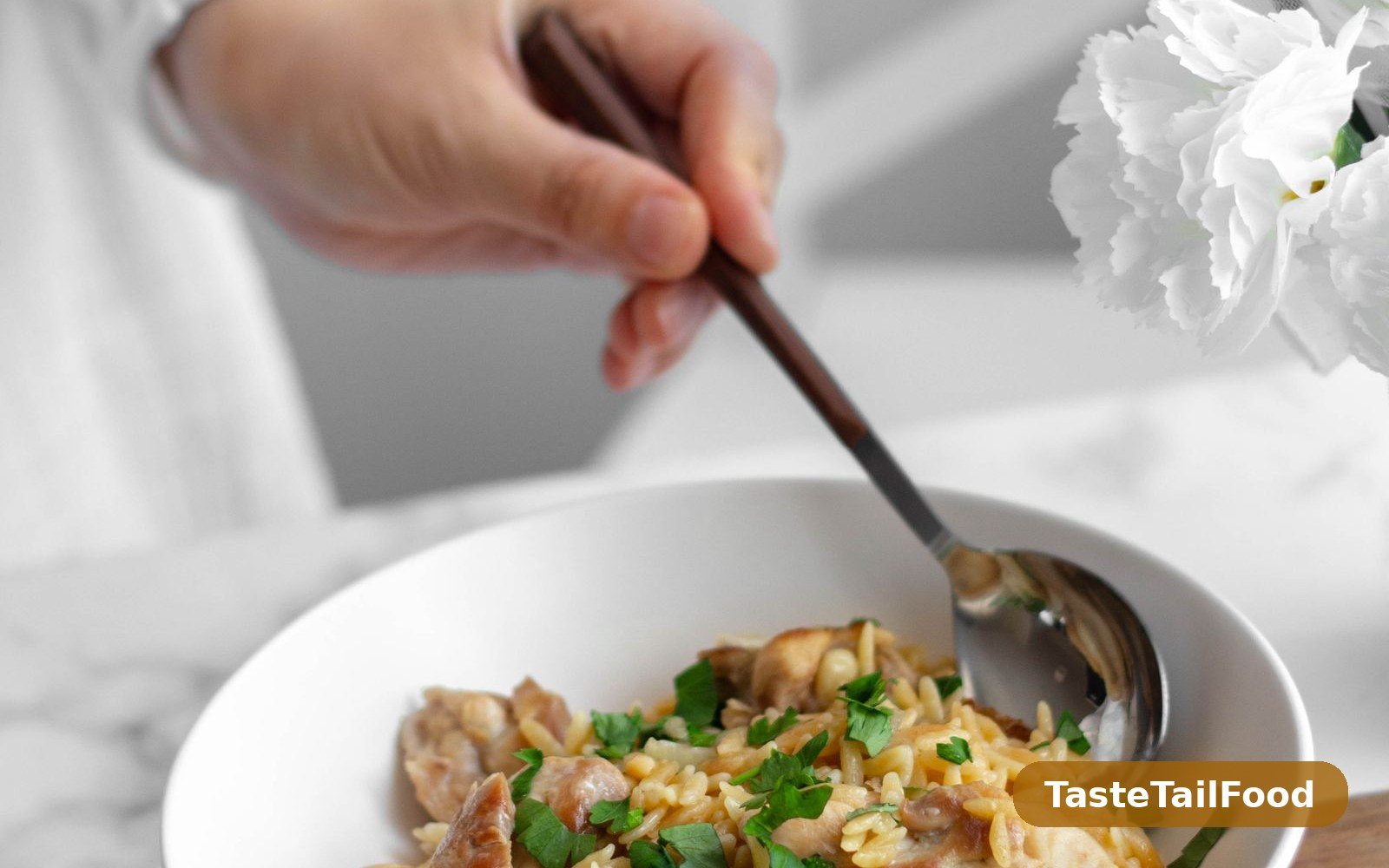
There is a real reason one-pan dinners taste better than the sum of their parts, and it is not just about the washing up, though that is a genuine blessing. When the chicken sears in the pan first, it leaves behind little browned bits stuck to the bottom. Those bits are flavour, and when you pour in the stock and the orzo, they dissolve into the liquid and season everything that cooks in it afterwards. If you cooked the chicken and the pasta separately, that flavour would be lost down the sink when you wiped out the pan.
The other advantage is timing. Everything finishes at the same moment. The chicken rests for a couple of minutes while the orzo finishes absorbing the stock, and by the time you sit down, both are at their best. There is no juggling of pots, no pasta going cold while the chicken finishes, and no frantic last-minute rush. You can stand at the stove with a glass of something cold and actually enjoy the cooking, which is how dinner should feel on a normal evening.
And then there is the cleanup, which I will not pretend is a small thing. One pan, one cutting board, one knife. That is the whole pile. On a night when you are tired, that difference matters more than any fancy technique ever will.
CHOOSING THE CHICKEN
I make this with boneless, skinless chicken thighs, and I think they are the best choice for this recipe by a clear margin. Thighs stay juicy even if you cook them a minute too long, which is a kindness on a busy evening. They also have a little more flavour than breast meat, and that flavour ends up in the orzo as everything cooks together. If you buy them with the skin on, you can brown the skin first and get a lovely crisp edge, but skinless is simpler and the dish does not suffer for it.
Chicken breast works too, and plenty of people prefer it. If that is what you have, use it, but be a little more careful with the timing. Breast dries out faster than thigh, so keep the pieces a good size – about the size of your palm, not cut into small strips – and pull them out of the pan as soon as they are cooked through, rather than leaving them in while the orzo finishes. You can always slice them and lay them on top of the finished orzo at the end.
Whatever cut you use, the most important thing is even thickness. If one piece is twice as thick as another, the thin one will be dry before the thick one is done. If your thighs vary a lot in size, press the thicker ones flat with the heel of your hand or give them a few gentle taps with a rolling pin between two sheets of baking paper. It takes thirty seconds and it makes a real difference.
Fresh chicken is worth buying well. Look for pieces that are pink and plump, with no grey edges and no strong smell. Chicken should smell like almost nothing at all. If it smells sharp or sour, do not use it. And if you are buying frozen thighs, thaw them properly first – overnight in the fridge is best, or in a sealed bag in cold water if you are short on time. Chicken that is still half frozen in the middle will not brown properly, and the outside will be overcooked by the time the centre catches up. The U.S. Department of Agriculture has clear guidance on safe thawing and handling if you ever want to check the details, and it is worth a quick read if you cook chicken often.
WHAT YOU’LL NEED
This is a short, honest list. Nothing exotic, nothing you need to order online. Most of it is probably in your kitchen already, and the few things that are not are easy to find in any supermarket.
For the chicken:
- 4 boneless, skinless chicken thighs, about 600 g (1 1/4 lb) in total
- 1 teaspoon kosher salt
- 1/2 teaspoon black pepper, freshly ground if you have it
- 1 teaspoon dried oregano
- 1/2 teaspoon garlic powder
- 1/2 teaspoon paprika
- 2 tablespoons olive oil
For the orzo:
- 1 tablespoon butter
- 1 small onion, finely diced
- 3 cloves garlic, finely minced
- 1 1/2 cups (300 g) orzo
- 3 1/2 cups (840 ml) low-sodium chicken stock, plus a splash more if needed
- 1 lemon, zested and juiced (keep the zest and juice separate)
- 1/2 cup (50 g) finely grated Parmesan, plus extra to serve
- 1 cup baby spinach, roughly chopped (optional, but lovely)
- 2 tablespoons chopped fresh parsley
- 1 tablespoon chopped fresh basil, if you have it
- Extra lemon wedges, to serve
A word about the stock. Low-sodium is worth using here because the liquid reduces as the orzo cooks, and the salt concentrates. Regular stock can leave the finished dish too salty, especially once the Parmesan goes in. If low-sodium is all you have in the cupboard, use it and hold back a pinch of salt from the chicken seasoning. If you only have regular stock, use it but skip the extra salt entirely and taste before adding any at the end. And on the lemon: use a real one. Bottled lemon juice will work in a pinch, but the zest is half the flavour of this dish, and you cannot get zest from a bottle.
THE LEMON AND HERB FLAVOUR
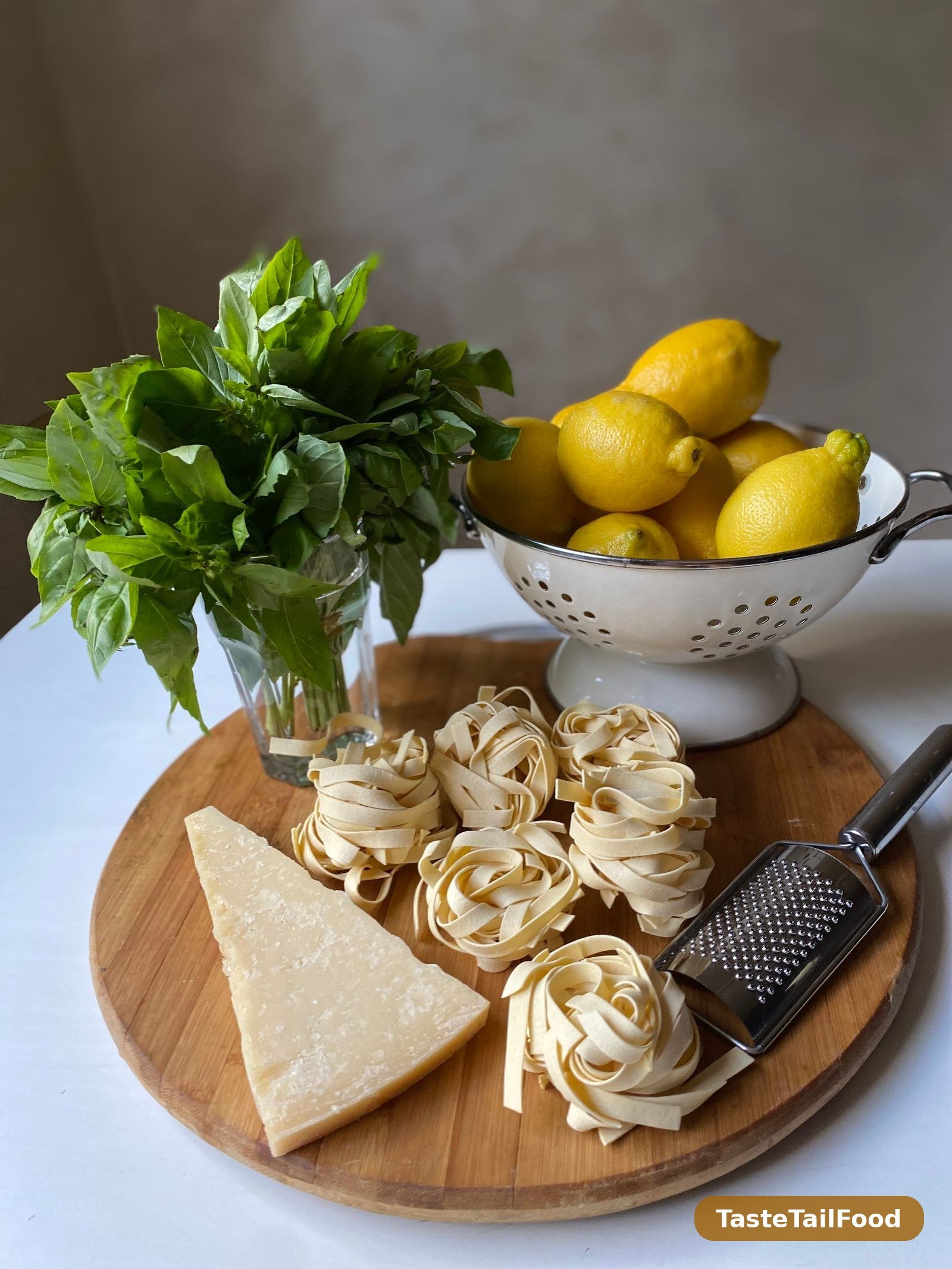
Lemon and herbs are one of those combinations that never really goes out of style, and there is a reason for it. Lemon does two jobs at once in a dish like this. The juice brings brightness, a sharpness that cuts through the richness of the chicken and the creaminess of the orzo. The zest brings something else entirely – a fragrant, almost floral lemon flavour that sits on top of everything and makes the whole pan smell wonderful. They are not interchangeable. If you only use juice, the dish tastes sour. If you only use zest, it tastes flat. Together, they are the reason this recipe tastes like more than chicken and pasta.
The herbs matter too, but they do not need to be complicated. Dried oregano goes on the chicken at the start, where the heat wakes it up and it seasons the meat as it browns. Fresh parsley and basil go in at the end, off the heat, where their flavour stays bright and green instead of cooking away into nothing. That split – dried herbs early, fresh herbs late – is a small habit worth building, because it works in almost every savoury dish you will ever make.
If you do not have fresh basil, do not worry. Parsley on its own is fine, and a little chopped dill is lovely too, if that is what you have. The point is the freshness at the end, not the exact herb. And if you like a little heat, a pinch of chilli flakes stirred in with the stock will not hurt anything. It will not make the dish spicy, just a touch warmer at the back of your throat.
HOW TO MAKE ONE-PAN LEMON HERB CHICKEN ORZO
Season the chicken thighs on both sides with the salt, pepper, oregano, garlic powder, and paprika. Be generous with the seasoning. The orzo will be cooking in the same pan and will pick up some of it, so you want the chicken well seasoned rather than shy. Let the chicken sit for five minutes while you get everything else ready. It does not need a long rest, but even a few minutes lets the salt start working on the surface of the meat.
Heat the olive oil in a large, deep pan or skillet over medium-high heat. You want a pan with a lid, and one wide enough that the chicken pieces can sit in a single layer without touching. When the oil is hot – it should shimmer and move easily when you tilt the pan – lay the chicken thighs in, smooth side down. Do not move them. Let them sit for five to six minutes until the underside is deep golden brown. That colour is flavour, and it only happens if you leave the chicken alone. If you keep lifting the pieces to check, they will never brown properly.
Flip the thighs and cook for another four to five minutes on the second side. They do not need to be fully cooked through at this point, because they will finish cooking with the orzo. What you are after is good colour on both sides and an internal temperature that is most of the way there. Take the chicken out of the pan and set it on a plate. It will rest there while you start the orzo, and that rest is part of what keeps it juicy.
Turn the heat down to medium and add the butter to the same pan. Do not wipe it out – those browned bits on the bottom are the flavour we talked about. When the butter has melted, add the diced onion and cook for three to four minutes until it is soft and translucent. Then add the garlic and cook for another thirty seconds, just until you can smell it. Garlic burns quickly, so do not walk away at this point.
Pour in the orzo and stir it around for a minute, letting it toast lightly in the butter and onion. This is a small step that makes a real difference. Toasting the orzo gives it a slightly nutty flavour and helps it hold its shape as it cooks. Then pour in the chicken stock, scraping the bottom of the pan with a wooden spoon to lift up all those browned bits. Add the lemon zest – not the juice yet, that comes at the end – and bring everything to a gentle simmer.
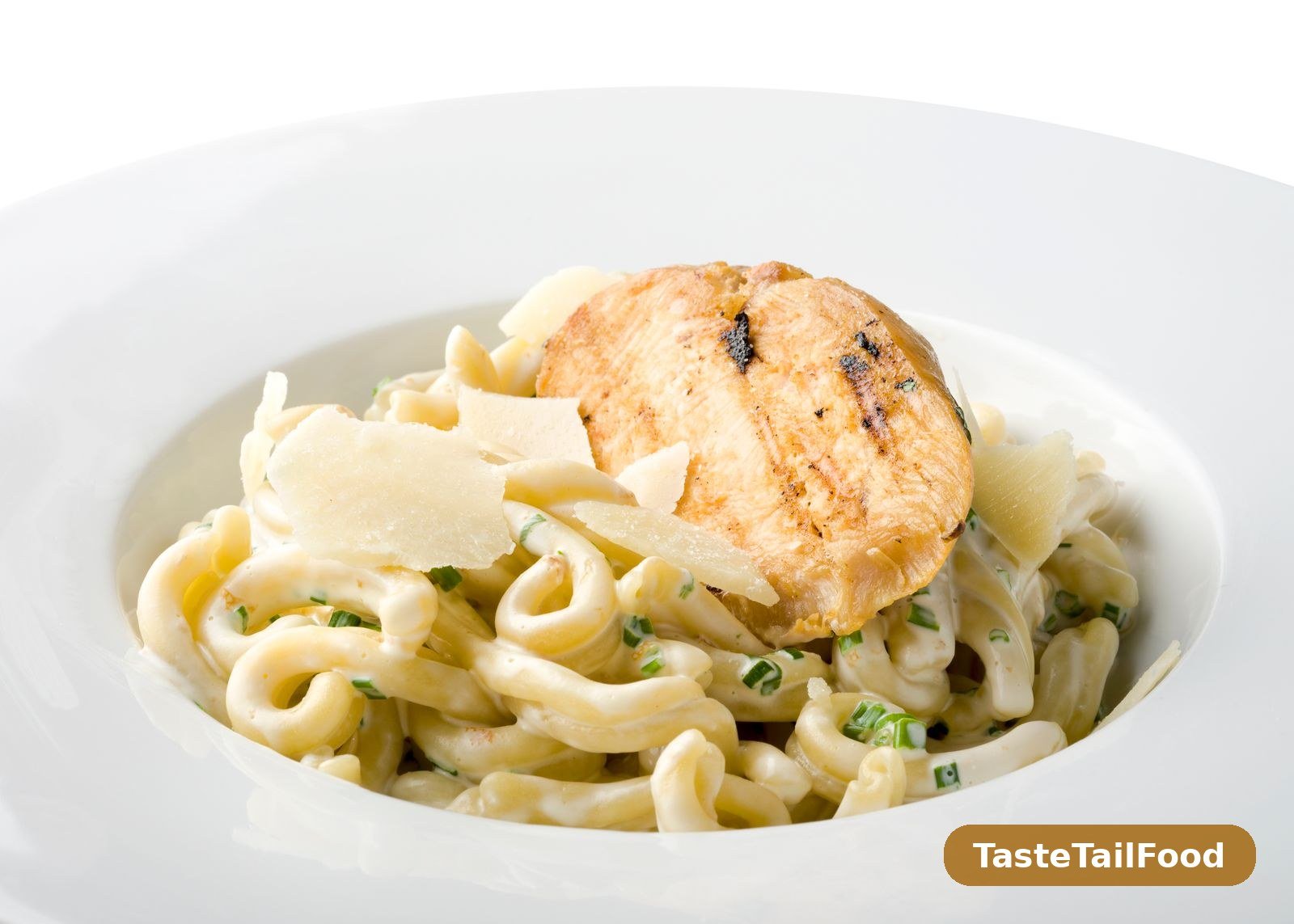
Nestle the chicken thighs back into the pan, spooning a little of the orzo and liquid over the top of each piece. Put the lid on, turn the heat down to medium-low, and let it cook for twelve to fourteen minutes. Stir once or twice during this time, gently, so the orzo does not stick to the bottom. The orzo should be tender and most of the liquid absorbed when it is done. If it looks dry before the orzo is tender, add a splash of hot stock or water, a quarter cup at a time. If it looks too wet, take the lid off for the last couple of minutes and let it reduce.
When the orzo is tender, take the pan off the heat. Stir in the Parmesan, a handful at a time, until it melts into the orzo and turns everything creamy. Then stir in the lemon juice and the spinach, if you are using it, and let the spinach wilt in the heat of the pan for a minute. Taste it and adjust the salt. Then sprinkle over the fresh parsley and basil, and serve straight from the pan with extra Parmesan and lemon wedges on the side.
HOW TO TELL WHEN IT’S DONE
The chicken is the thing to check first. The safe internal temperature for chicken is 165°F (74°C), measured at the thickest part of the thigh. A thermometer is the reliable way to know, and if you cook chicken regularly, it is one of the best small purchases you will ever make. If you want the official numbers for every cut, the USDA’s safe temperature chart lists them all in one place, and it is worth bookmarking. If you do not have a thermometer, cut into the thickest piece and look. The meat should be opaque all the way through, with no pink and no glossy, raw-looking centre, and the juices should run clear.
The orzo is easier to judge. Taste a spoonful. It should be tender with just the slightest bite left in the centre – not crunchy, not mushy. If it is still firm, give it another two minutes with the lid on and a splash more stock. Orzo goes from almost done to done quite quickly, so check it a minute earlier than you think you need to, rather than a minute later. And remember that it keeps absorbing liquid as it sits, so if it looks a little saucy when you take it off the heat, that is fine. By the time it reaches the table, it will be just right.
WHAT TO SERVE WITH IT
Honestly, this is a complete meal in a pan. It has protein, pasta, and a little greenery if you added the spinach. You do not need anything else, and on most nights I do not make anything else. But if you want a side, keep it simple and fresh, something that contrasts with the warm, creamy orzo rather than competing with it.
A simple green salad with a lemony dressing is the obvious partner. The sharpness of the dressing echoes the lemon in the pan and keeps the meal from feeling heavy. Our roasted broccoli with parmesan and lemon would work beautifully too – the same flavours, in a different form, and it can roast in the oven while the orzo cooks.
If you want something to mop up the creamy orzo, a piece of crusty bread is never a bad idea. And for a lighter option, serve a smaller portion of the orzo alongside a big salad, and let the salad do the heavy lifting. The dish is rich enough that a modest serving goes a long way.
For drinks, keep it easy. Sparkling water with lemon, iced tea, or a glass of white wine if that is your thing. Nothing fancy is needed. The pan is the star, and everything else is there to make it shine. If you are feeding people who like a heartier meal, our creamy garlic butter chicken thighs make a good second main on the same table, though I would not cook both on the same night unless you are feeding a crowd.
And if your family prefers rice to pasta, our quick chicken and rice with frozen vegetables is another one-pan dinner that runs on the same pantry logic – a few simple ingredients, one pan, and dinner in about half an hour.
VARIATIONS WORTH TRYING
Once you have the basic method down, this recipe bends in all sorts of useful directions. If you want a richer version, stir in a splash of cream with the Parmesan at the end. It makes the orzo silkier and the dish a little more indulgent, which is nice on a cold evening. If you want it lighter, skip the butter and use an extra tablespoon of olive oil instead, and go easy on the Parmesan.
For a Mediterranean twist, add a handful of halved cherry tomatoes and a few Kalamata olives with the stock, and swap the basil for extra oregano. The tomatoes soften as the orzo cooks and add a gentle sweetness that works beautifully with the lemon. A crumble of feta on top instead of Parmesan is lovely too.
If you like mushrooms, add a cup of sliced mushrooms with the onion and let them cook down before the garlic goes in. They add an earthy depth that suits the lemon and herbs well. And if you want to use up vegetables from the fridge, a handful of peas stirred in at the end, or some chopped asparagus cooked with the orzo, both work without changing anything else.
The same one-pan method works with other proteins too. Prawns are wonderful here – add them in the last five minutes so they do not overcook. And if chicken is not on the menu one night but the lemon herb idea appeals to you, our easy garlic noodles with vegetables use the same kind of bright, simple flavour, and they come together even faster.
STORING LEFTOVERS
Leftover orzo keeps well in the fridge for up to three days in a sealed container. It will thicken as it sits, because the pasta keeps absorbing liquid, so when you reheat it, add a splash of stock or water and stir it in as it warms. The microwave works fine – a minute and a half at half power, stirring halfway through – or you can warm it gently in a pan over low heat with a splash of stock.
I would not freeze this one. Cooked orzo goes soft and a little gummy when it thaws, and the creamy texture that makes the dish so good does not survive the freezer well. If you know you will not eat it all, it is better to halve the recipe and cook a smaller batch fresh. The recipe scales down easily – just use a smaller pan and halve everything.
If you do have leftovers and want to use them up in a different way, the orzo makes a good base for a grain bowl the next day. Warm it through, top it with a fried egg and some extra herbs, and you have a lunch that feels like a different meal entirely.
WHY THIS IS A WEEKNIGHT WINNER
Most of the recipes I cook again and again share the same few qualities. They use ingredients I already have. They take less than half an hour. They make almost no mess. And they taste like far more effort went into them than actually did. This orzo checks every one of those boxes. The prep is ten minutes of chopping and seasoning. The cooking is about twenty minutes in one pan. The cleanup is a pan, a board, and a knife. And the result is a dinner that looks and tastes like you tried much harder than you did.
It is also a recipe that scales easily. Two thighs or six, the method is the same, and the only change is the size of the pan. That makes it a good choice when a friend drops by unexpectedly or when the family is suddenly hungrier than planned. And because it is fast, it works on the nights when cooking feels like the last thing you want to do – which, if we are honest, is most weeknights.
If you are trying to cook more one-pan meals, start here. It is simple, it is forgiving, and it is the kind of recipe that builds confidence. Once you have made it a few times, you will find yourself reaching for the orzo every time chicken is on the menu, and you will wonder why you ever made pasta in a separate pot.
FREQUENTLY ASKED QUESTIONS
Can I use chicken breast instead of thighs?
Yes, chicken breast works fine, but it needs a little more care. Breast dries out faster than thigh, so keep the pieces whole and a good size rather than cutting them into strips, and pull them out of the pan as soon as they reach 165°F (74°C) inside. If you leave them in while the orzo finishes, they can overcook. A good trick is to take the breast out when you add the orzo, then slice it and lay it on top of the finished orzo at the end, so it warms through without drying out.
Can I make this with rice instead of orzo?
You can, but the timing changes. Orzo cooks in about twelve to fourteen minutes. Rice needs longer, usually twenty to twenty-five minutes, and more liquid – about two cups of stock per cup of rice. If you use rice, add it with the stock, put the lid on, and give it the full cooking time before checking. The texture will be different – less creamy, more like a pilaf – but it will still be good. I would not use instant rice, which goes mushy in a pan like this.
Why did my orzo stick to the bottom of the pan?
Orzo sticks when it sits still in a hot pan without enough liquid. The fix is simple: stir it gently once or twice while it cooks, and make sure there is enough stock in the pan. If the liquid level drops too low before the orzo is tender, add a splash of hot stock or water. A heavy-bottomed pan helps too, because it spreads the heat more evenly. And if a little does stick, do not scrape it up aggressively – just stir the rest and serve it. The stuck bits are usually the tastiest part.
Can I add vegetables to this recipe?
Yes, and it is a good way to use up what is in the fridge. Peas, chopped asparagus, and sliced mushrooms all work well. Peas go in at the very end, with the lemon juice, so they stay bright and sweet. Asparagus can go in with the orzo and the stock. Mushrooms should go in with the onion at the start so they have time to cook down. Avoid vegetables that release a lot of water, like courgette, unless you add them late – too much water will make the orzo soupy.
How do I stop the lemon from making the dish sour?
The trick is to add the lemon in two stages. The zest goes in with the stock, early, where it gives fragrance without sourness. The juice goes in at the very end, off the heat, where you can taste and adjust. Start with the juice of half a lemon, stir it in, and taste. If you want more brightness, add the rest. The Parmesan also balances the lemon, so do not skip it or reduce it too much. And remember that a little sourness is the point – it is what keeps the dish from feeling heavy.
Can I make this ahead of time?
You can, but it is best eaten fresh. Orzo keeps absorbing liquid as it sits, so a dish made in the morning will be much thicker by dinnertime. If you do need to make it ahead, cook it until the orzo is just slightly underdone, then cool it quickly and refrigerate it. When you reheat it, add a generous splash of stock or water and warm it gently, stirring often. Add the fresh herbs and an extra squeeze of lemon at the end, after reheating, so the flavour stays bright.
Is orzo gluten-free?
No, orzo is wheat pasta, so it is not gluten-free. If you need a gluten-free version, you can use gluten-free orzo, which is made from rice or corn flour and is available in most supermarkets now. It cooks a little faster than wheat orzo, so check it a couple of minutes earlier, and it can be slightly softer, but the flavour will be very similar. Alternatively, use a short-grain rice and adjust the liquid and timing as described in the rice question above.

One Comment