
Creamy Garlic Butter Chicken Thighs
Some dinners earn a permanent spot in the weekly rotation after a single try, and this is one of them. Creamy garlic butter chicken thighs are the kind of meal that looks like you spent the whole evening in the kitchen, when in truth the whole thing comes together in one pan in about thirty-five minutes. The chicken comes out golden and crisp on the outside, tender and juicy inside, and then it all gets finished in a garlic butter sauce that is rich without being heavy — the kind of sauce you end up spooning over everything on the plate, and then wiping up with a piece of bread when nobody is watching.
I started making this on nights when I wanted something that felt a little special but did not have the energy for a long recipe. Chicken thighs were the obvious choice. They are cheaper than breasts, they forgive a minute or two of extra cooking, and their skin crisps up in a way that breast meat simply cannot match. Add garlic, butter, a splash of cream, and a handful of parmesan, and you have a dinner that tastes like a restaurant dish but uses ingredients most of us already keep around.
If you have never cooked with bone-in, skin-on thighs before, this is a good recipe to start with. There is nothing fussy here. One pan, a few honest ingredients, and a little patience while the skin turns golden. That is the whole secret, really — patience. Let the chicken do its thing in the pan and do not keep moving it around. The rest takes care of itself.
Why Chicken Thighs Work So Well Here
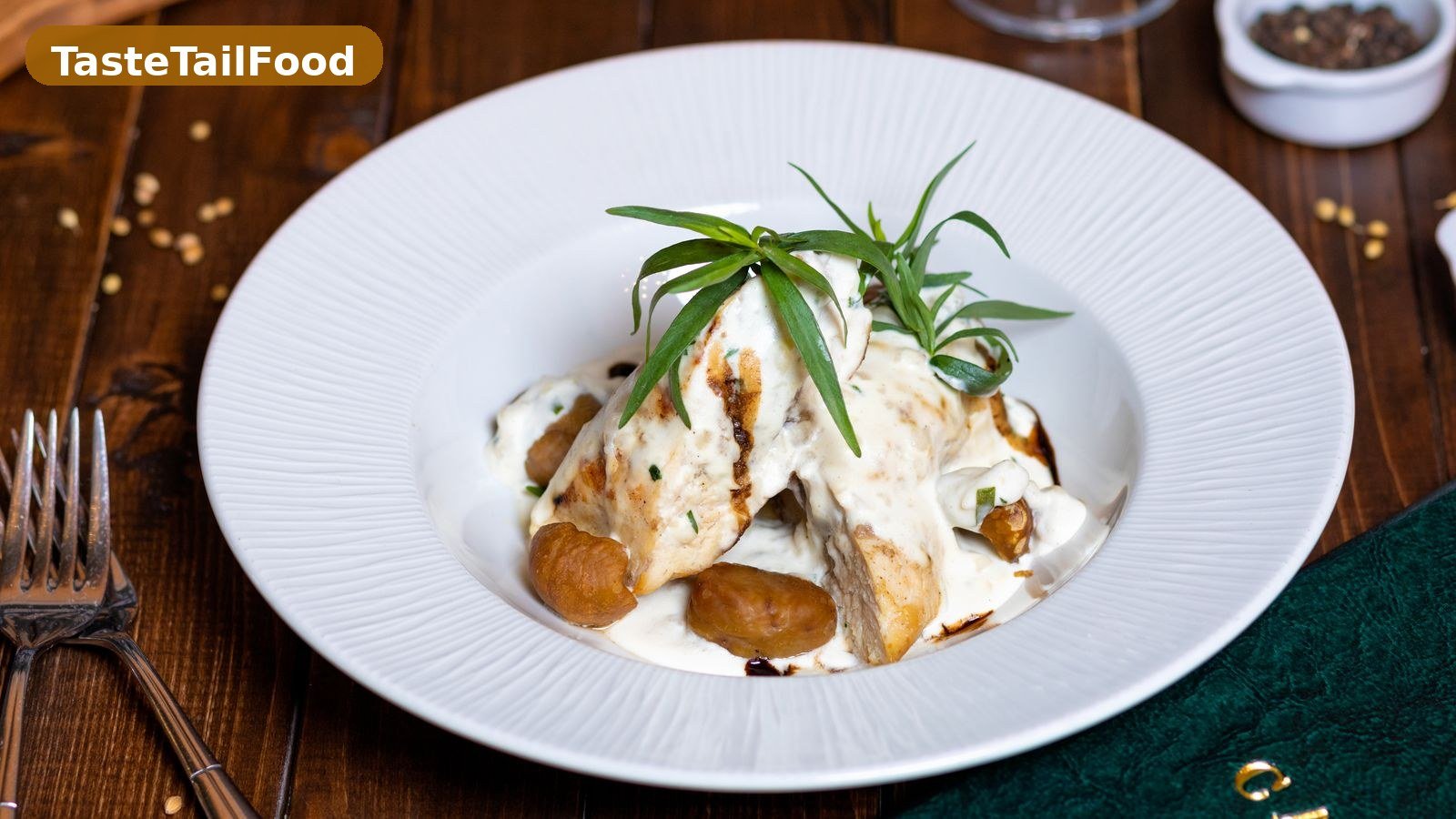
Ask any cook who makes chicken for a living and they will tell you the same thing: thighs are the most forgiving cut on the bird. Chicken breast dries out fast. A minute too long and you are chewing through something that tastes like cardboard. Thighs, on the other hand, carry a little more fat, and that fat does two useful things. First, it keeps the meat juicy even if you overshoot the cooking time by a few minutes. Second, it renders out into the pan and becomes part of the sauce, which is why the finished dish tastes so much richer than the ingredient list suggests.
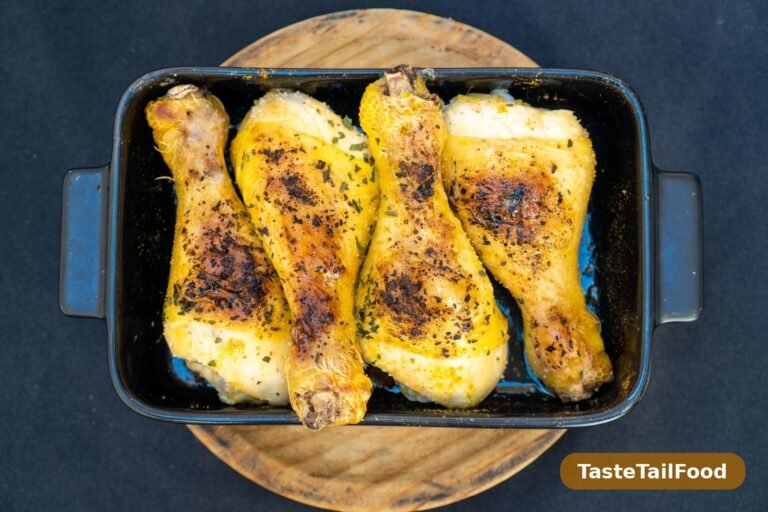
The skin matters too. When it hits a hot pan it shrinks, tightens, and turns crisp and golden. That crunch against the creamy sauce is half the pleasure of this dish. Boneless thighs work as well if that is what you have, but you will miss the skin, and the bone does add a little flavour while the chicken cooks. If you are buying for this recipe, go for bone-in, skin-on thighs, roughly the same size so they finish at the same time. Six to eight thighs, about two pounds in total, is right for four people.
There is also a practical point worth mentioning. Thighs are usually one of the cheapest cuts at the butcher counter, which makes this a genuinely budget-friendly dinner. A dish that costs little, cooks in one pan, and makes people ask for the recipe is the kind of thing weeknight cooking should be about.
If you like garlic chicken but want a lighter version, try our easy garlic chicken without butter on another night.
What You’ll Need
You do not need anything unusual for this recipe, and that is part of its charm. Most of these things are probably in your kitchen already. Here is the full list, for four servings.
For the chicken:
- 6 to 8 bone-in, skin-on chicken thighs (about 2 pounds / 900 g)
- 1 teaspoon kosher salt, plus more to taste
- 1/2 teaspoon black pepper, freshly ground if you have it
- 1/2 teaspoon paprika — sweet, not smoked, though smoked works in a pinch
- 1/2 teaspoon garlic powder
- 1 tablespoon olive oil
For the sauce:
- 4 tablespoons unsalted butter
- 6 cloves garlic, thinly sliced or finely minced
- 1 small shallot, finely chopped (or half a small onion)
- 1/2 cup chicken broth, low sodium if you have it
- 1 cup heavy cream
- 1/2 cup freshly grated parmesan cheese
- 1 teaspoon Dijon mustard
- 1/2 teaspoon dried Italian seasoning, or a mix of dried thyme and oregano
- A pinch of chilli flakes, optional but recommended
- 2 tablespoons fresh parsley, chopped, for serving
- Lemon wedges, for serving
A note on the cream: heavy cream is what makes the sauce thick and silky without any flour. Half-and-half will work, but the sauce will be thinner and more likely to split if it boils. If you only have half-and-half, keep the heat low and do not let it bubble hard. And the parmesan should be freshly grated if you can manage it. The pre-grated kind in a tub contains anti-caking agents that can make the sauce grainy. A small wedge and a box grater take thirty seconds and the difference is real.
How to Make Creamy Garlic Butter Chicken Thighs
Start by getting the chicken ready. Take the thighs out of the fridge about twenty minutes before cooking so they are not ice cold when they hit the pan — cold chicken in a hot pan steams instead of searing, and steamed skin never crisps. Pat each thigh very dry with paper towels. This step matters more than it sounds. Wet skin will not brown properly, and it will spit and splatter in the oil. Really press the towels in and get the skin as dry as you can.
Season generously on both sides with the salt, pepper, paprika, and garlic powder. Do not be shy with the salt. Chicken thighs are thick, and most of the seasoning stays on the surface, so a light dusting will leave the meat under-seasoned. Seasoning the skin also helps it crisp, since salt draws out the last bit of surface moisture.
Heat the olive oil in a large skillet over medium-high heat. A cast iron skillet is ideal here because it holds heat well, but any heavy pan with enough room will do. The pan needs to be hot before the chicken goes in. You can test it by holding your hand a few inches above the surface — you should feel strong heat — or by flicking a drop of water in. If it sizzles and evaporates straight away, you are ready.
Lay the thighs skin-side down in the pan, leaving a little space between them. If you crowd the pan, the chicken steams instead of searing, so cook in two batches if your pan is small. Now comes the hard part: leave them alone. Do not move them, do not peek underneath every thirty seconds. Let them cook, undisturbed, for about seven to eight minutes. The skin will slowly turn golden and crisp, and the fat will render out into the pan. You will hear the sizzle settle into a steady, confident sound. That is how you know things are going well.
When the skin is a deep golden brown, flip the thighs and cook for another six to seven minutes on the second side. The chicken does not need to be fully cooked at this point — it will finish in the sauce — but it should be well browned on both sides. Use a meat thermometer if you have one. Chicken is safe to eat at 165°F (74°C), and checking with a thermometer takes the guesswork out of it entirely. The safe minimum cooking temperature for chicken is 165°F, and it is worth knowing that number by heart. If you want to read the official guidance, the U.S. Food Safety site publishes a clear chart of safe minimum cooking temperatures for all meats.
Transfer the browned thighs to a plate and set them aside. Do not wipe the pan. All those browned bits stuck to the bottom are flavour, and they are about to become the base of the sauce.
Turn the heat down to medium and add the butter to the same pan. As it melts, scrape up the browned bits with a wooden spoon. This is called deglazing, though you do not need the fancy word — you are just letting the butter and the bits in the pan become friends. Add the shallot and cook for about two minutes until it softens and turns translucent. Then add the garlic and the chilli flakes and cook for another thirty seconds. Garlic burns fast, so do not walk away here. Thirty seconds is enough for it to turn fragrant and just barely golden. If it starts to brown too much, pull the pan off the heat for a moment.
Pour in the chicken broth and let it bubble for a minute or two, scraping the bottom of the pan as you go. The broth will loosen anything still stuck down there and start to reduce slightly. Then stir in the Dijon mustard and the Italian seasoning, and pour in the cream. Stir everything together and let the sauce simmer gently — not a rolling boil, just a lazy bubble — for three or four minutes. It should thicken enough to coat the back of a spoon.
Now the parmesan. Turn the heat down to low and sprinkle it in a little at a time, stirring until each handful melts before adding the next. Adding it all at once, or over high heat, can make it clump. Take your time and the sauce will turn smooth and glossy. Taste it and adjust the salt and pepper. Remember the parmesan is salty, so you may not need much extra salt at all.
Return the chicken thighs to the pan, skin-side up, nestling them into the sauce. Spoon a little sauce over the meat, but keep the skin above the sauce line as much as you can — that way it stays crisp instead of going soft. Cover the pan loosely with a lid or a sheet of foil and let everything simmer on low for eight to ten minutes, until the chicken is cooked through and the sauce has thickened around it. If you have a thermometer, check the thickest thigh near the bone. You are looking for 165°F (74°C) or a touch above. A few degrees over is fine here, which is another reason thighs are so forgiving.
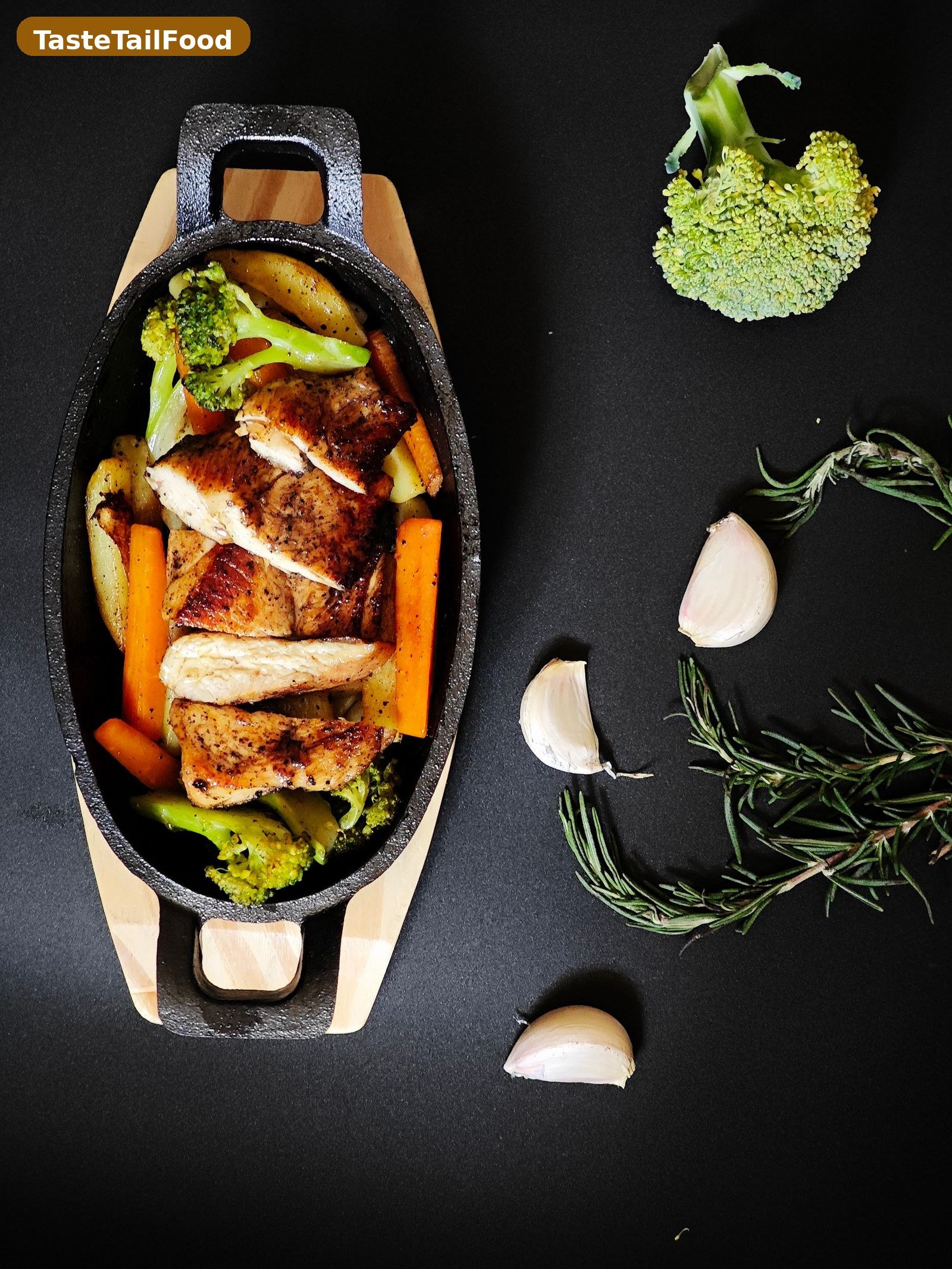
Take the pan off the heat and let it rest for five minutes. The sauce will thicken a little more as it sits, and the chicken will relax and get even juicier. Scatter the chopped parsley over the top, squeeze a lemon wedge over everything if you like a bit of brightness, and bring the whole pan to the table. It looks wonderful served straight from the skillet.
Tips for the Crispiest Skin and the Silkiest Sauce
A few small things make a big difference with this recipe, and most of them are easy to miss the first time.
First, dry skin. I mentioned it above, but it is worth repeating because it is the single biggest factor in whether the skin crisps or goes limp. Pat the thighs dry, then pat them again. If you have time, leave them uncovered in the fridge for an hour before cooking. The dry air in the fridge dries the skin out beautifully.
Second, do not crowd the pan. Two inches of space between the thighs is about right. If they are touching, steam gets trapped and the skin will not brown. Cook in batches if you need to — it adds five minutes and it is worth it.
Third, keep the cream sauce at a gentle simmer. Cream splits when it boils hard, and once it splits there is no fixing it. Low and slow is the rule. The same goes for the parmesan. Low heat, a little at a time, and stir until it disappears.
Fourth, taste the sauce before the chicken goes back in. This is your one chance to fix the seasoning properly. Add salt a pinch at a time, a squeeze of lemon if it tastes flat, or a little more mustard if you want a bit of tang. The sauce should taste slightly more seasoned than you think it needs to be, because the chicken will mellow it out.
And finally, do not skip the rest. Five minutes off the heat lets the juices settle back into the meat instead of running out onto the plate when you cut into it. It also gives the sauce time to reach its final thickness.
What to Serve With It
This sauce is too good to leave in the pan, so whatever you serve alongside should be something that can soak it up. Creamy mashed potatoes are the classic choice, and for good reason. The potatoes take on the garlic butter flavour and the whole plate comes together. If you want a lighter option, buttered rice works beautifully, and so does crusty bread — just a torn piece for mopping up the sauce.
For vegetables, something green and simple balances the richness. Roasted broccoli, green beans with a little garlic, or a plain side salad with a sharp vinaigrette all work. The acid in a vinaigrette cuts through the cream in a way that makes the whole meal feel lighter. Steamed asparagus is another good choice in spring, and roasted carrots bring a sweetness that goes well with the garlic.
If you are cooking for a crowd, this dish scales up easily. Double everything, use two pans for browning the chicken, and finish it all in one big oven-safe dish. It also makes a good Sunday dinner, since the hands-on time is short and the pan does most of the work. And if you are looking for another easy chicken dinner for a different night, our easy chicken dinner without an oven is a good next stop — it uses the same one-pan idea with a completely different flavour.
How to Store and Reheat Leftovers
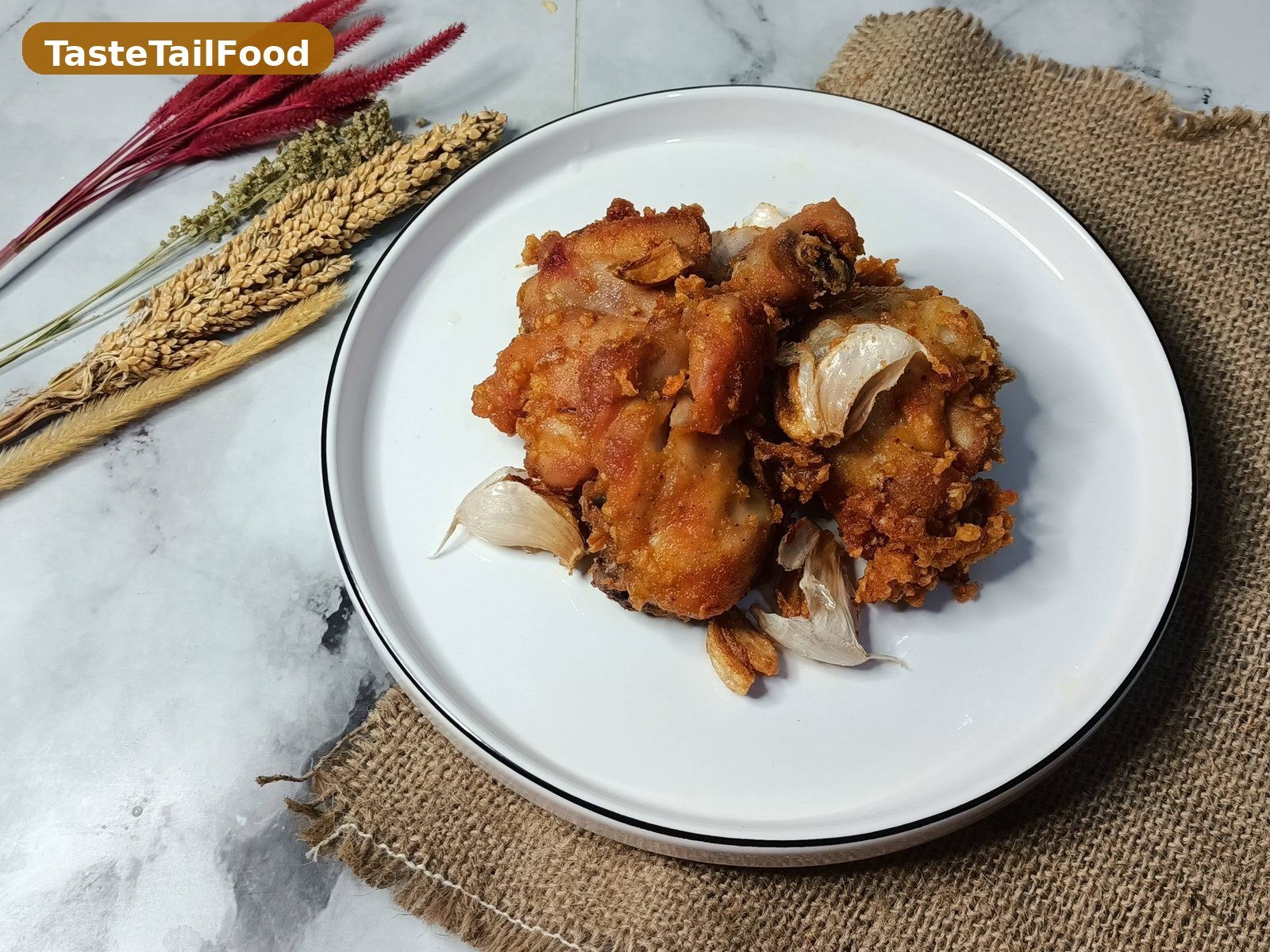
Leftovers keep well, which is good news because this recipe makes generous portions. Let the chicken cool completely, then store it in an airtight container with the sauce spooned over the top. It will keep in the fridge for three to four days. The skin will soften in the fridge, which is normal — it will never be as crisp as it was fresh from the pan, but the flavour will still be there.
To reheat, warm it gently in a covered skillet over low heat for about ten minutes, spooning the sauce over the chicken as it warms. Add a splash of cream or chicken broth if the sauce has thickened too much in the fridge. Avoid the microwave if you can. It heats unevenly and can make the sauce separate. If you must use it, go at half power in short bursts and stir the sauce between each one.
This dish also freezes surprisingly well. Pack the chicken and sauce together in a freezer-safe container and it will keep for up to three months. Thaw it overnight in the fridge and reheat it the same gentle way. The sauce may look a little grainy after freezing, but a good stir over low heat usually brings it back together.
Variations Worth Trying
Once you have made this recipe a couple of times, it is easy to make it your own. A handful of spinach wilted into the sauce at the end turns it into a complete one-pan meal. Sun-dried tomatoes, chopped small, add a sweet sharpness that works well with the parmesan. Mushrooms, sliced and cooked with the shallot, give the sauce an earthy depth that is hard to beat on a cold evening.
If you like heat, add a full teaspoon of chilli flakes or a diced jalapeño with the garlic. If you prefer things milder, leave the flakes out entirely — the dish does not need them. You can also swap the parmesan for pecorino, which is sharper and saltier, or use a little grated Gruyère for a nuttier flavour. Just keep the total amount about the same so the sauce stays balanced.
For a lighter version, use skinless boneless thighs and swap half the cream for chicken broth. The sauce will be thinner, but the flavour will still be there. And if you are out of heavy cream altogether, a spoonful of cream cheese whisked into the broth makes a decent substitute — it thickens the sauce and adds a gentle tang.
One more idea: this same sauce works beautifully with salmon fillets. Sear the salmon the same way, set it aside, make the sauce, and return the fish for the last few minutes of cooking. It is a completely different dinner from the same base, and it is worth trying on a night when you want fish instead of chicken.
If you want even more ideas for this cut, BBC Good Food has a good collection of chicken thigh recipes worth browsing.
Why This Recipe Works on a Busy Week Night
There are plenty of chicken recipes that taste good but take too long for a Tuesday. This one is different because the work is front-loaded and the cooking mostly takes care of itself. Ten minutes of prep, fifteen minutes of browning, ten minutes of simmering, and dinner is on the table. One pan means one thing to wash. And because everything cooks in the same pan, the flavours build on each other in a way that a recipe with three pots never manages.
It is also a recipe that welcomes company. It looks generous and a little impressive served from the pan, and nobody needs to know how simple it was. If you have guests coming and you want a main course that feels special without the stress, this is a strong choice. Pair it with mashed potatoes and a green vegetable, open a bottle of something you like, and let the pan do the talking.
If you are building a small collection of reliable chicken dinners, this one belongs next to the pantry-friendly recipes that save a busy evening. Our easy chicken dinner with pantry ingredients is another good one for nights when the fridge is nearly empty, and it uses the same idea of letting simple ingredients do the heavy lifting.
And if you ever want something lighter after a rich meal like this, a simple soup is a gentle way to reset the week. Our simple chicken soup with pantry ingredients is the one I make when someone in the house is feeling under the weather or when the weekend has been too indulgent.
Frequently Asked Questions
Can I use boneless chicken thighs instead?
Yes, boneless thighs work well and they cook a little faster. Reduce the searing time to about five minutes per side and check the temperature after five minutes in the sauce. You will lose the crispy skin, but the meat will still be juicy and the sauce will be just as good. If you use boneless thighs, tuck them into the sauce a little more, since there is no skin to protect.
Can I use chicken breast for this recipe?
You can, but you will need to be more careful. Chicken breast dries out quickly, so pound the breasts to an even thickness first and sear them for only four to five minutes per side. Finish them in the sauce for no more than five minutes, and check the temperature early. The sauce is forgiving, but overcooked breast is overcooked breast. Thighs are the better choice if you have them.
Why did my sauce split or look grainy?
The most common reason is heat that is too high. Cream and parmesan both need gentle heat. If the sauce boils hard after the cream goes in, it can split. If the parmesan goes in all at once over high heat, it can clump. Next time, keep the heat on low, add the cheese a small handful at a time, and stir until each addition melts before adding more. Pre-grated parmesan can also cause graininess, so freshly grated is worth the effort.
Can I make this ahead of time?
Yes, and it reheats well. Cook the chicken and the sauce completely, let it cool, and store it in the fridge for up to two days. Reheat it gently in a covered skillet over low heat, adding a splash of cream or broth to loosen the sauce. The skin will not be as crisp as it was fresh, but the flavour will be just as good. If the skin matters to you, you can crisp it again under the grill for two minutes — just watch it closely so it does not burn.
What can I use instead of heavy cream?
Half-and-half works, though the sauce will be thinner. Keep the heat low and do not let it boil. A good alternative is full-fat coconut milk, which gives a slightly different flavour but the same richness. Evaporated milk also works in a pinch. Avoid single cream or milk, which are too thin and can split. Whatever you use, the same rule applies: gentle heat, and add the cheese slowly.
Is this recipe gluten-free?
Yes, as written it is naturally gluten-free. There is no flour in the sauce — the cream and parmesan do the thickening. Just check the labels on your chicken broth and Dijon mustard, since a few brands add thickeners or flavourings that contain gluten. Serve it with rice or gluten-free bread and the whole meal stays gluten-free.
How do I know the chicken is cooked through?
The reliable way is a meat thermometer. Insert it into the thickest part of the thigh, close to the bone but not touching it, and look for 165°F (74°C). If you do not have a thermometer, cut into the thickest thigh and check that the juices run clear and the meat near the bone is no longer pink. When in doubt, give it another two or three minutes in the sauce — thighs are forgiving and a little extra time will not dry them out.
One Comment