One-Pan Lemon Garlic Chicken Thighs with Potatoes
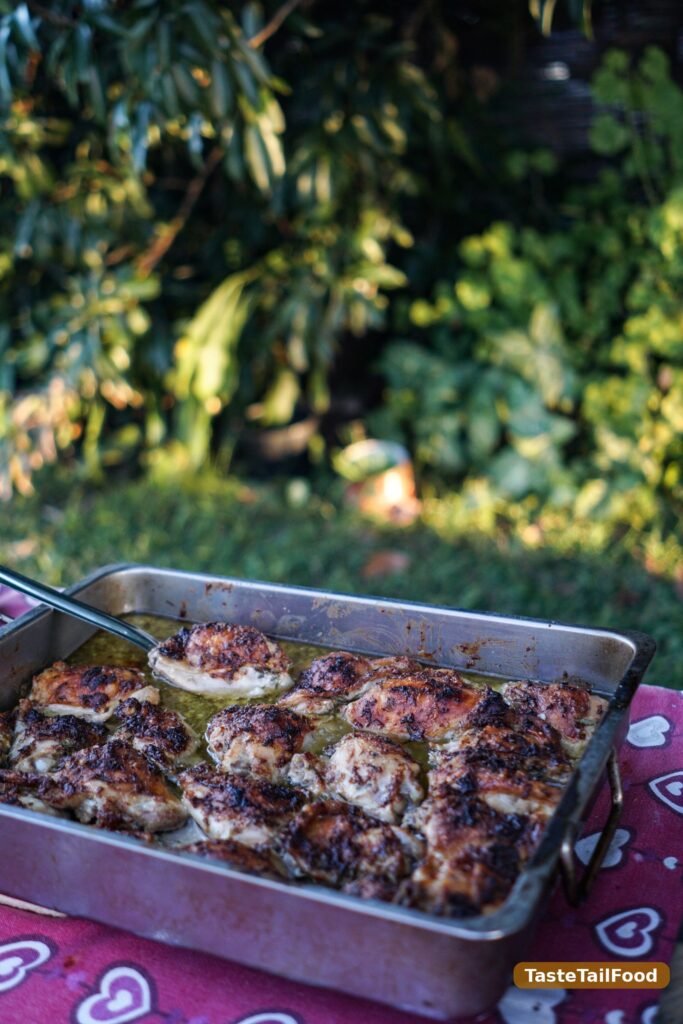
There are weeknights when dinner needs to happen fast, the fridge is not exactly full, and nobody in the house is in the mood for a pile of washing up. That is the night this one-pan lemon garlic chicken was made for. Everything goes into a single pan — the chicken, the potatoes, the garlic, the lemon — and the oven takes over while you get on with the rest of your evening. About forty-five minutes later you pull out a pan that looks like you tried far harder than you did: golden, crisp-skinned thighs sitting on potatoes that have gone soft inside and crunchy at the edges, all of it glistening with lemony pan juices.
I first put this together on a Tuesday that had gone sideways. I had chicken thighs, a bag of baby potatoes, and a lemon that was on its last legs, and I refused to make three separate dishes out of them. So I threw them all in one roasting pan with a frankly generous amount of garlic and hoped for the best. The potatoes cooked in the chicken juices, the lemon softened into something almost jammy, and the skin on the thighs went the colour of toasted bread. My family ate it in near silence, which in our house is the highest compliment a dinner can get, and it has been on regular rotation ever since.
What makes this dish work so well is that the potatoes are not an afterthought. They sit underneath the chicken, catching every drop of juice as it roasts, and by the time the chicken is done they have soaked up all that garlic and lemon flavour. The ones at the edges of the pan go properly crisp, while the ones tucked under the thighs stay soft and buttery. It is a small detail, but it is the difference between a plate of chicken with some potatoes next to it and a proper one-pan dinner where everything tastes like it belongs together.
Lemon and garlic are one of those pairings that never really goes wrong with chicken. The lemon keeps everything bright and stops the dish feeling heavy, and the garlic mellows as it roasts until it is sweet and soft enough to spread on the potatoes. A little thyme, a splash of stock, and a good glug of olive oil tie the whole thing together. Nothing here is fancy, nothing needs a special trip to the shops, and if you have made roast chicken even once before, you already know how to make this.
Why You’ll Love This Recipe
The first reason is the obvious one: one pan. One pan to cook in, one pan to wash, and no juggling three pots on the hob while the chicken gets cold. I love a complicated recipe as much as anyone on a slow Sunday, but on a normal weeknight, the fewer dishes the better. Everything roasts together, the flavours mingle in the pan, and dinner comes out looking like a proper spread rather than something thrown together in a hurry.
The second reason is how forgiving it is. Chicken thighs are the most patient cut of chicken there is. They stay juicy even if you leave them in the oven ten minutes longer than planned, and they do not punish you for opening the oven door to check on them. The potatoes are just as easygoing — if some are a little bigger than others, they still cook through, and the crispy bits at the edges are the pieces everyone fights over anyway. This is a genuinely beginner-friendly dinner, and it is also the one I make when I have friends coming over and want something that looks impressive without any last-minute stress.
Then there is the flavour. Roasting the lemon right in the pan changes it completely. The slices soften and caramelise at the edges, and their juice mixes with the chicken fat and the stock to make a thin, bright sauce that you spoon over everything at the table. It is not a heavy sauce, and it does not need thickening or fussing over — it is just what is already in the pan, and it is exactly right. If you like this kind of hands-off chicken dinner, you will also enjoy these creamy garlic butter chicken thighs, which take the same comfort in a richer, saucier direction.
Finally, it scales beautifully. Two thighs and a handful of potatoes for a quiet dinner for two, or a full pan for six with a salad on the side — the method stays exactly the same, you just use a bigger pan. Leftovers are brilliant too, cold in a lunchbox or reheated the next day with the potatoes crisped up again in a hot oven. It is the kind of recipe that earns its place in the regular rotation not because it is flashy, but because it simply works, every single time.
Ingredients You’ll Need
- 8 bone-in, skin-on chicken thighs (about 1.2 kg / 2.5 lbs)
- 700 g (1.5 lbs) baby potatoes, halved (quartered if large)
- 1 whole head of garlic, cloves separated and peeled, plus 4 cloves finely minced
- 2 lemons, 1 sliced into thin rounds, 1 juiced
- 3 tablespoons olive oil
- 120 ml (1/2 cup) chicken stock
- 1 tablespoon Dijon mustard
- 1 teaspoon dried thyme (or 1 tablespoon fresh thyme leaves)
- 1 teaspoon smoked paprika
- 1 teaspoon fine sea salt
- 1/2 teaspoon black pepper, freshly ground
- 1/2 teaspoon chilli flakes (optional)
- 2 tablespoons fresh parsley, chopped, for serving
A quick word on the chicken: bone-in, skin-on thighs give you the best result here, because the skin protects the meat and crisps up beautifully while the bone keeps everything juicy. Boneless thighs work too, but they cook faster, so start checking them after about twenty-five minutes. For the potatoes, baby potatoes are ideal because their skins go wonderfully crisp, but you can use larger potatoes cut into even chunks — just keep the pieces roughly the same size so they cook at the same rate. And use a lemon you would be happy to eat, because the roasted slices are part of the dish, not just decoration.
How to Make One-Pan Lemon Garlic Chicken Thighs with Potatoes
Start by heating the oven to 200°C (400°F) and letting it get properly hot while you prepare everything. A hot oven is what gives you crisp skin and golden potatoes, so do not rush this part. Take the chicken thighs out of the fridge and pat them very dry with paper towels, top and bottom. Dry skin is the whole secret to crisp skin — any moisture left on the surface will steam in the oven instead of browning, and nobody wants pale, soft skin on a roast chicken thigh. While the oven heats, toss the halved potatoes in a large roasting pan with a tablespoon of the olive oil, half the salt, and a good grind of pepper, and spread them out in a sin/gle layer.
Now make the lemon garlic mixture that flavours everything. In a small bowl, whisk together the remaining olive oil, the lemon juice, the minced garlic, the Dijon mustard, the thyme, the smoked paprika, the remaining salt, the pepper, and the chilli flakes if you are using them. It should smell sharp and garlicky and bright all at once. Rub this mixture all over the chicken thighs, getting it under the skin where you can — that is where the flavour really works its way into the meat — and then rub whatever is left over the potatoes in the pan. Tuck the whole garlic cloves and the lemon slices in among the potatoes, nestle the thighs skin-side up on top, and pour the chicken stock into the corner of the pan, not over the chicken, so the skin stays dry.
Slide the pan into the middle of the hot oven and roast for forty to forty-five minutes. You are looking for thighs with deep golden, crisp skin and potatoes that are tender all the way through when you poke them with a knife. The safest check is a meat thermometer in the thickest part of a thigh, away from the bone — you want 74°C (165°F). If the skin is browning faster than the potatoes are cooking, just lay a loose sheet of foil over the top for the last ten minutes. Halfway through, I like to spoon some of the pan juices over the potatoes and give the pan a gentle shake so nothing sticks, but honestly, if you forget, it still turns out fine.
When the chicken is done, take the pan out of the oven and let it rest for five to ten minutes before serving. This is the hardest part, because the kitchen smells incredible and everyone is hovering, but the rest lets the juices settle back into the meat instead of running straight out onto the plate. While it rests, scatter the chopped parsley over the top and squeeze over a little extra lemon if you like things bright. Serve it straight from the pan at the table if you can — it looks wonderful, and people can help themselves to the crispy potatoes at the edges, which are always the first to go. For another easy potato side to go with roast chicken nights, these crispy air fryer potatoes without flour are a brilliant backup when the oven is busy.
Tips for Perfect One-Pan Lemon Garlic Chicken
Dry the skin, and then dry it again. I know I keep saying it, but it is the single biggest difference between crisp skin and soggy skin. Paper towels, a few seconds per thigh, and you are done. The second tip is space: do not crowd the pan. If the thighs are packed in shoulder to shoulder, they will steam instead of roast, and the potatoes will go soft instead of crisp. Use the biggest roasting pan you own, or split everything across two pans if you have to. It is better to wash an extra pan than to eat a soggy dinner.
Use a thermometer rather than guessing. Chicken thighs are forgiving, but the only way to be certain they are cooked through is to check the internal temperature, and the BBC Good Food roast chicken guide is a handy reference for oven-roasting times and temperatures in general. A quick-read thermometer is one of the most useful tools you can own if you cook chicken often, and it takes all the anxiety out of roast dinners. Also, taste your stock before you pour it in — if it is very salty, hold back a little of the added salt.
Do not pour the stock over the chicken. Pour it into the corner of the pan so it pools underneath the potatoes, where it steams them gently from below while the tops crisp. And if your lemons are very large, one sliced lemon in the pan is plenty — too much lemon can tip the dish from bright into sour, and you can always add a fresh squeeze at the table. Finally, let the pan rest before serving. Those five to ten minutes are not wasted time; they are what make the chicken juicy and the potatoes easier to serve without falling apart.
Variations to Try
Once you have made this once, it is easy to make it your own. For a Mediterranean version, add a handful of cherry tomatoes, a sliced red onion, and a scattering of olives to the pan for the last twenty minutes, and swap the thyme for oregano. The tomatoes burst in the heat and their juices mix with the lemon to make an even better pan sauce. For a spicier version, add a teaspoon of chilli flakes and a pinch of cayenne to the rub, and finish with a drizzle of honey over the chicken for the last ten minutes — the sweet heat against the lemon is genuinely lovely.
If you want to stretch the meal further, add carrots, parsnips, or sweet potato chunks to the pan alongside the potatoes. Cut them a little smaller than the potatoes so they cook in the same time, and toss them in the oil and seasoning the same way. Green beans can go in for the last fifteen minutes, and they come out tender and garlicky. You can also swap the chicken thighs for drumsticks, which work beautifully with the same timings, or use a spatchcocked whole chicken and add about fifteen minutes to the roasting time. For a smaller household, this scales down neatly — the method is the same as an easy one-pan chicken dinner for two, just with lemon, garlic, and potatoes leading the way.
In summer, I sometimes finish the dish on the barbecue instead of in the oven, roasting the potatoes in a foil parcel and grilling the thighs over medium heat. The smoky edge it gives the lemon is wonderful. And if you have leftover chicken from this pan, it is brilliant shredded into a pasta the next day — something like this one-pan lemon herb chicken orzo is a natural home for it, since the flavours already match.
Serving Ideas
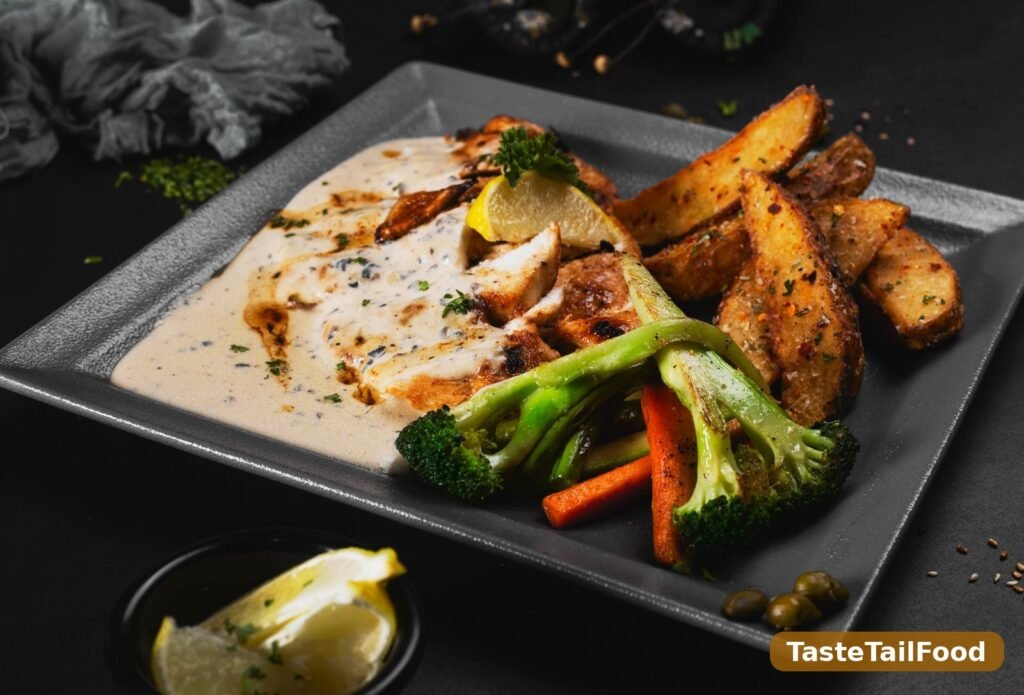
The honest answer is that this dish barely needs anything else, because the potatoes are already in the pan and the sauce is already made. But a simple green salad with a light dressing is the perfect fresh contrast to the rich, garlicky chicken, and some crusty bread for mopping up the pan juices is never a bad idea. In our house, the pan goes straight onto the table in the middle, everyone helps themselves, and the crispy potatoes at the edges disappear first, every time.
If you are feeding a crowd, add a big bowl of steamed green beans with a little butter and lemon zest, or some roasted carrots with honey. A simple cucumber and tomato salad works beautifully in summer, and in winter I like to serve it with buttered cabbage or sautéed spinach. For a more complete spread, a grain salad — something like couscous with herbs and toasted almonds — soaks up the pan juices wonderfully and makes the meal feel a little more special without any extra cooking.
For kids, the thighs go down a treat with the potatoes and a little extra lemon squeezed over the top, and the roasted garlic cloves, soft and sweet by now, are surprisingly popular once they try one. Put the lemon wedges and the parsley on the table rather than on the plates, so everyone can season their own serving. And do not forget a spoon for the pan juices — they are the best part of the whole dish, and it would be a shame to leave them in the pan.
Storage and Reheating
Leftovers keep really well, which is one of the reasons I often make a full pan even when there are only three of us eating. Let everything cool completely, then store the chicken and potatoes in an airtight container in the fridge for up to four days. Keep any leftover pan juices in a small separate container and spoon them over the chicken when you reheat it — they keep the meat moist and add back a lot of flavour that the fridge tends to dull.
To reheat, the oven is your best friend. Spread the chicken and potatoes out on a baking tray, add a splash of stock or water and a spoonful of the saved pan juices, cover loosely with foil, and warm in a 180°C (350°F) oven for fifteen to twenty minutes until heated through. Take the foil off for the last five minutes so the skin and the potatoes crisp up again. The microwave works in a pinch — about two minutes on medium power — but the skin will soften, so the oven is worth the extra few minutes when you have them.
For longer storage, the chicken freezes beautifully. Wrap each cooled thigh individually, pop them into a freezer bag with the air pressed out, and label with the date. They will keep for up to three months. Thaw overnight in the fridge before reheating, and never refreeze chicken once it has been thawed. The potatoes do not freeze as well — they go a little grainy — so I usually eat those up fresh and freeze just the chicken, then make fresh potatoes when I reheat it.
Frequently Asked Questions
Can I use boneless chicken thighs for this recipe?
Yes, absolutely, and they work really well. Boneless thighs cook faster, usually in about twenty-five to thirty minutes at the same temperature, so start checking them earlier. The seasoning sticks nicely to the meat, and because thighs have more fat than breasts, they stay juicy even without the bone. Just be careful not to overcook them — use a thermometer and pull them out as soon as they reach 74°C (165°F) in the thickest part.
What kind of potatoes work best in this one-pan chicken?
Baby potatoes are my first choice, because their skins crisp up beautifully and they hold their shape in the pan. But any waxy potato works well — red potatoes, new potatoes, or fingerlings are all good. Floury potatoes like russets will work too, but they can break apart a little in the pan juices, so cut them into bigger chunks if you use them. Whatever you choose, keep the pieces roughly the same size so they cook evenly.
Do I need to marinate the chicken first?
No marinating is required, which is part of what makes this recipe so convenient. The lemon garlic mixture goes straight onto the chicken and into the oven. That said, if you do have time, letting the seasoned thighs sit in the fridge for a few hours — or even overnight — will deepen the flavour a little. Just bring them back to room temperature for about twenty minutes before cooking so they roast evenly. It is a nice bonus, not a necessity.
How do I get the chicken skin really crispy?
Three things matter most: dry skin, a hot oven, and space in the pan. Pat the thighs completely dry with paper towels, make sure your oven is fully preheated to 200°C (400°F), and leave gaps between the pieces so hot air can circulate. Avoid covering the pan with foil during cooking, and if the skin still needs a little more colour at the end, finish the thighs under the grill for two to three minutes, watching them closely. The BBC Good Food chicken recipes collection has plenty more ideas for getting the best out of roast chicken if you want to explore further.
Can I add other vegetables to the pan?
Yes, and you should — this recipe is very forgiving. Carrots, parsnips, sweet potatoes, red onion wedges, and cherry tomatoes all roast beautifully alongside the chicken. Add root vegetables at the start with the potatoes, and add softer vegetables like tomatoes or green beans for the last fifteen to twenty minutes so they do not overcook. Just do not overcrowd the pan, or everything will steam instead of roast.
What should I serve with lemon garlic chicken thighs and potatoes?
The potatoes are already in the pan, so you really only need something fresh on the side. A simple green salad, steamed green beans, or roasted carrots are all lovely. Crusty bread is always welcome for the pan juices, and a light cucumber and tomato salad is perfect in summer. A squeeze of fresh lemon over the top just before serving ties everything together, whatever you choose to put alongside it.